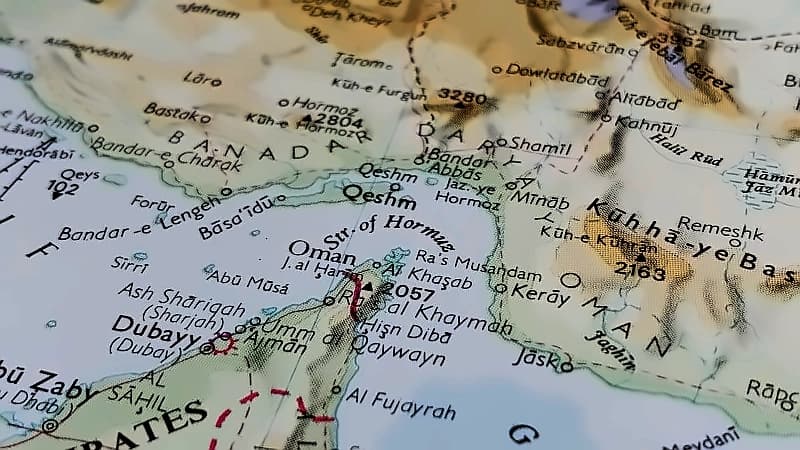
Iran's economy is experiencing unprecedented challenges as the war and US naval blockade take their toll. According to reports from Associated Press, the International Monetary Fund has predicted the Iranian economy will shrink by about 6 percentage points in the next year. The economic cost has been substantial, with annual inflation reaching 53.7% while food inflation breached 115% compared to the same period last year. The Iranian rial has lost over half its value in the past year, falling to a record low of 1.9 million to the dollar at the end of last month. As reported by Associated Press, Iranian economist Hadi Kahalzadeh from Brandeis University noted that the economic woes helped fuel massive protests that spread across the country in January. The closure of the strait has hiked energy prices across the world, but in Iran, the war has marked another step in the ruin of a once large and prosperous middle class.
Iranians are facing severe price increases across essential goods. As reported by Associated Press, chicken and lamb prices increased 45%, rice rose 31%, and eggs surged 60% since the war began. Taxi driver Hossein Farmani noted that tea prices have risen over 50% since the conflict started. According to Associated Press, an Associated Press tour of grocery stores in Tehran found large jumps from February, before the war began. Ali Asghar Nahardani, 32, said the ride-hailing app he works for had not paid him in over a month and was forced to sell goods on the street to cover living expenses. The economic pressures have forced many Iranians to adapt, with some turning to street vending and other informal income sources. Mohammad Deljoo, 73, said he was supporting his family of two children on a daily income of $4, stating there was no shortage of goods but blaming the problem on "price gouging."
The combination of state repression and the US Israeli bombing campaign has deepened Iran's already profound mental health crisis. According to the Iranian Red Crescent, tens of thousands of calls to its helplines have been reported since the start of the conflict. With attacks on 18 medical facilities reported by the World Health Organization, an already under-resourced system is struggling to deal with a wave of psychological problems. A medic at one Tehran hospital described the anguish of people suffering with conflict related trauma, stating that "As soon as you ask 'how are you feeling?' the patient starts crying." The healthcare system's capacity is severely strained, with only one psychologist available for a population of 26,000 people. Shirin, a political activist, is showing signs of post-traumatic stress disorder and her left hand is no longer fully functional due to the psychological pressure from war-related trauma.
The economic crisis is particularly impacting Iran's middle class, which has already shrunk to around 55% of the population by 2019. As reported by Associated Press, the war will likely push several million Iranians below the poverty line, according to a report published by the U.N.'s development agency in late March. A physical trainer in Tehran described the economic crisis as a mental health crisis, stating that many clients could no longer afford her services and were discussing ways to handle depression. According to Associated Press, the trainer said she had severely cut back on groceries, "The last time I bought meat was about two months ago." A resident of Karaj noted that insurance company sales for car and home policies have plummeted as families are being dragged into poverty. The few clients she has left have turned to discussing ways to handle signs of depression.
Iranian leaders are attempting to address the economic challenges while maintaining support for the war effort. According to Associated Press, new supreme leader Mojtaba Khamenei described the current phase as an 'economic battlefield' and urged employers to avoid layoffs. Parliament speaker Mohammad Bagher Qalibaf urged Iranians to 'be frugal' in their spending and emphasized that government administrators and the public have a duty to help each other. The US blockade has restricted Iran's critical Gulf trade, with over 90% of Iranian trade flowing through southern ports. As reported by Associated Press, Khamenei is believed to have been wounded early in the war by Israeli strikes and has yet to appear in public. Farmani, the taxi driver, said he did not want to accept what he called a "humiliating" peace with the US and Israel, stating that "A country that has sacrificed so many martyrs and has so many people willing to give their lives cannot simply let others from across the world dictate terms to us."