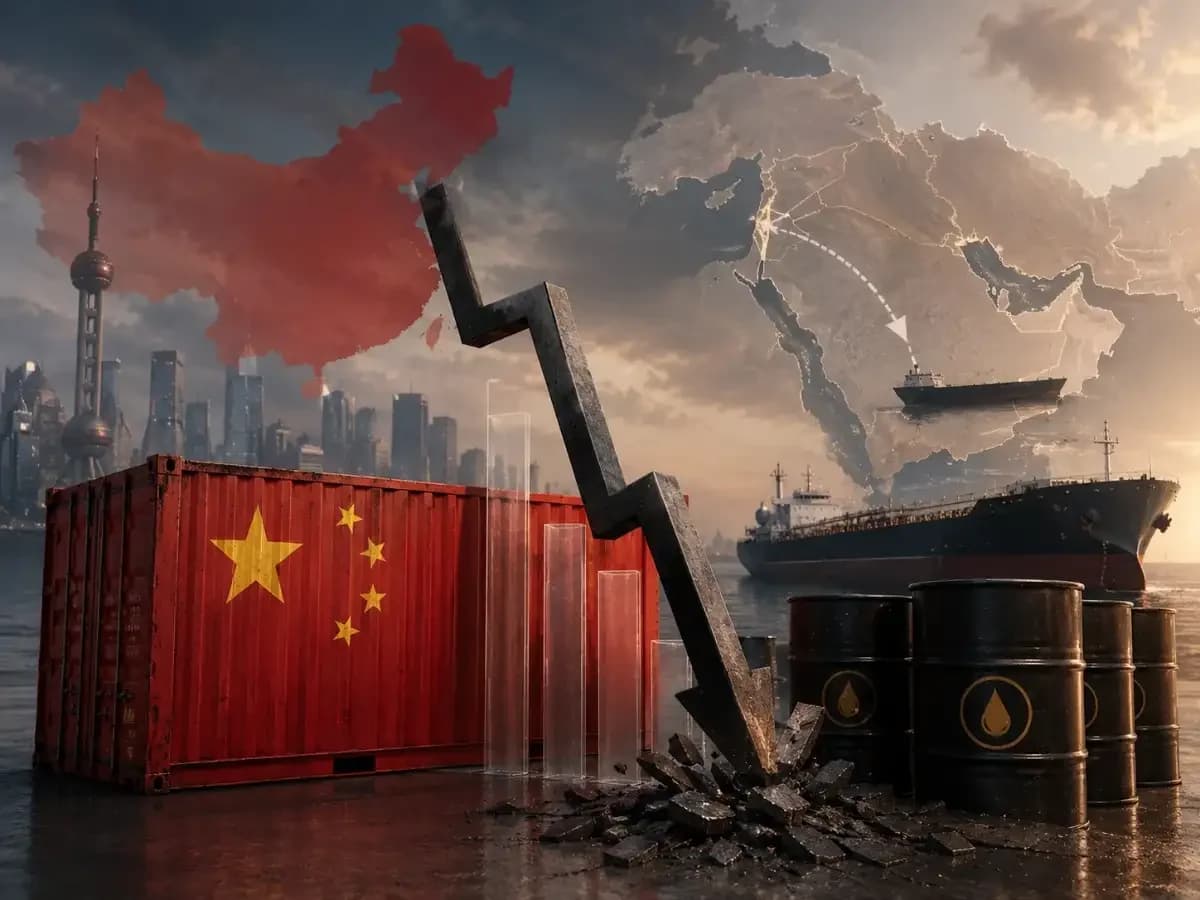
Asia's energy-starved nations are experiencing severe economic disruption as the Iran conflict continues to disrupt energy supplies through the Strait of Hormuz. According to reports from Bloomberg Economics, nearly 60% of the land area in the region experienced abnormal declines in nighttime radiance since the conflict began, with the ratio dropping to 54% after a June ceasefire. The crisis is particularly severe in developing countries, with Bangladesh emerging as the hardest hit with over 70% of its land area dimming as of May compared to a year earlier. Other affected nations include Myanmar, Pakistan, China, India and Cambodia, which saw widespread declines across much of their territory.
The energy crisis is creating significant economic disruption across multiple sectors. As reported by Bloomberg Economics, the International Energy Agency estimates Southeast Asia's energy import bill will roughly double this year to about $160 billion as countries continue paying well above pre-war prices for fuel. Cambodian business owner Vuth Dara exemplifies the impact, having laid off two of his five workers and reduced daily sales from 50 bags to 20 bags due to soaring fuel costs. The Asian Development Bank cut its GDP growth forecast for developing Asia and the Pacific to 4.9% from 5.1% this year, while raising the inflation outlook to 4.3%, warning that oil may stay well above pre-war levels through 2027. Recent developments show Pakistan raising petrol prices to $1.21 and diesel to $1.40 this week, creating additional pressure on economies without strategic fuel reserves.
Governments across the region are responding with emergency measures and strategic partnerships to address the energy crisis. According to Bloomberg reports, Philippine President Ferdinand Marcos Jr. discussed energy security with Vladimir Putin during a June summit in Kazan, while Indonesia and Thailand have sought deeper energy ties with Moscow. Cambodia recently broke ground on a Chinese-backed, nearly $1 billion hydropower project, and neighboring Laos is expanding electricity links with Beijing. Cambodia's Minister of Mines and Energy Keo Rottanak stated that the country's growing use of renewables has helped blunt the fiscal impact from absorbing higher prices due to the war. The crisis is accelerating regional energy diversification efforts, with India shifting its oil and LNG purchasing patterns and Russia still accounting for around 50% or more of oil purchases on a monthly basis, while newer players like Venezuela enter the top three sources since April.
The energy crisis is particularly affecting tourism-dependent regions and industrial operations. On the Philippine island of Malapascua, where electricity comes from diesel generators, dive resort owner Matt Reed reports that fuel costs have doubled while bookings have fallen about 25%, forcing him to raise surcharges and consider cutting costs. In Bangladesh, the conflict has added an estimated $2.5 billion to Bangladesh's energy import bill, forcing the government to buy spot LNG cargoes at nearly three times benchmark prices. Construction work has halted on new factories and production activity stalled in existing ones, with villages absorbing the worst of Bangladesh's 300-megawatt electricity shortfall. The crisis is creating near-daily frequency of protests in Indonesia since mid-June, with student activists launching protests over problematic government spending, while transport workers in the Philippines and Thailand staged strikes against rising fuel costs in March.
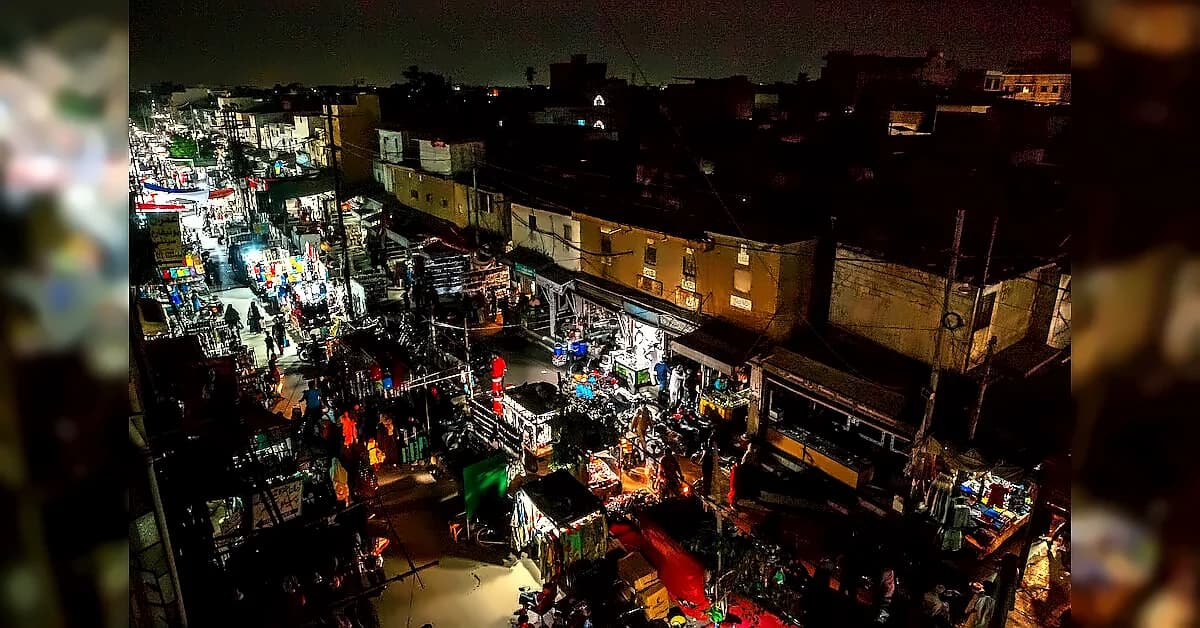
The Asian Development Bank's Matteo Lanzafame warns of potential lasting economic damage, stating there is a 'real possibility' parts of the Asian economy will suffer lasting scars similar to those left by the pandemic. As reported by Bloomberg Economics, the strain is already visible in Bangladesh where the conflict has forced the government to buy spot LNG cargoes at nearly three times benchmark prices, with construction work halted and production activity stalled in industrial centers. The war has become a top agenda item during recent gatherings of Southeast Asian nations, with diplomats raising the matter in most meetings, highlighting the regional significance of the energy supply disruption. Looking ahead to 2027 and beyond, countries are actively trying to unwind their vulnerabilities through diversified imports and alternative infrastructure projects, with more than half of the oil typically transiting through the Strait expected to go through alternative infrastructures by 2028.