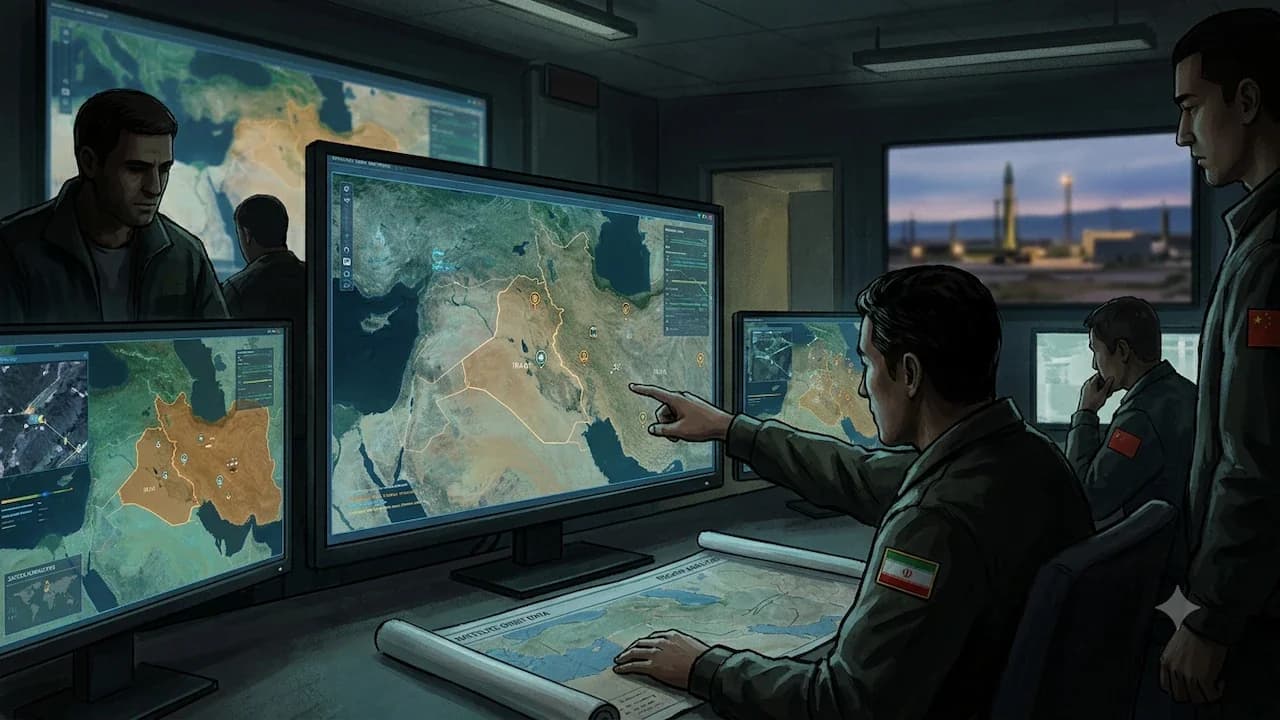
Iran obtained high-resolution satellite imagery of a US military base in Jordan from Chinese sources before launching a missile attack that killed three American servicemen in July, according to The Wall Street Journal. As reported by US officials familiar with the matter, Washington has connected the high-resolution satellite imagery of Muwaffaq Salti Air Base to Iran's July 17 ballistic missile attack, marking the clearest evidence to date that Chinese support for Iran has had lethal consequences for US forces. US officials told the WSJ that Iran obtained the imagery both before and after the attack, though they did not identify the Chinese companies involved. The officials described the finding as the clearest evidence to date that Chinese support for Iran has had deadly consequences for American forces, marking a significant escalation in the conflict. US officials have grown increasingly frustrated over what they describe as Beijing's refusal to address repeated warnings that Chinese companies have been supplying Iran with satellite imagery that could be used to target American personnel and military assets in the Middle East.
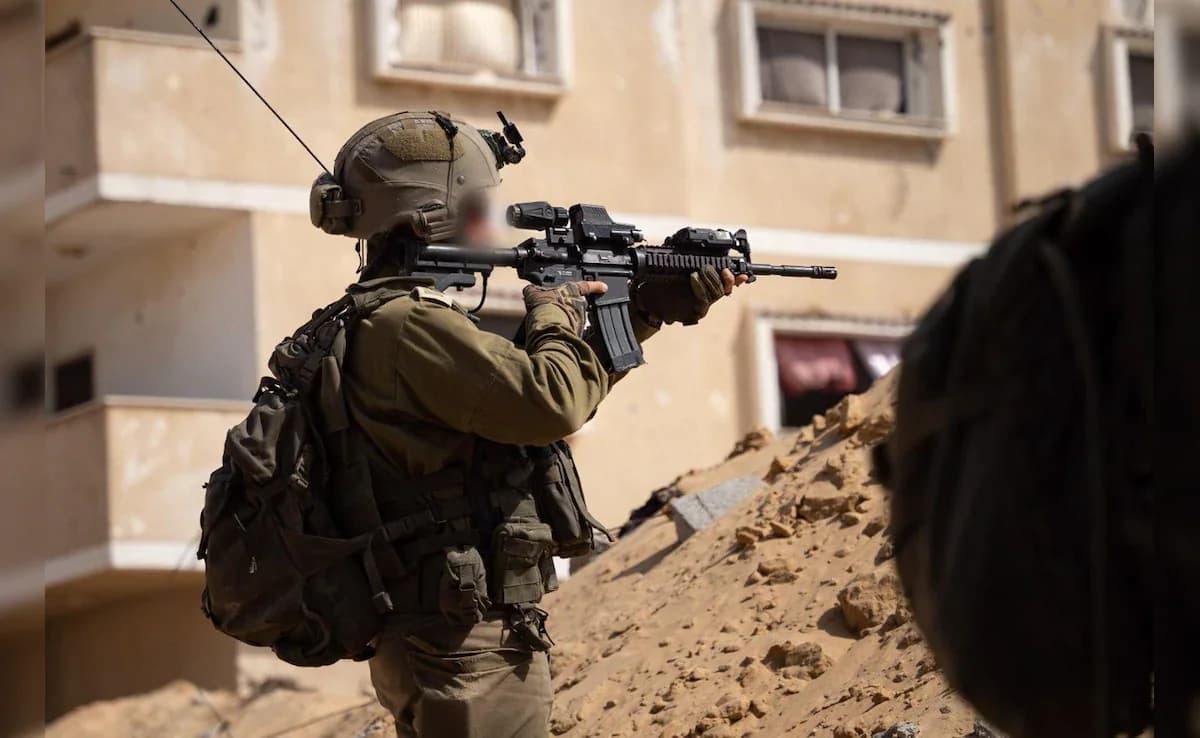
Iranian ballistic missiles struck a housing area at the base where US troops were sleeping, killing three soldiers and injuring four others who were evacuated for treatment. According to the Wall Street Journal, the attack was one of three missile strikes on the base within a 24-hour period and marked the first American combat deaths since an April ceasefire. The victims included Army Sgt. Angel S. Rampersad, 28, of Ozone Park, New York; First Lt. Tyler James Feehan, 25, of Hawaii; and Pfc. Isabella Gonzales, 19, of Texas. Iranian officials released high-resolution images of damage to three sections of the base within days of the attack, which were more detailed than lower-resolution commercial satellite imagery reviewed by the newspaper, showing damage to more than 20 structures. US officials also told the Journal that Iran targeted manned and unmanned aircraft stationed at the base, representing a significant escalation in the conflict. The deaths were the first U.S. military fatalities since the April ceasefire and underscored the difficulty of protecting American personnel even at a heavily defended installation.
The disclosure comes ahead of a planned September 24 meeting between US President Donald Trump and Chinese President Xi Jinping. As reported by the Wall Street Journal, US officials said senior American officials had raised the imagery findings with their Chinese counterparts, who demanded evidence and refused to acknowledge that Chinese companies may be helping Iran when senior US officials brought up the satellite imagery linked to the July 17 attack. A spokesperson for the Chinese Embassy in Washington accused unnamed parties of 'maliciously linking and smearing other countries', according to the report. China's Foreign Ministry accused 'certain parties' of attempting to drag Beijing into the conflict, while the Chinese Embassy in Washington did not respond to the Journal's request for comment. A White House official told the WSJ that no outside assistance had improved Iran's ability to strike US targets, without directly addressing the satellite imagery claims. Days after the July 17 attack, Secretary of State Marco Rubio met Chinese Foreign Minister Wang Yi, and when asked whether China was supplying Iran with intelligence for targeting purposes, Rubio declined to answer directly, saying 'nothing China did altered in any way the course of the conflict'.
The satellite imagery was likely only one of several intelligence sources used by Iran to improve its targeting, according to analysts and former officials cited by the Wall Street Journal. These reportedly included Iranian satellites, human intelligence and Russian support. US officials said Iran's targeting accuracy appeared to improve over the summer, with earlier US strikes on Iranian radar and satellite systems having weakened Tehran's battlefield awareness, causing Iranian missiles to frequently miss significant military targets. Jim Lamson, a former CIA analyst specialising in Iranian military affairs and weapons, explained that high-resolution imagery could help Iran identify changes at a military facility and select 'the most impactful targets at the right time'. Such imagery could also allow Tehran to assess the damage caused by an attack and determine where it might strike again. The Chinese imagery was likely only one part of the intelligence picture available to Tehran, with Iran's military also relying on its own satellites and human intelligence networks, while receiving intelligence and imagery from Russia. Analysts and former officials cautioned that imagery from Chinese sources was likely only one part of the intelligence picture available to Tehran.
The Trump administration had already sanctioned three Chinese companies, MizarVision, Earth Eye and Chang Guang, in May over allegations that they provided or published satellite imagery that could be used by Iran against US forces. According to the Wall Street Journal, the State Department had also accused Chang Guang of supplying imagery that supported attacks by Iran-backed Houthi militants in Yemen. The administration has briefed congressional intelligence committees in recent weeks on alleged Chinese and Russian support for Iran. The revelations come at a particularly sensitive moment in US-China relations, as Trump has told his team that maintaining a good relationship with China is a top priority, according to the Journal. Senior administration officials have consequently sought to avoid public confrontations with Beijing that could overshadow preparations for the September 24 summit. The dispute nevertheless adds a new security dimension to the Trump-Xi meeting, as Washington weighs its desire to preserve ties with Beijing against mounting concerns that Chinese technology and commercial services may be strengthening Iran's ability to identify and strike American targets in the Middle East.