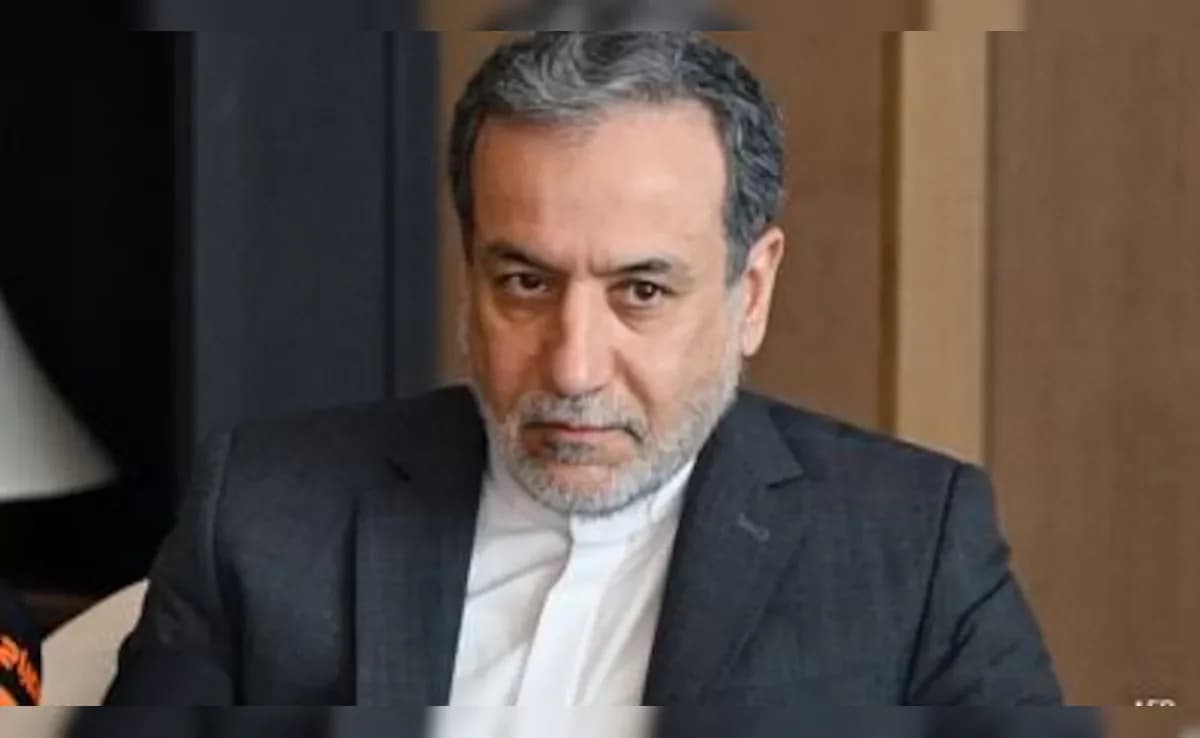
Iran has accused the UAE of blocking BRICS consensus on the West Asia war during recent diplomatic talks hosted by External Affairs Minister S. Jaishankar in New Delhi. According to Deccan Herald, this development has cast a shadow over the BRICS foreign ministers' summit, with Iran and the UAE diplomacy in focus as tensions escalate. The accusations come as Modi prepares for his Abu Dhabi visit amid rising regional tensions, highlighting the complex diplomatic challenges facing the BRICS group.
Iran's deputy foreign minister for legal and international affairs, Kazem Gharibabadi, has emphasized that Iran remains committed to several core principles for resolving the ongoing conflict. As reported by X, Gharibabadi stated that "True peace cannot be built with a literature of humiliation, threats, and coercive score-settling." Iran's core principles include a permanent end to the war, preventing its recurrence, lifting sanctions and blockades, compensation for damages, and respect for Iran's rights. The deputy foreign minister outlined these commitments during preparatory meetings ahead of the BRICS foreign ministers' summit in New Delhi.
Iran's participation in BRICS represents a strategic choice aimed at strengthening genuine multilateralism, expanding equal cooperation, and helping to shape a fairer order in international relations. According to reports from NDTV Profit, Gharibabadi is currently in New Delhi for preparatory meetings ahead of the BRICS foreign ministers' summit, where he outlined Iran's commitment to the group's objectives. As reported by X, Gharibabadi stated that "the future path of the world passes through cooperation, justice and genuine multilateralism."
Gharibabadi stated that BRICS will play its historical role more fully when it becomes a platform for equal cooperation, mutual respect, independence in decision-making, and the defence of nations' rights against monopoly, sanctions and coercive policies. As reported by NDTV Profit, he emphasized that opposing US unilateral coercive measures and their 'illegal, anti-development effects' is integral to defending economic justice and the right of nations to develop. The deputy foreign minister highlighted Iran's geopolitical, energy, transit, scientific, and human capacities as resources that can contribute effectively to BRICS' agenda for balanced development, economic security, regional connectivity and strengthening the voice of independent nations.

In a significant development, Gharibabadi confirmed reports that Iran plans to charge a "service fee" for ships travelling through the Strait of Hormuz. According to X, he stated that the fees would likely cover navigation support and rescue operations, with Iran not permitting all ships to pass freely through the strait. Eleven Indian vessels have already been allowed passage, with more approvals under consideration. Gharibabadi emphasized that charges for transit through Hormuz would be imposed according to "transparency and international standards." Separately, Iranian military spokesperson Mohammad Akraminia also confirmed that Iran would not allow the transport of US weapons through the Strait of Hormuz into regional military bases.