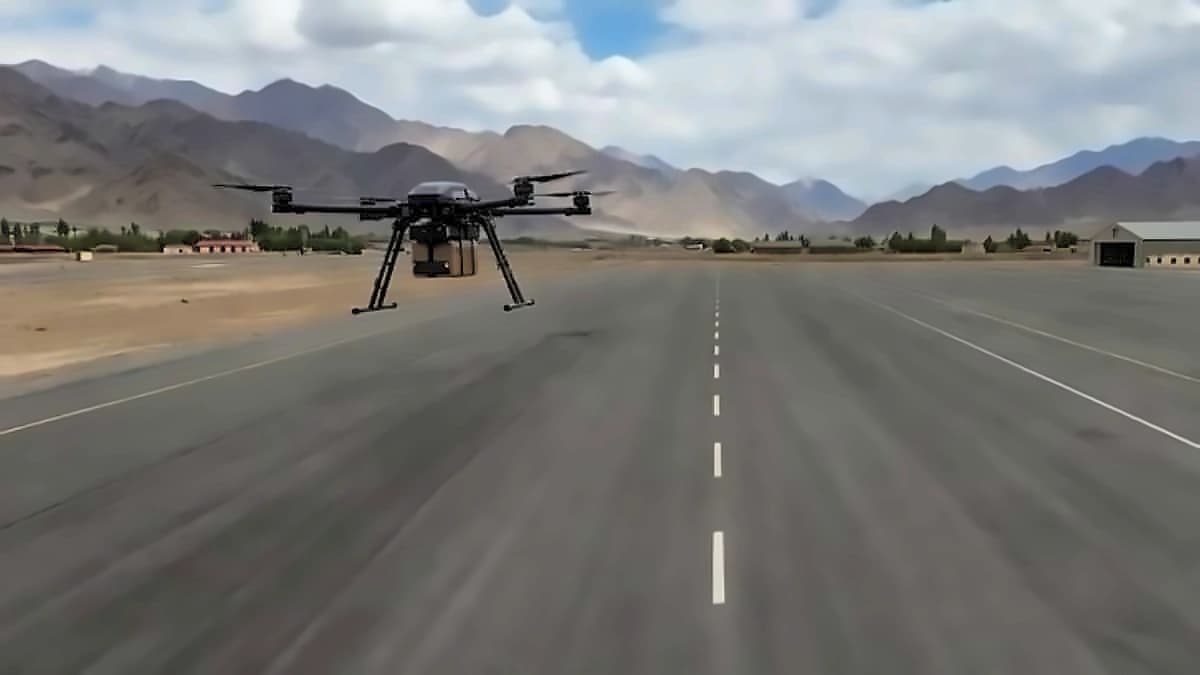
Iran has started its drone production and is rebuilding military infrastructure degraded by United States-Israeli strikes much faster than expected, according to a CNN report citing four sources familiar with US intelligence assessments. US intelligence assessments indicate Iran has resumed manufacturing some military systems during the six-week ceasefire that began in April. The sources told CNN that 'The Iranians have exceeded every timeline the security committee had for reconstruction', with one official stating that the rebuilding effort was progressing 'much faster than estimated'. This development comes after months of heightened confrontation involving US and Israeli strikes targeting Iranian military infrastructure, missile facilities and drone production networks during the 2026 regional conflict.
While restarting production of different components may vary, estimates indicate that Iran could fully reconstitute its drone attack capability in six months, said a US official cited in CNN. The intelligence officials now believe Iran has managed to revive parts of its drone production network, representing a significant acceleration from earlier assessments that suggested Iran would take years to fully restore some capabilities. This development comes after weeks of intense fighting between Iran, Israel and the US, during which Iranian military sites, missile facilities and drone infrastructure were targeted in coordinated strikes. The restoration of military capabilities, including the replacement of missile sites, launchers and production capacity for key weapons systems destroyed during the current conflict, means Iran remains a significant threat to regional allies should President Donald Trump resume the bombing campaign.
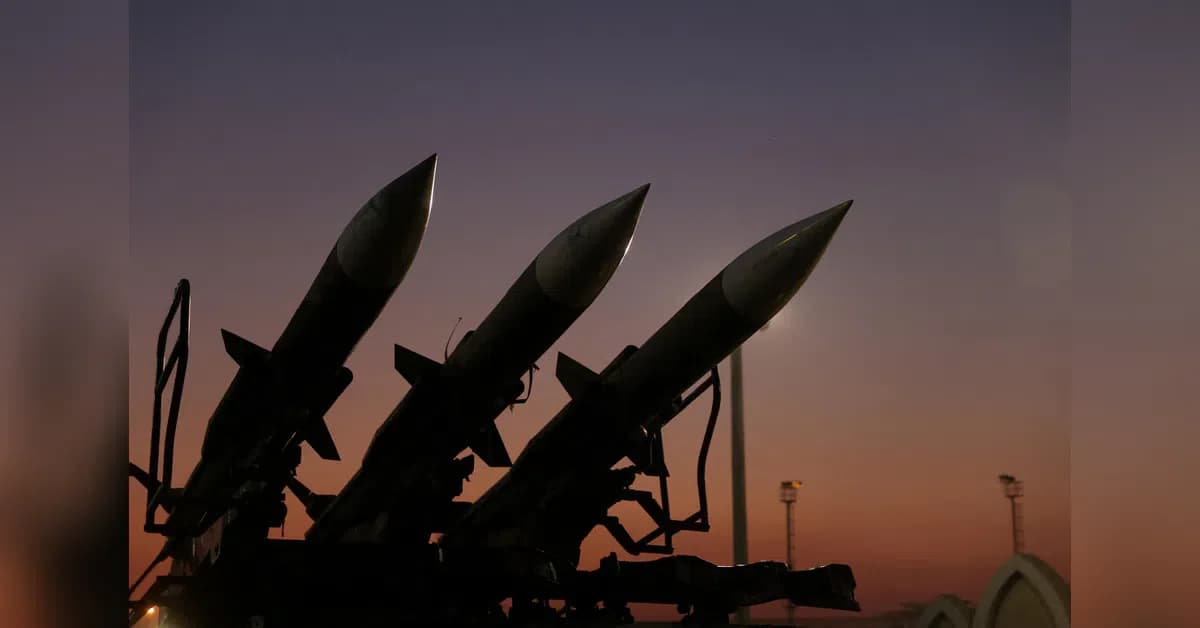
Iran's drone programs occupy a unique role in its arsenal due to their decentralized manufacturing capabilities. Unlike ballistic missiles, which require more complex supply chains and longer production timelines, Iran's drone programs rely on dispersed manufacturing, commercially available components and decentralized assembly methods that are harder to eliminate completely. Security analysts have long warned that this distributed model makes Iranian drone capability resilient even after direct attacks on factories or depots. Regional security concerns extend beyond Iran itself, as US and allied officials have repeatedly linked Iranian drone technology to armed groups aligned with Tehran across the Middle East, including networks operating in Iraq, Syria, Lebanon and Yemen. These groups increasingly possess local production knowledge and can sustain drone operations even when direct Iranian weapons transfers become difficult.
Iran is also working to restore missile launch infrastructure and rebuild key sections of its military-industrial base damaged during the conflict. The recent US intelligence reports suggest that the war was able to degrade Iran's military capability but not destroy them completely. Earlier, US Central Command commander Admiral Brad Cooper said on Tuesday that Iran's capability has been largely eliminated, stating that 'Operation Epic Fury significantly degraded Iran's ballistic missiles and drones while destroying 90 per cent of their defence industrial base, ensuring Iran cannot reconstitute for years'. However, the latest intelligence assessments indicate that Iran is reconstituting much faster than initially assessed, raising questions about the long-term effectiveness of the US-Israeli strikes.
The apparent recovery has strategic implications for ongoing diplomacy, with US President Donald Trump warning that Washington could launch additional military action if negotiations with Tehran collapse. Officials familiar with intelligence findings reportedly concluded that Tehran's recovery effort is moving 'much faster' than early Pentagon estimates, though an independent verification of the assessment is not immediately possible. Recent attacks and attempted strikes involving drones against military and energy targets in the Gulf underscored how inexpensive unmanned systems can challenge sophisticated air defenses and threaten oil infrastructure, shipping lanes and US facilities. Iranian leaders have vowed to retaliate if attacks resume, relying on asymmetric tactics to confront militarily stronger adversaries. The emerging picture suggests that while Iran may have lost infrastructure and stockpiles, US intelligence increasingly believes it has preserved something harder to destroy — the technical expertise and decentralized networks needed to rebuild.