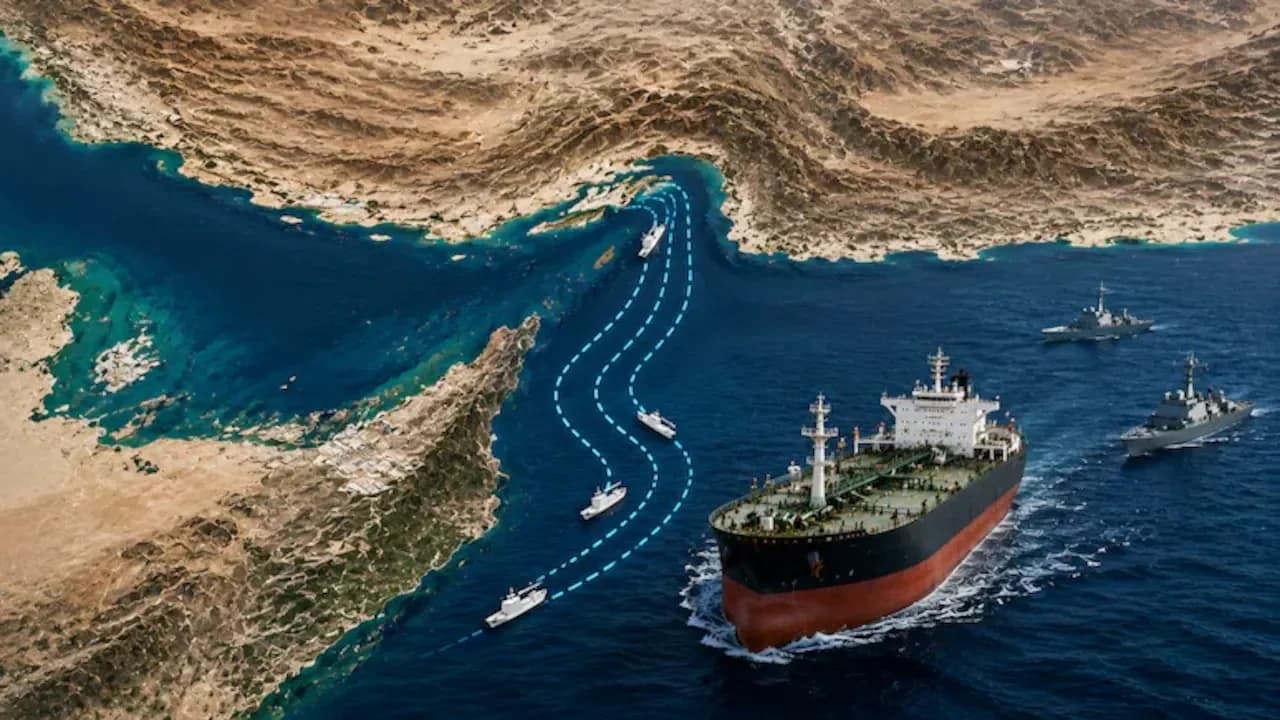
Iran has claimed that its newly developed air defence system, called Arash-e Kamangir, was used to shoot down a US MQ-9 Reaper drone near the Strait of Hormuz earlier this week. According to Iran's state-sponsored media, the American drone-- that costs between $16 million and $30 million per unit-- was brought down near Qeshm Island in the Strait of Hormuz using a locally developed system. If the claim is correct, the interception marked the first combat use of the defence system named after the legendary Iranian character Arash-the-Archer. Iranian media claimed the drone was brought down over regional waters during an operation to protect the country's airspace and maritime borders. "This operation, which was carried out using a system with hidden capabilities, is a clear and decisive message from Iran," Iran's Fars news agency quoted unnamed officials as saying. However, so far, no independent source has corroborated the Iranian claim of a new interception system.
The reported interception comes as Washington is said to have launched fresh strikes on an Iranian military site near Bandar Abbas. Iran's Islamic Revolutionary Guard Corps later claimed it retaliated by targeting an 'American airbase'. While there has been no independent confirmation of Iran's claims, analysts told Al Jazeera that the broader concept behind the system appears plausible given Tehran's growing focus on mobile and low-cost defence platforms. According to Fars, unnamed Iranian officials described the operation as a clear and decisive message from Iran, stating "This operation, which was carried out using a system with hidden capabilities, is a clear and decisive message from Iran." The incident reportedly occurred near Qeshm Island, a strategically important location close to one of the world's busiest energy shipping routes.
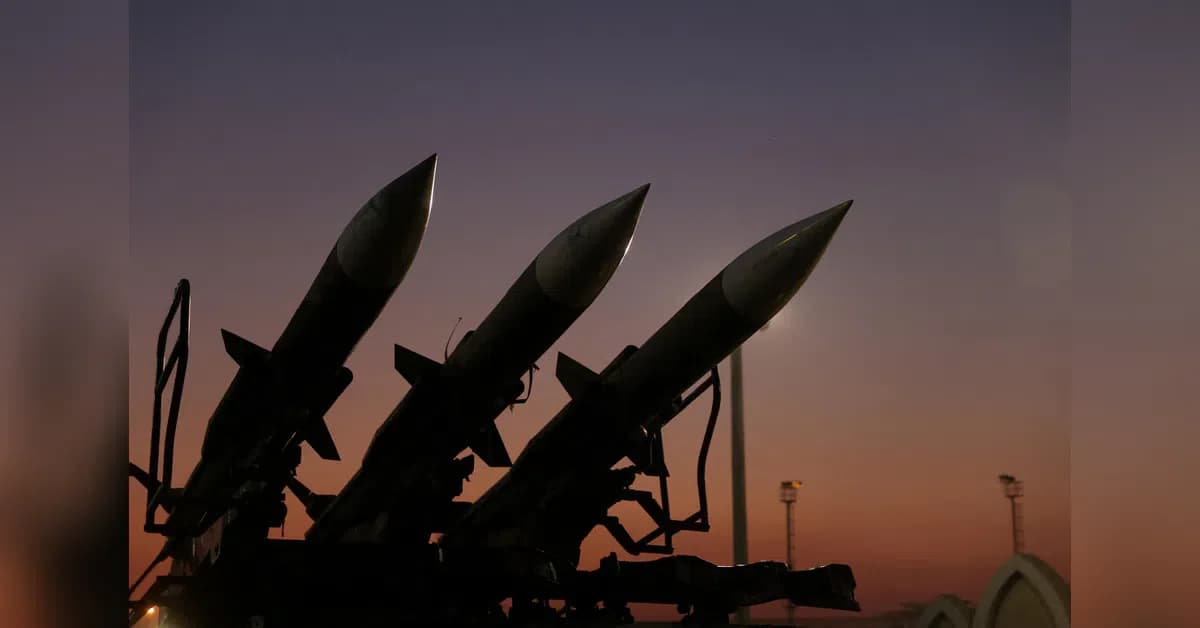
The name Arash-e Kamangir translates to 'Arash the Archer', a figure from Persian mythology celebrated for defending Iran against foreign domination. According to Fars, the system has been named after an eponymous hero from Persian mythology who had fired an arrow to draw the border between Iran and Central Asia. The system is described as a mobile air defence system designed to intercept drones and aircraft, with the interceptor designed to wait in the air until it encounters a target drone or aircraft. The system includes short-range anti-drone or anti-aircraft weapons that are less sophisticated than major air defence batteries but easier to manufacture and replace. These resilient features made the US Reaper drone especially vulnerable to the Iranian system, as reported by Al Jazeera. Mark Hilborne, senior lecturer at King's College London's School of Security Studies, told Al Jazeera there was very little independently verified information about the system, but said the reported attack fits a wider pattern of Iran's self-sufficiency in various forms of missile design.
Analysts believe the system could be linked to Iran's evolving network of mobile surface-to-air weapons that rely on electro-optical or heat-seeking guidance instead of fixed radar sites. Alex Almeida of Horizon Engage told Al Jazeera the platform was likely designed as a pop-up SAM system that can be rapidly deployed and concealed. Nicole Grajewski, an assistant professor at Sciences Po University in Paris, told Al Jazeera that the reported incident may indicate that Iran retains at least some functioning defensive capability. "The value is that you can move these quickly... They are mobile launch systems, in some cases man-portable. We don't know how high the Reaper was flying. Based on the released video, it may have been relatively easy for them to shoot down, but it still indicates they retain some remaining air defence capability," she said. Despite months of strikes on Iranian military infrastructure, analysts say the latest interception suggests Tehran still retains enough capability to maintain a persistent, limited, low-level air threat that could complicate future military operations. Tehran's strategy, analysts added, is centred less on technological superiority and more on resilience, endurance and mobility.