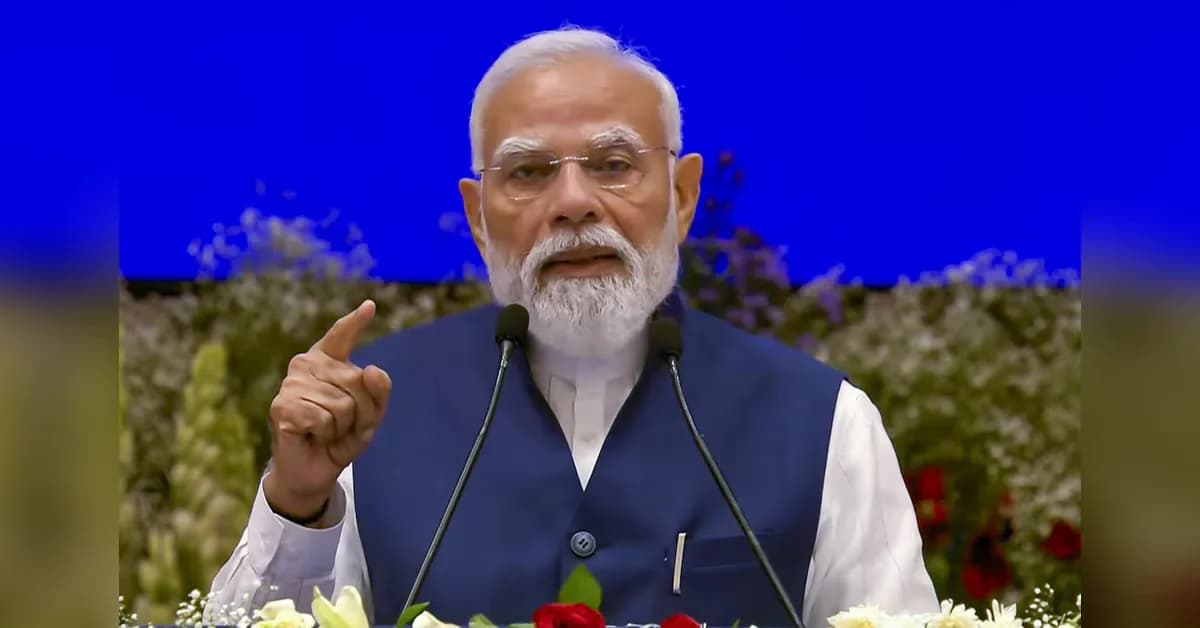
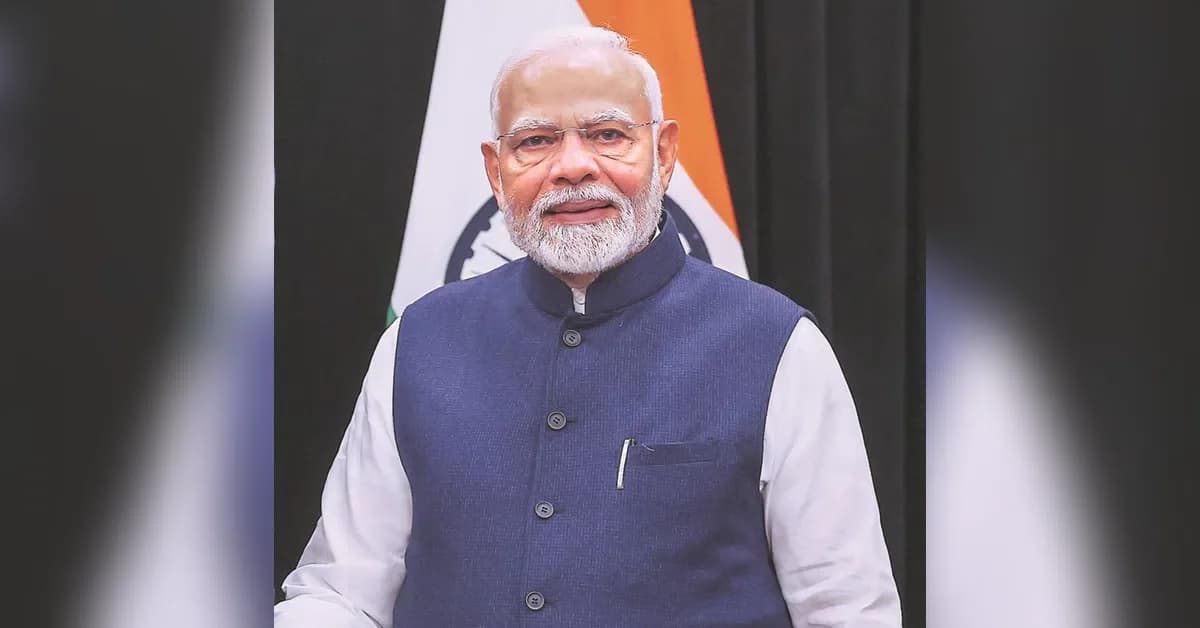
Prime Minister Narendra Modi has begun his six-day, three-nation tour from July 6 to 11, visiting Indonesia, Australia, and New Zealand. According to the latest reports from the Ministry of External Affairs (MEA), the tour will focus on strengthening trade and investment ties, deepening strategic partnerships, engaging with business leaders and connecting with the Indian diaspora. The visit begins in Indonesia from July 6-8 at the invitation of President Prabowo Subianto, followed by Australia and concluding in New Zealand. This comprehensive tour represents a significant diplomatic and economic engagement across the Indo-Pacific region, with the visit to Jakarta taking place while the two countries negotiate a deal where Indonesia could procure Brahmos missiles from India, and discussions in Melbourne expected to focus on India importing uranium from Australia. As per Modi's departure statement, the tour will further strengthen India's Act East Policy, MAHASAGAR Vision and its commitment to a free, open and inclusive Indo-Pacific. This tour comes within ten days of Modi's visit to Seychelles and follows recent efforts to reinforce India's role as the "net security provider" in the Indian Ocean Region.
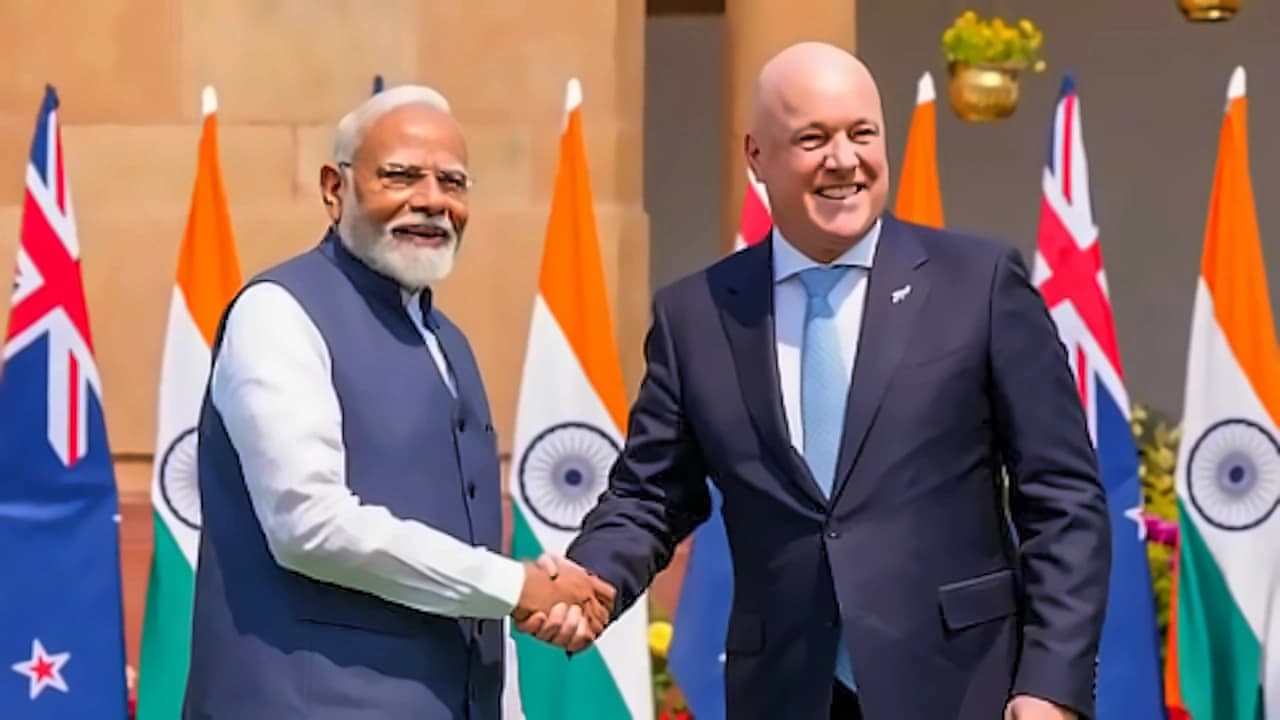
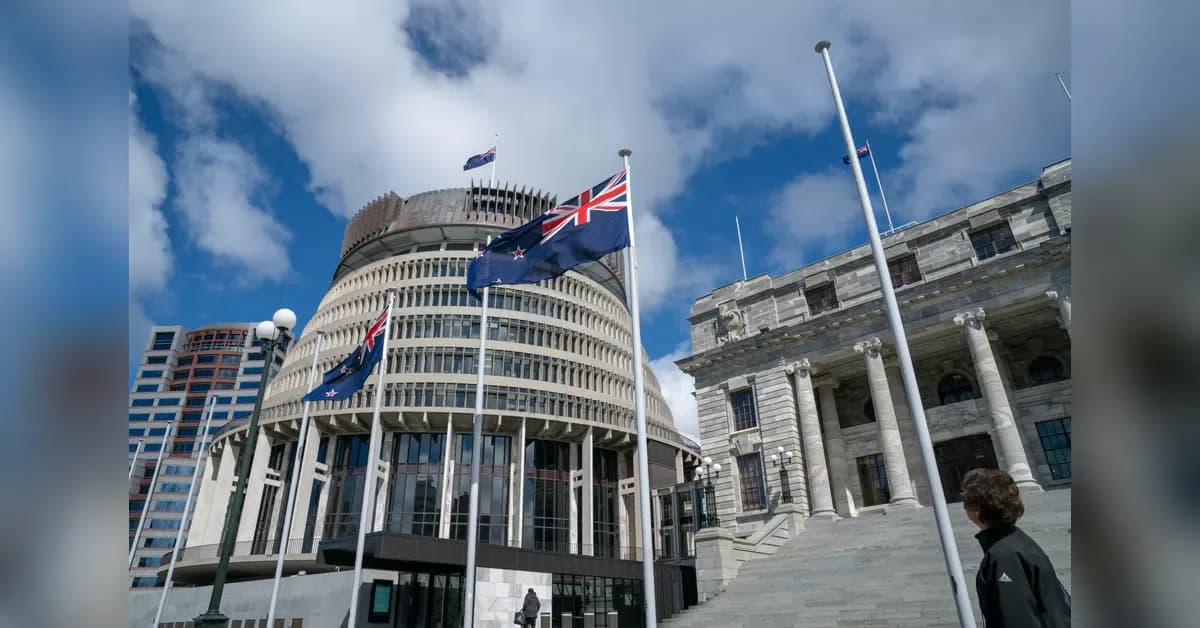
Prime Minister Narendra Modi will undertake his first official visit to New Zealand as part of this comprehensive tour, marking the first visit by an Indian Prime Minister to the country in 40 years. According to reports from Reuters, New Zealand Prime Minister Christopher Luxon confirmed on Friday that Modi is scheduled to arrive in Auckland on July 10 and depart on July 11 for a brief but significant visit aimed at strengthening bilateral ties. The government has now officially confirmed the visit, with Luxon describing it as "historic" and stating the visit is about "celebrating a winning partnership between New Zealand and India - one that delivers for our people and supports greater prosperity and security for both our countries." As per Luxon, the visit is described as historic with this being the first to New Zealand by an Indian Prime Minister in 40 years. The visit comes months after New Zealand PM Christopher Luxon visited India in March 2025, which culminated in the signing of an India-New Zealand FTA in April 2026. For the year ending March 2026, New Zealand exported $1.216 billion of total goods and services to India and imported $1.034 billion, representing a trade balance of $182 million and a total trade value of $2.250 billion. However, India had enjoyed a trade surplus with New Zealand since FY21 but faced a deficit of nearly $23 million in FY26, highlighting the need for continued engagement.
Prime Minister Modi's visit to Australia from July 8 to 10 at the invitation of Australian Prime Minister Anthony Albanese to participate in the Australia-India Annual Leaders' Summit in Melbourne has emerged as a key moment for India's nuclear energy expansion. According to The Times of India, the summit may see a key uranium supply agreement being signed as India seeks to strengthen fuel supplies for its expanding nuclear power programme. Australia, which has nearly one-third of the world's known uranium reserves, signed a framework agreement with India over a decade ago, and Modi's visit to Melbourne could pave the way for a commercial arrangement under which Australia would begin supplying uranium to India. The two countries are also likely to finalise or advance agreements in several strategic areas, including critical minerals, cybersecurity, emerging technologies, clean energy and supply-chain resilience, following the annual summit between Modi and Albanese in Melbourne. According to a report in The Economic Times, citing people familiar with the developments, Australia's visit could result in a uranium supply deal amid New Delhi's efforts to expand nuclear power generation, with Australia holding a third of the world's known uranium reserves and having entered into a framework pact with India more than a decade ago.
Prime Minister Modi will travel to Indonesia from July 6 to 8 - his fourth visit to the country but first bilateral trip since May 2018, as confirmed by the Ministry of External Affairs (MEA) at a briefing last week in New Delhi. According to experts, this timing is particularly significant as India and Indonesia occupy pivotal geographic positions at either end of the Indian Ocean and both have an interest in preserving a stable, inclusive and rules-based regional order. Fitriani, senior analyst with the Australian Strategic Policy Institute, noted that the visit comes at a time when the Indo-Pacific is experiencing growing geopolitical competition, increasing concern over maritime security, and renewed attention to supply chain resilience. Modi will hold talks with President Prabowo Subianto, address the diaspora in Jakarta and visit the Prambanan Temple complex at Yogyakarta with President Prabowo, which is another remarkable testament to the close cultural ties between the two countries. The visit is expected to cover the long-stalled Sabang-Nicobar corridor, linking Indonesia's Sabang port with India's Nicobar Islands, and discussions could also cover the Asean-India Trade in Goods Agreement (AITIGA), currently under review to address India's concerns about its unfavourable balance of trade with Asean. Modi noted that India and Indonesia elevated bilateral ties to a Comprehensive Strategic Partnership during his first visit to Indonesia in 2018, and this visit comes after President Prabowo's state visit to India as the chief guest at the Republic Day celebrations in January 2025.
During Modi's visit to Australia, he is also scheduled to attend the India-Australia CEOs Forum, where business leaders from both countries are expected to discuss investment opportunities in manufacturing, technology and clean energy. According to The Times of India, economic engagement between India and Australia has strengthened significantly in recent years, with the Australian government unveiling "A New Roadmap for Australia's Economic Engagement with India" in February 2025, aimed at deepening commercial and strategic ties with New Delhi. The Melbourne meeting will mark the latest engagement between the two leaders following their meeting on the sidelines of the G20 Summit in Johannesburg in November 2025, with the summit expected to provide opportunities to review progress under the Australia-India Comprehensive Strategic Partnership. For the year ending March 2026, India exported $1.216 billion of total goods and services to Australia and imported $1.034 billion, representing a trade balance of $182 million and a total trade value of $2.250 billion. However, India's trade with these countries declined year-on-year in FY26, with both exports and imports decreasing in absolute terms and shrinking as a percentage share of India's total exports and imports respectively. This decline also led to a decline in India's trade deficit with Indonesia and Australia, with the combined share of the three countries in India's total FDI equity inflows standing at just 0.39 per cent in FY26.
The visit comes more than two months after India and New Zealand signed their free trade agreement in April, which was negotiated in just nine months from March 2025, making it one of the quickest trade deals India has closed. Describing the visit as a historic milestone, New Zealand Prime Minister Christopher Luxon said the visit will focus on the New Zealand-India Free Trade Agreement, signed in April, which will deliver more jobs, higher exports and stronger economic growth for New Zealand. The FTA will eliminate 95% of tariffs on goods from New Zealand, with 57% of the country's exports to India becoming tariff-free from the first day of implementation. This comprehensive agreement will create significant opportunities for both nations' businesses and industries. Modi noted that India and New Zealand have committed themselves to strengthening bilateral trade and commercial ties with the signing of the Free Trade Agreement, and during this visit, he would discuss with Luxon how to further enhance economic, trade and commercial engagements. The India-Australia Economic Cooperation and Trade Agreement (ECTA), which entered into force in December 2022, has emerged as one of India's most successful recent trade agreements, particularly benefiting Indian textiles, pharmaceuticals, chemicals, engineering goods, gems and jewellery and agriculture sectors while facilitating greater Australian exports of critical minerals, resources, education and services. Officials said the effort is to finalise a balanced Comprehensive Economic Cooperation Agreement (CECA) to be adopted on both sides, with the CECA including a chapter dealing with agricultural cooperation and agricultural technology.