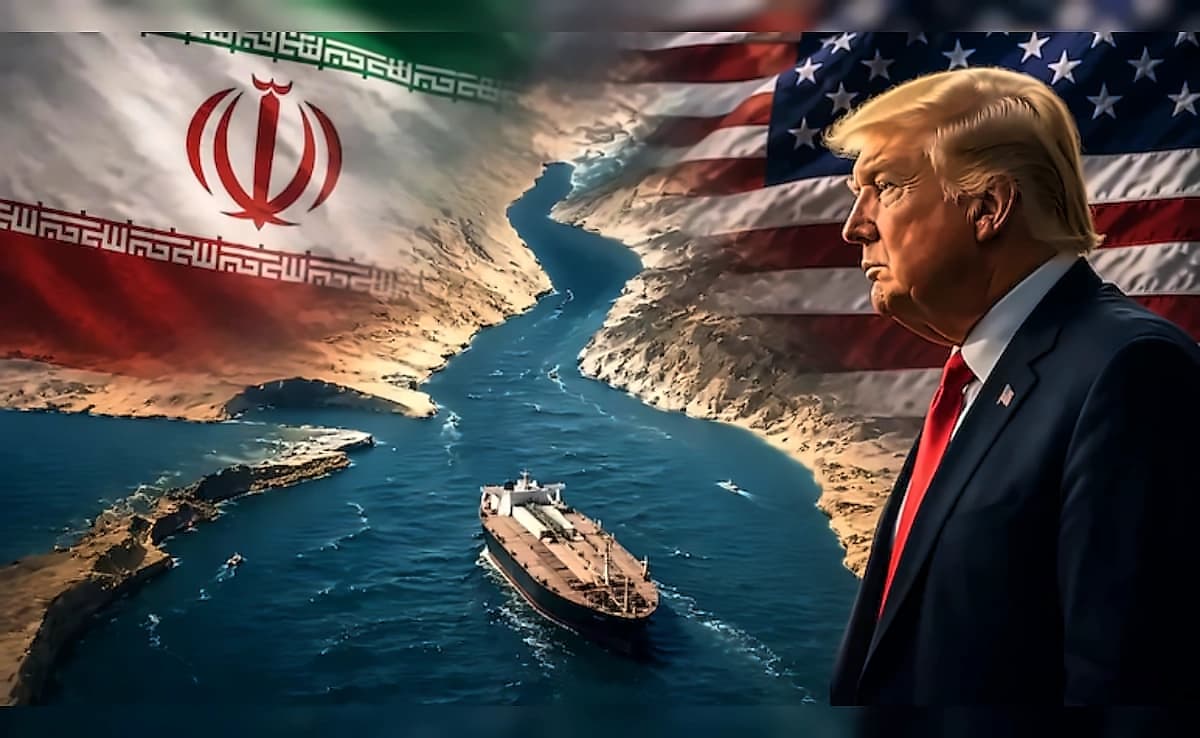
Iran has presented a new peace proposal to the United States that includes ending hostilities on all fronts including Lebanon, the exit of US forces from areas close to Iran, and reparations for destruction caused by the US-Israeli war, according to state media reports. As reported by Reuters, Deputy Foreign Minister Kazem Gharibabadi confirmed that Tehran also seeks the lifting of sanctions, the release of frozen funds and an end to the US marine blockade on the country. The proposal also calls for the release of frozen Iranian assets, an end to restrictions affecting Iranian trade and shipping, and a halt to hostilities across regional conflict zones including Lebanon. The terms appear to be little changed from Iran's previous offer, which US President Donald Trump rejected last week as 'garbage'. The proposal represents Tehran's latest attempt to end the conflict that began in late February, with Iran appearing to be seeking a comprehensive arrangement that addresses not only sanctions and military pressure but also the broader regional balance of power involving Lebanon, the Gulf region, and United States military deployments.
The Trump administration has termed the latest peace proposal by Iran as 'insufficient', with US officials warning that the diplomatic opening could collapse and military operations may resume if Iran does not make major concessions on its nuclear programme. According to Axios, the proposal was conveyed through Pakistani mediators and included only limited changes from Iran's earlier position. A senior US official told Axios that the offer failed to address key concerns, especially over uranium enrichment and the future of Iran's nuclear activities. The report said the US and Iran are currently not negotiating the detailed terms of a final agreement but are instead trying to establish a framework for future talks. Despite ongoing negotiations, US officials believe meaningful progress is still distant and that pressure remains firmly on Iran to submit a more comprehensive proposal.
A Pakistani source confirmed that Islamabad, which has conveyed messages between the sides since hosting the only round of peace talks last month, had shared the Iranian proposal with Washington. However, according to Iran's Mehr news agency, the US offered no meaningful concessions in its latest negotiation response, with Iran's Foreign Minister Abbas Araghchi dubbing the 'contradictory and excessive behaviours' of the US a serious obstacle to diplomacy. Araghchi cited past breaches of promises as reasons for deep-rooted Iranian suspicion of the US administration during a meeting with Pakistani Interior Minister Mohsin Naqvi. The Iranian government has remained defiant in statements issued on state media after Trump's announcement, warning the U.S. and its allies against making any further 'strategic mistakes or miscalculations' in attacking Iran and contending that the Iranian armed forces were 'more prepared and stronger than in the past'. A senior Iranian official suggested on Monday that Washington may be softening some of its demands, with reports indicating the US had agreed to release a quarter of Iran's frozen funds - totaling tens of billions of dollars - held in foreign banks. However, the US reportedly rejected Iran's latest 14-point proposal submitted through Pakistan, raising expectations that Washington could resume military action.
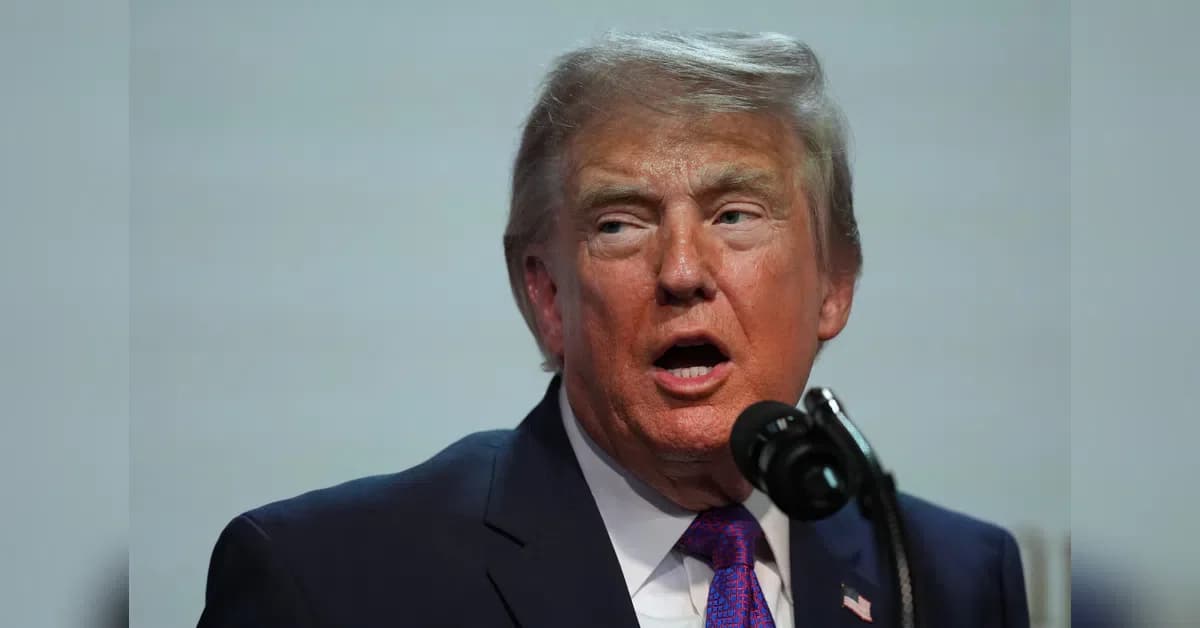
The nuclear issue remains the biggest obstacle in negotiations as the US has continued to insist that Iran must curb or suspend uranium enrichment activities and accept stricter monitoring mechanisms. However, Iran has resisted demands it sees as undermining its sovereign nuclear rights. According to Reuters, Iran wants a permanent end to hostilities, lifting of sanctions, freedom to resume oil exports and assurances against future attacks before entering substantive nuclear negotiations. The report comes amid rising tensions in West Asia and growing fears that diplomacy may fail. US President Donald Trump recently warned that 'the clock is ticking' for Iran to present an acceptable deal and hinted at tougher military action if negotiations remain stalled. Despite growing internal unrest, a crippled economy and the deaths of many of its leaders, there is no evidence Iran is set to meet Trump's demands — many of which it has long rejected.
The US-Israeli bombing killed thousands of people in Iran before it was suspended in a ceasefire in early April, while Israel has killed thousands more and driven hundreds of thousands from their homes in Lebanon, which it invaded in pursuit of the Iran-backed Hezbollah militia. According to Al Jazeera, Israeli forces intercepted dozens of boats on Monday while they were trying to deliver aid to Palestinians in war-torn Gaza, with Israel reportedly sending 'a fully equipped naval fleet' and armed troops using speed boats to intercept, board and abduct hundreds of activists in international waters off Cyprus. Gaza's Health Ministry said two people were killed and three others injured in Israeli attacks across the territory over the past 24 hours, despite the ongoing ceasefire between Israel and Hamas. The ministry added that another individual previously wounded in an Israeli strike also died during the same period, with 880 people killed in Israeli attacks since the ceasefire came into effect in October 2025. The total death toll in Gaza since October 2023 has now reached 72,772, with many of those killed being women and children. Israel launched its military offensive following the Hamas-led attack on southern Israel on October 7, 2023, in which around 1,200 people were killed.