President Donald Trump has issued a stark warning that the fragile ceasefire between the US and Iran may be on 'massive life support' with only a 1% chance of survival, signaling deep skepticism about current diplomatic efforts. Speaking to reporters, Trump rejected an Iranian-backed proposal that focused on ending the US blockade while delaying negotiations over Tehran's nuclear program, stating 'I have a plan. Iran can't have a nuclear weapon'. The president also expressed concerns that Iran's latest response omitted any reference to relinquishing its enriched uranium stockpile, raising questions about whether the Iranian position may have shifted from previous agreements. According to recent analysis, Trump is calculating that enormous economic pressure will force the Iranians to cut a deal that he wants, with the president having almost minimal demands and willing to accept almost anything that makes it appear he secured a nuclear concession.
If diplomatic talks collapse, military analysts warn that any renewed conflict would likely unfold in phases, beginning with efforts to dismantle Iran's ability to project force across the region before expanding to more controversial targets. According to retired Army Col. Seth Krummrich, 'We're both starting at minus 1,000 because neither side trusts each other at all'. The Pentagon could target Iran's fleet of fast attack boats in the Strait of Hormuz, with military analysts noting that 'We've blown up six of them. They've got about 400 left'. Additionally, Iran's Revolutionary Guard Corps (IRGC) numbers between 150,000 to 190,000 troops, with only less than 1% killed in previous operations, leaving a significant portion still capable of operations. However, recent intelligence reports suggest 70 to 75 percent of Iranian missile technology remains intact, with U.S. senior commanders indicating the situation may be much worse than initially reported.
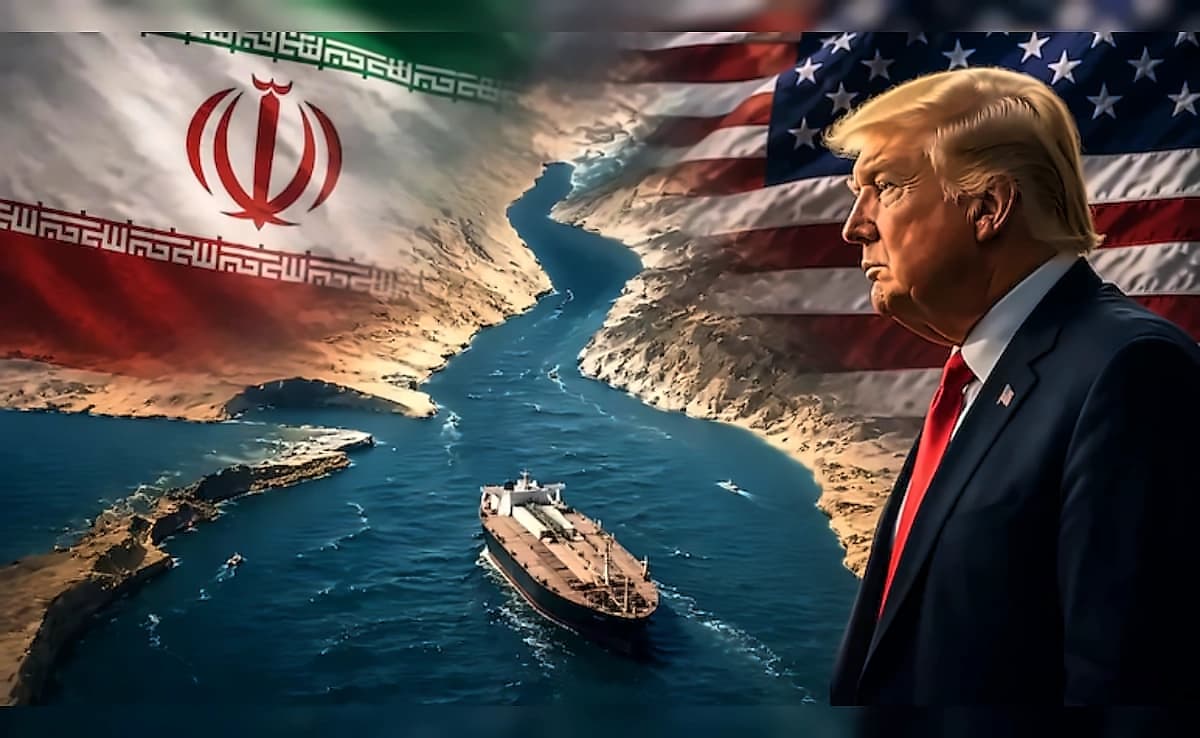
The tension escalated Thursday when American forces struck Iran's Qeshm port and Bandar Abbas — key locations near the Strait of Hormuz — while insisting the operation did not mark a restart of the war or the end of the ceasefire. This strike came two days after Iran launched 15 ballistic and cruise missiles at the UAE's Fujairah Port, drawing anger from Gulf allies. Defense Secretary Pete Hegseth and Joint Chiefs Chairman Gen. Dan Caine described the Iranian attack as a low-level strike that did not rise to the level of breaking the ceasefire. The Pentagon could also target Iran's highly enriched uranium through a mission that would require months of preparation and thousands of operators for continuous air coverage. Recent analysis reveals almost every American military base in the region has been hit, with the U.S. military showing real signs of rot from the head down and suffering much higher losses than people realize.
Despite significant economic damage, Iran is inflicting significant economic damage on the rest of the world by preventing oil sales, while the U.S. is inflicting economic damage on Iran by blocking their ability to trade. There appears to be a new Iranian leadership that is being very hard-line, not acting like they've been devastated or feeling their control over the country is threatened. The Iranians have calculated they have a much higher pain-tolerance threshold than Trump has, which is why more and more you hear that the U.S. is thinking of going back to bombing. This resistance stems from their willingness to put their own people under pain to hold out for longer, creating a standoff where Trump is stuck because he can't get the Iranian regime to accept terms he needs for a peace deal.