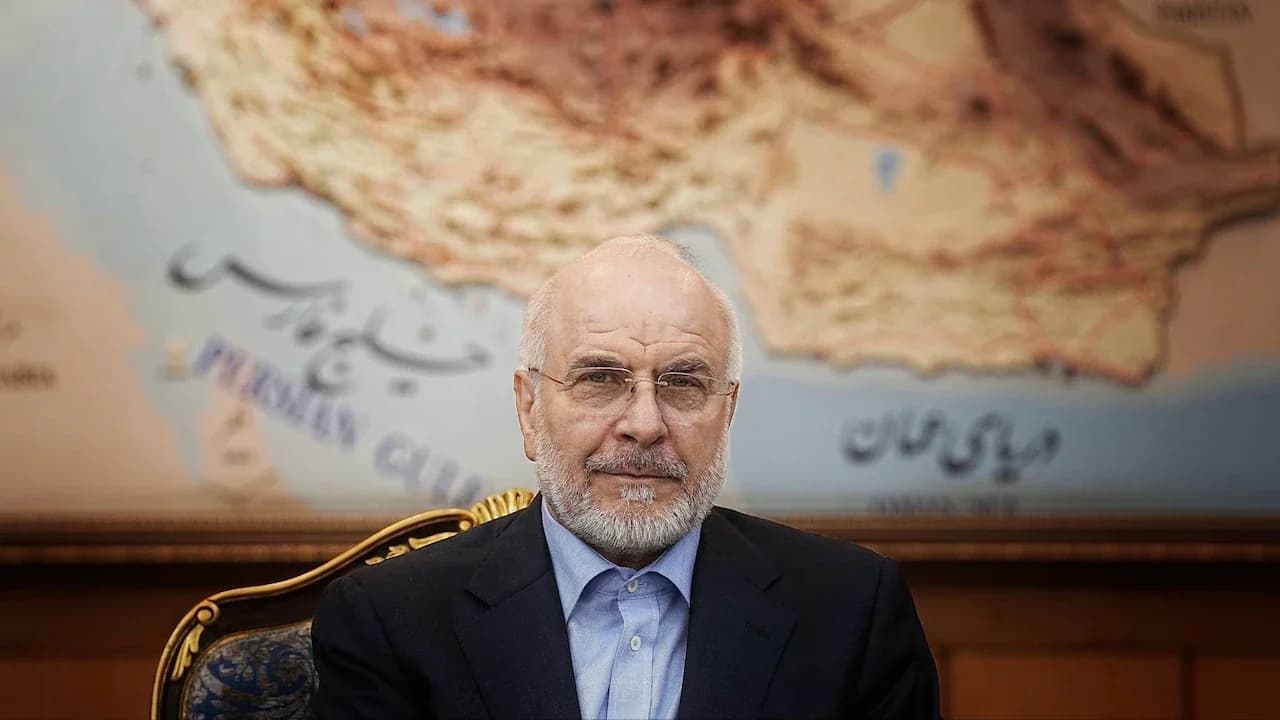
Iranian Parliament Speaker Mohammad Bagher Ghalibaf has launched a satirical attack on the US Federal Reserve's recent monetary policy decision. According to reports from X, Ghalibaf introduced what he termed the 'Straits Taylor Rule' - a mock version of the traditional Taylor Rule used by central banks worldwide. The parliamentary speaker's post on X platform on September 16, 2026, represents a direct response to the Fed's 25-basis-point rate hike that brought benchmark lending rates to 3.75-4% - the first increase in over three years. Ghalibaf ended his post with the phrase 'Stay unanchored!', playing on the Fed's use of the term 'anchored' in discussions around inflation expectations.
The satirical rule presented by Ghalibaf includes several variables not typically found in traditional Taylor Rules. As reported by X, the formula includes α(SOH−SOH) and β(BEM−BEM)** variables, which appear to reference the Strait of Hormuz and what appears to be oil barrel metrics. The rule also incorporates 1.5(π−π)* and 0.5(y−y)* terms, suggesting Ghalibaf's attempt to create a monetary policy framework specifically tied to geopolitical and energy market conditions. The Fed's policy statement noted that economic activity continues to expand at a solid pace, underpinned by domestic spending that has remained resilient despite ongoing macro uncertainty.
Ghalibaf's post specifically references the Strait of Hormuz and suggests that the Fed's rate hike could not effectively influence this critical chokepoint. According to the parliamentary speaker's statement on X, he questioned whether a 25 basis point increase could open the Strait of Hormuz or produce a single barrel of oil. The message appears to assert Iran's control over the strategic waterway and suggests that monetary policy tools may be ineffective against geopolitical constraints. The Fed's policy statement observed that job gains have largely kept pace with the workforce, projecting the median unemployment rate to hold steady at 4.1% across both 2026 and 2027.
The parliamentary speaker's message emphasized Iran's position on interest rate determination, stating that 'r isn't neutral. It's SOH risk premium, and We set it.'* As reported by X, this statement appears to challenge the Fed's authority over interest rate policy and suggests that Iran maintains control over the Strait of Hormuz risk premium - a significant geopolitical factor affecting global oil markets and monetary policy transmission. The Fed's decision to raise rates by 25 basis points marked its first major step to tame persistent inflation under Kevin Warsh's leadership of the Federal Open Market Committee.