Iran's Islamic Revolutionary Guard Corps (IRGC) announced that its Hamzeh Sayyed al-Shuhada Command conducted operations against armed elements in Iran's Kurdistan Province, specifically near the city of Baneh. According to the IRGC statement carried by the ISNA news agency, these organisations were attempting to smuggle a large shipment of American weapons and ammunition into Iranian territory. The IRGC stated that the groups were operating from northern Iraq and 'acting on behalf of the US and the Zionist regime' when they attempted to smuggle the weapons into Iranian territory. The latest IRGC-affiliated Tasnim News Agency statement claimed that 'a large shipment of weapons belonging to anti-revolutionary groups was discovered and seized while being transferred into the country in the border area of Urmia,' the capital of West Azerbaijan province in Rojhelat, along the borders with the Kurdistan Region. The operation represents a significant cross-border smuggling interception that demonstrates the ongoing military tensions in the region.
Kurdish opposition groups based in the Kurdistan Region have categorically denied any involvement in Iran's Islamic Revolutionary Guard Corps (IRGC) claims of foiling weapons smuggling attempts. Hama Nazif Qadri, a senior member of the Democratic Party of Iranian Kurdistan (KDPI) - the largest Kurdish opposition group against the Islamic Republic - told Rudaw on Monday that 'this is not the first time such allegations have been made and just as we rejected them in the past, we reject them again'. Similarly, Aram Modarresi, a member of the central committee of Komala Toilers of Kurdistan, stated 'We completely reject the Islamic Republic's claims that Kurdish parties attempted to transfer weapons and that the weapons were seized'. The Kurdish groups dismissed the reports as 'baseless rumors', with Amjad Hussein Panahi of Komala accusing the IRGC of attempting to 'spread propaganda to cover up the fact that it has turned Rojhelat into a militarized zone'. The latest IRGC announcement of seizing a massive stockpile of American weapons has only strengthened Kurdish denials, with the groups maintaining their position that such allegations are politically motivated.
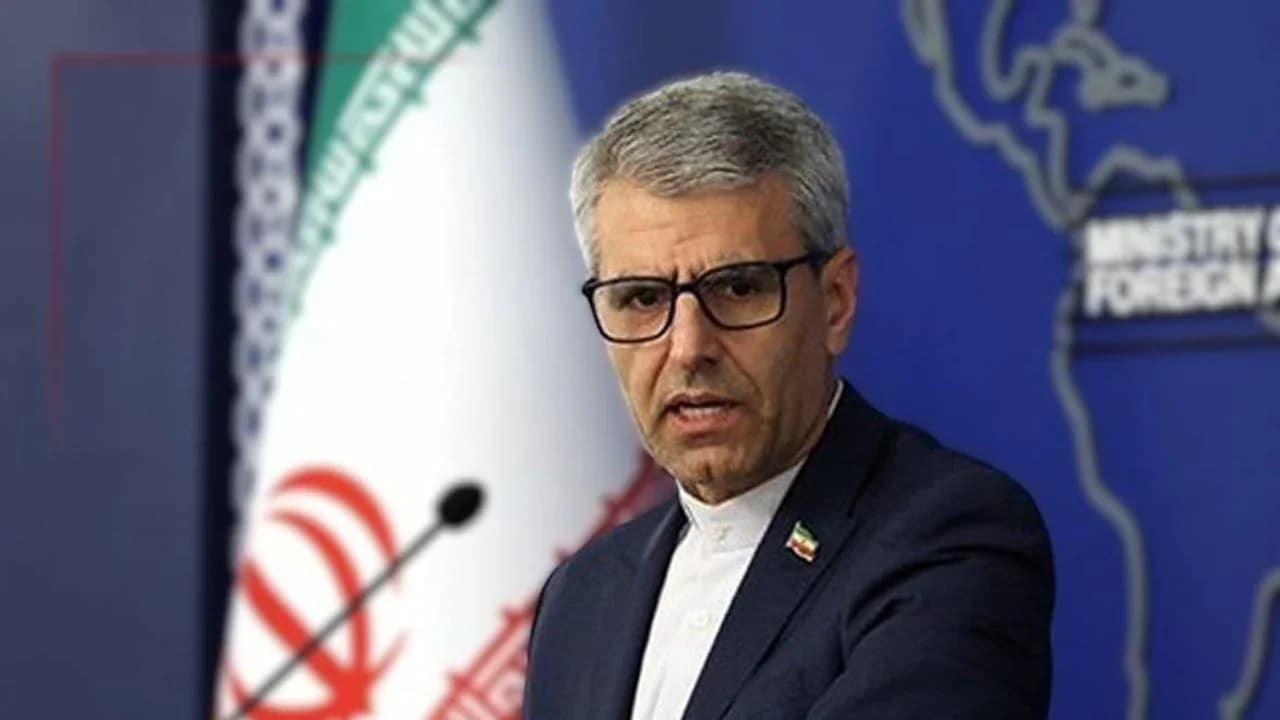
The military revelation coincided with Iran's claim that diplomatic talks with Washington are still proceeding despite ongoing disagreements over key issues. Esmaeil Baqaei, spokesman for Iran's foreign ministry, stated that Tehran had communicated its concerns to the US side and that talks were 'continuing through the Pakistani mediator'. Baqaei claimed that Iran's negotiating stances were 'firmly defended' in each round of negotiations, including calls for the removal of sanctions and the release of frozen assets overseas. He also reiterated Iran's call for war reparations, characterizing the conflict as 'illegal and baseless'. However, recent reports suggest that Washington has proposed restrictions on Iran's nuclear program, including a slowdown in enrichment activity and the transfer of stocks outside, while making minimal concessions on frozen assets. Iranian publications indicate that negotiations could be halted by such conditions, with Iranian officials characterizing US offers as exorbitant.
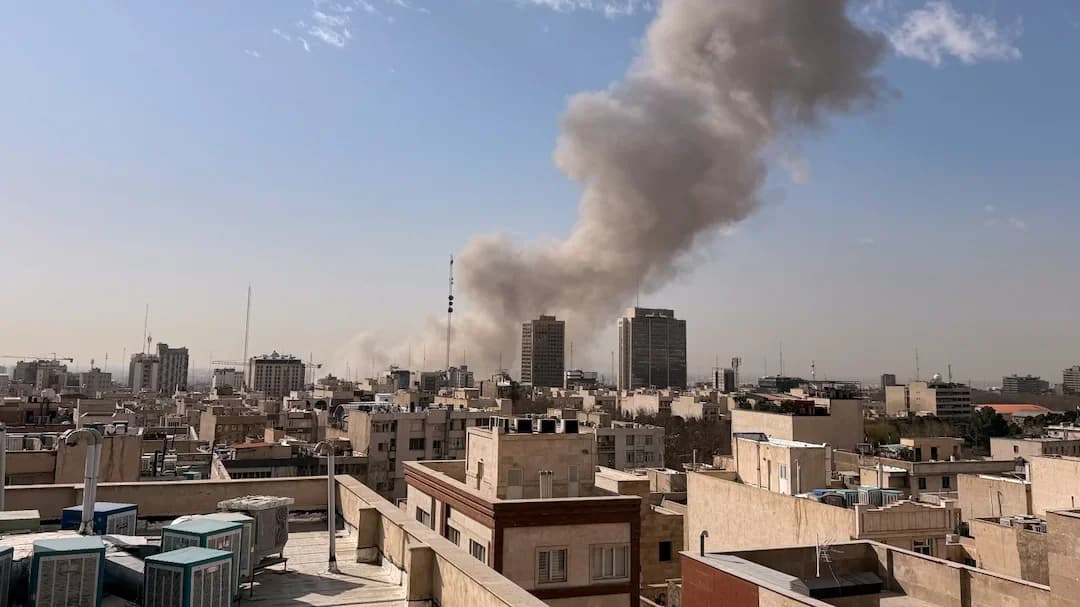
Despite the April 8 ceasefire agreement, military tensions continue to escalate in the region. The Kurdistan Regional Government's Department of Media and Information reported that since the outbreak of the war through April 20, the Region endured over 809 attacks. As of recently, three Iranian drones targeted 'residential' sites belonging to the KDPI north of Erbil on Friday, marking the second such attack in less than three days. The group reported that 'the Islamic Republic of Iran has targeted KDPI family camps, as well as the party's medical and educational facilities, nearly 130 times using ballistic missiles and drones'. Locals have also reported that heavy military equipment is being deployed to border areas, raising fears of another military confrontation. The latest IRGC operation against cross-border smuggling operations demonstrates the ongoing military pressure on the region.
Tehran has persisted in advocating for more significant regional reforms, including an end to hostilities on several fronts and an acknowledgement of its authority over the vital Strait of Hormuz. Iranian authorities have announced a new organization to oversee activities in the waterway, with the Persian Gulf Strait Authority (PGSA) sharing posts on its official X account stating it would provide 'real-time updates on the #Hormuz_Strait operations and latest developments'. This represents Tehran's continued push for broader regional changes beyond the ongoing nuclear negotiations, as the country seeks to establish greater control over strategic waterways amid the current conflict dynamics.