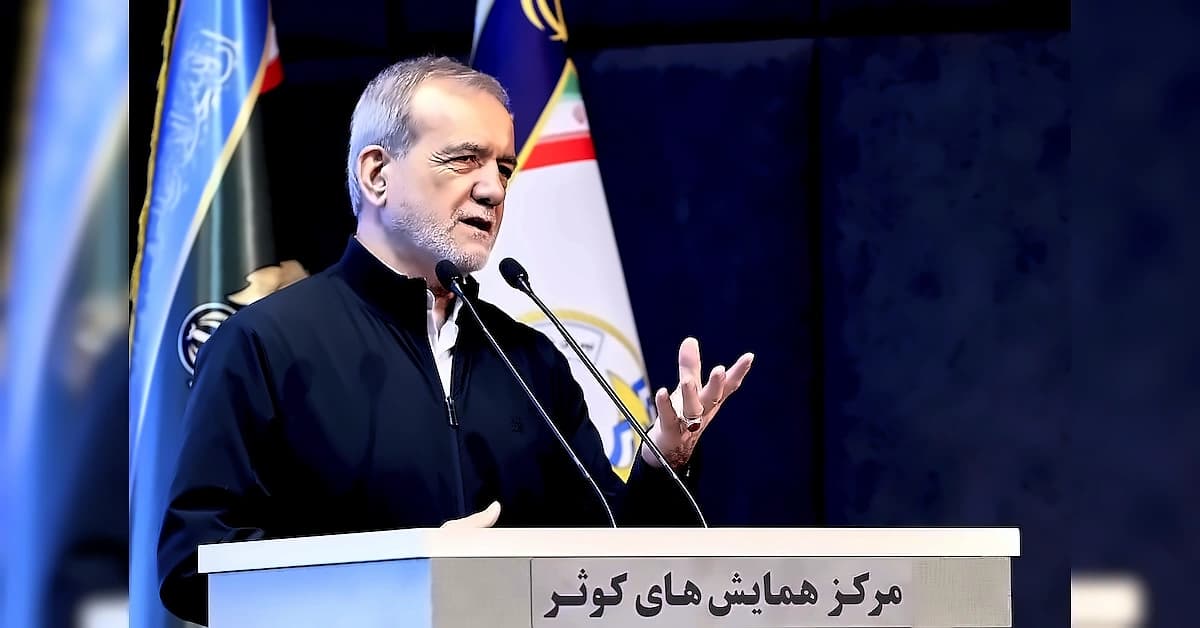
Iranian President Masoud Pezeshkian delivered a defiant message to the US and Israel during his address to religious leaders, intellectuals, and business figures in New Delhi. As reported by Business Standard, Pezeshkian stated that 'We will not surrender to oppression. Iran is standing up to Israel and the US because we will not be bullied, and if they push us, we will push them back'. The Iranian president labelled the US and Israeli forces as 'real militants', pointing to a US strike near a primary school in southern Iran that left 168 children dead. Pezeshkian emphasized that 'They should take on our soldiers instead of targeting hospitals, infrastructure and livelihoods', adding that 'The people of Iran will not surrender'. His remarks came amid escalating tensions in West Asia due to fresh US airstrikes and Washington's attempts to impose crippling sanctions on Tehran. During his latest meeting with Malaysian Prime Minister Anwar Ibrahim on the sidelines of the BRICS Summit, Pezeshkian warned the US against acting as a 'regional policeman' in the Middle East, stating that 'We do not need a regional policeman, the territorial integrity and security of the region can only be guaranteed by its main players and the countries that comprise it'.
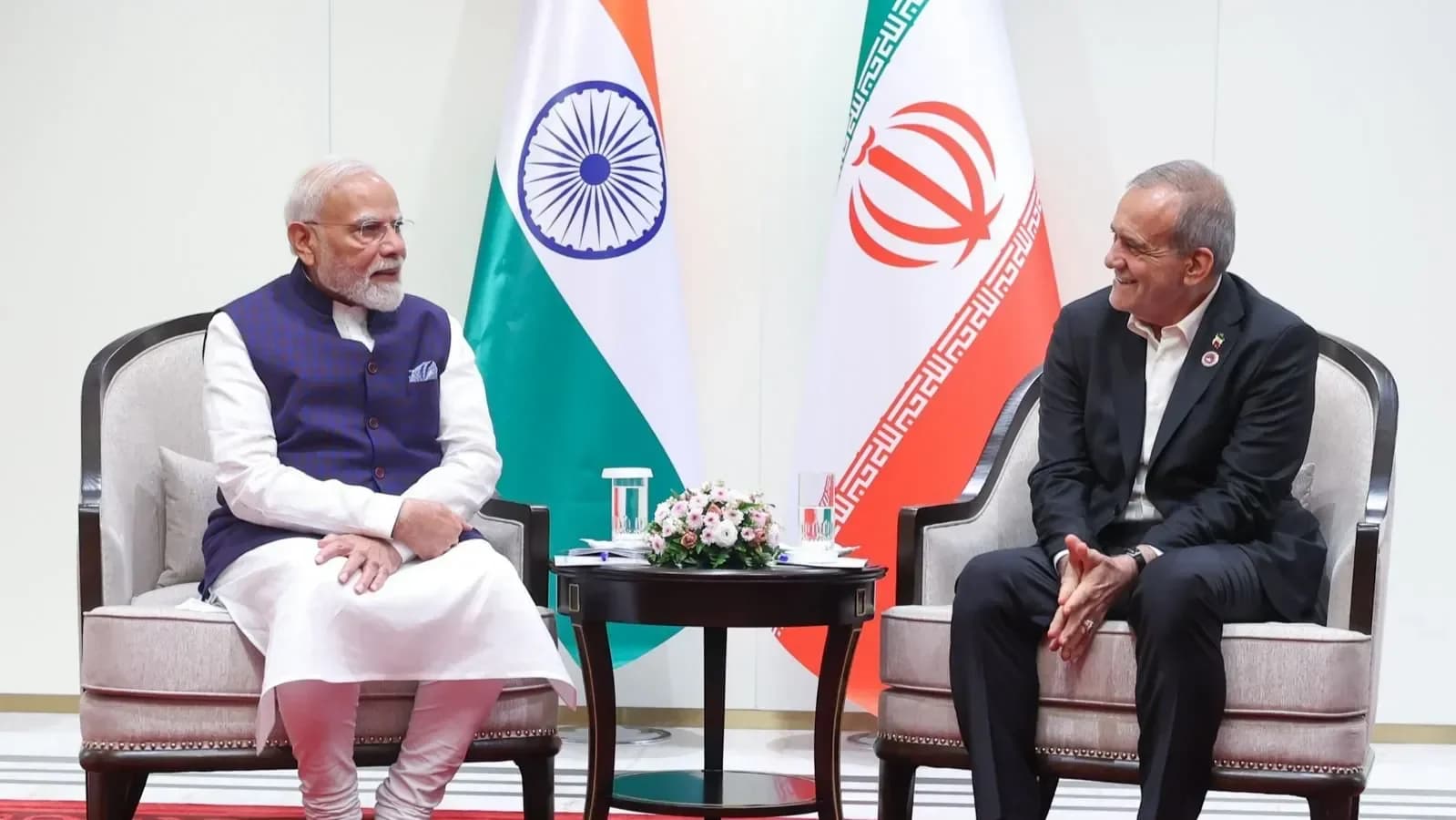
Iran's Foreign Ministry has called its ties with India 'very good' and 'very important', with Iran attaching 'great importance' to the bilateral partnership. According to reports from Iran in India, Ministry spokesperson Esmaeil Baghaei emphasized the significance of the relationship, stating that India remains an important partner for Iran, particularly in the areas of trade and economic cooperation. The Iranian Embassy in India also highlighted the relationship's importance, with the embassy stating that 'Our relationship with India is a long-standing, historic and civilizational relationship, and we attach great importance to our ties with India'. The meeting between Pezeshkian and Modi took place on August 31 during the 26th SCO Summit in Bishkek, marking the first interaction between the two leaders in two years and the first meeting since the West Asia war broke out earlier this year. The latest talks on September 11 in New Delhi represent the second meeting between the leaders in less than two weeks, with Pezeshkian making his first visit to India as president.
During their latest talks, PM Modi pressed Iranian President Masoud Pezeshkian to resolve the West Asia conflict through dialogue and diplomacy while highlighting the vital need for safe navigation and safety of seafarers. As reported by the Ministry of External Affairs (MEA), the Prime Minister reiterated India's consistent position that all issues must be resolved through dialogue and diplomacy. Modi underscored the need for continued efforts to ensure lasting peace and stability in the region, safeguarding freedom of navigation and commerce, and the safety and well-being of seafarers. The MEA noted that the two leaders exchanged views on recent developments in West Asia, with Modi thanking Iran for its regular, high-level participation in BRICS-related meetings despite the challenging circumstances. The conflict has extended beyond military and diplomatic tensions, raising concerns over the safety of ships passing through the Strait of Hormuz, a key route for global oil shipments. Pezeshkian had previously urged Modi to use India's extensive contacts with various parties to help them move away from the path of war and bloodshed and return to the path of dialogue and agreement.
During their discussions, Pezeshkian emphasized that Iran is ready to play the role of a strategic partner in supplying energy and food in the region, citing Iran's vast reserves and strategic location. As reported by Business Standard, the Iranian president said he had 'nice talks' with Modi that will pave the way for cooperation and development of relations in trade, technology and culture. The discussions are expected to focus on connectivity and logistics infrastructure, with the Chabahar Port continuing to be a key subject of discussion. Baghaei said 'Various issues are usually discussed during consultations between Iran and India, including the Chabahar Port, which is important to both countries'. The upcoming BRICS Leaders' Summit, scheduled from September 11 to 13 in New Delhi under India's chairship, will provide an opportunity for Iran and India to continue their discussions. The conflict has triggered wider concerns over the global economy, with disruptions involving the Strait of Hormuz raising questions about the reliability of energy supplies and the potential impact on oil markets, international trade and inflation.
India has appointed Vishwesh Negi as Ambassador-designate to Iran, marking a significant diplomatic development in strengthening bilateral ties. According to the Embassy of India in Iran, Negi met with Mohammad Reza Bahrami Taqanaki, Director General, South Asia Division, Ministry of Foreign Affairs of Iran on Sunday to explore avenues for boosting relations. Negi presented his credentials to Ali Akbar Nazari, Director General of Protocols at the Iranian Foreign Ministry. Negi is a veteran diplomat with extensive experience in political, security, and multilateral affairs, having served at Indian diplomatic missions in Tehran, Rome, and London, as well as senior positions at India's Ministry of External Affairs covering Pakistan, Afghanistan, Iran, the United Nations, and the Indo-Pacific. He also served as Joint Secretary for International Cooperation at India's Ministry of Defense. Given his extensive security and diplomatic background, his appointment comes at a crucial juncture for India-Iran strategic and economic ties amid ongoing instability in West Asia.
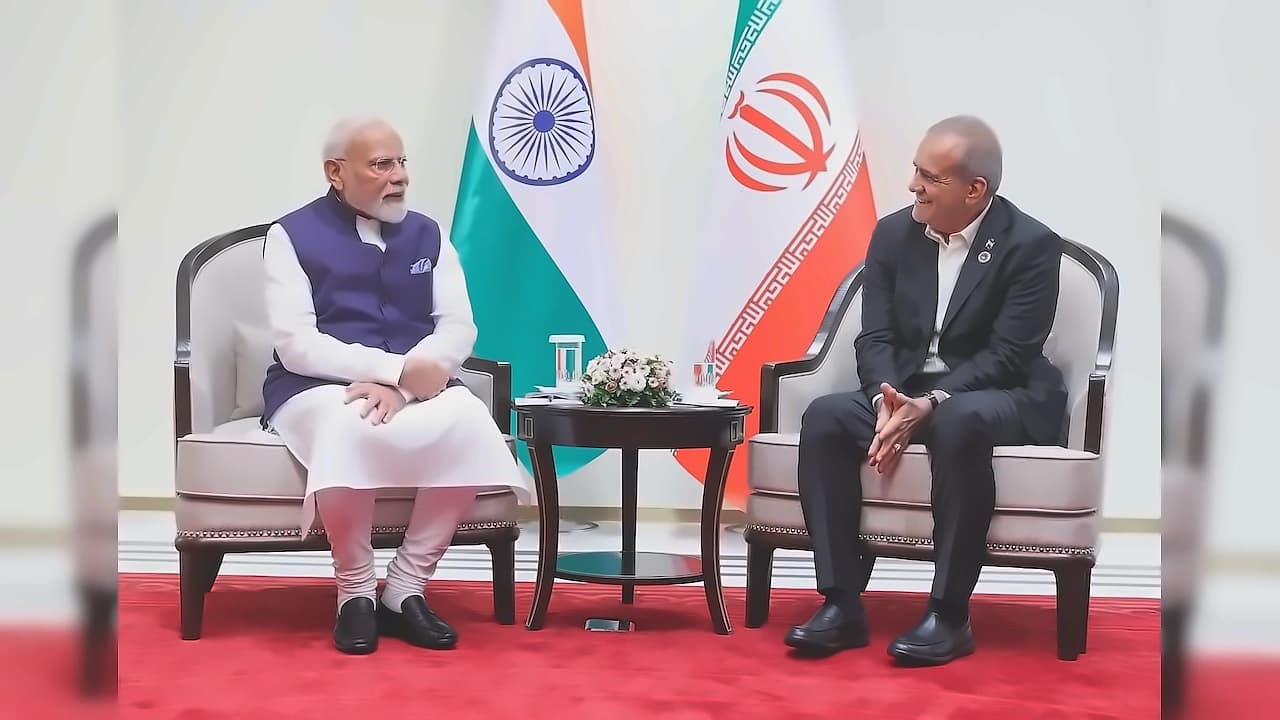
Prime Minister Modi's constructive engagement was reflected at the multilateral level during the SCO Summit. Modi joined other SCO leaders in endorsing the 'Bishkek Declaration' on September 1, 2026, which condemned the US and Israel's war on Iran that began on February 28. Modi also endorsed the adoption of the Tianjin Declaration a year prior, on September 1, 2025, which reiterated the imperative of upholding international law and the principles of the UN Charter following the US-Israeli aggression against Iran in June that year. From a strategic perspective, New Delhi's dual endorsements in Bishkek and Tianjin reflect an evolving posture within non-Western multilateral architectures. By aligning with joint statements that defend sovereignty and international law, India reinforces its traditional commitment to strategic autonomy. Tehran views India's diplomatic weight not only as an essential balancer in Eurasian geopolitics, but also as an indispensable partner in pushing back against unilateral coercive measures and militarism in West Asia. The BRICS summit is taking place against this backdrop of heightened economic uncertainty, with energy security and the wider consequences of the US-Iran confrontation emerging as major concerns for governments and businesses.