President Donald Trump has provided updated details on the progress of US-Iran diplomatic discussions, stating 'We are having productive discussions with the Islamic Republic of Iran' in a Truth Social post on Thursday. Trump emphasized that 'while Iran is in very bad condition, both Economically and Militarily, and while the Blockade will remain in full force and effect, with Oil flowing in Record Numbers of Barrels through the Hormuz Strait (22 Million Barrels, last night alone, with not one barrel coming from, or going to, Iran!), we will not be attacking Iran at any time prior to the Midterm Elections to be held in the United States on November 3rd'. This represents a significant shift from earlier considerations of renewed military strikes, with Trump now emphasizing that 'We are having productive discussions with the Islamic Republic of Iran'. The president confirmed that the US blockade of Iranian ports remains in effect and that oil is flowing through the Strait of Hormuz, indicating ongoing diplomatic engagement rather than escalation. The latest developments come after weeks of relative calm in a conflict now in its eighth month, with the war beginning on February 28 with US and Israeli strikes.
Oil prices experienced a notable decline on Friday as Trump's announcement eased supply concerns. December Brent oil futures were at $102.93, down by 1.29%, while November WTI crude oil futures were at $90.43, down by 1.16% as of 9:29 am on Friday, according to The Hindu BusinessLine. October crude oil futures were trading at ₹8,755 on Multi Commodity Exchange (MCX), down by 1.23% from the previous close of ₹8,864, while November futures were trading at ₹8,711, down by 1.33% from ₹8,828. Despite Friday's decline, Brent was on track for a weekly gain after settling 4% higher on Thursday amid increased attacks earlier this week on vessels carrying crude oil out of the Middle East. The price decline came after Trump's assurance that the US was holding productive discussions with Iran and maintaining control of the Strait of Hormuz. However, WTI was set for a slight weekly decline despite supply disruptions caused by Hurricane Isaias approaching the US Gulf Coast, indicating that while Middle East tensions eased, other supply disruption factors remained active. The selling began roughly 24 hours earlier amid fears of renewed military escalation, with WTI crude futures rising from $89 to $93.20 before falling sharply after Trump's Truth Social post, as reported by Axios. At the time of writing, crude futures traded at $90.69.
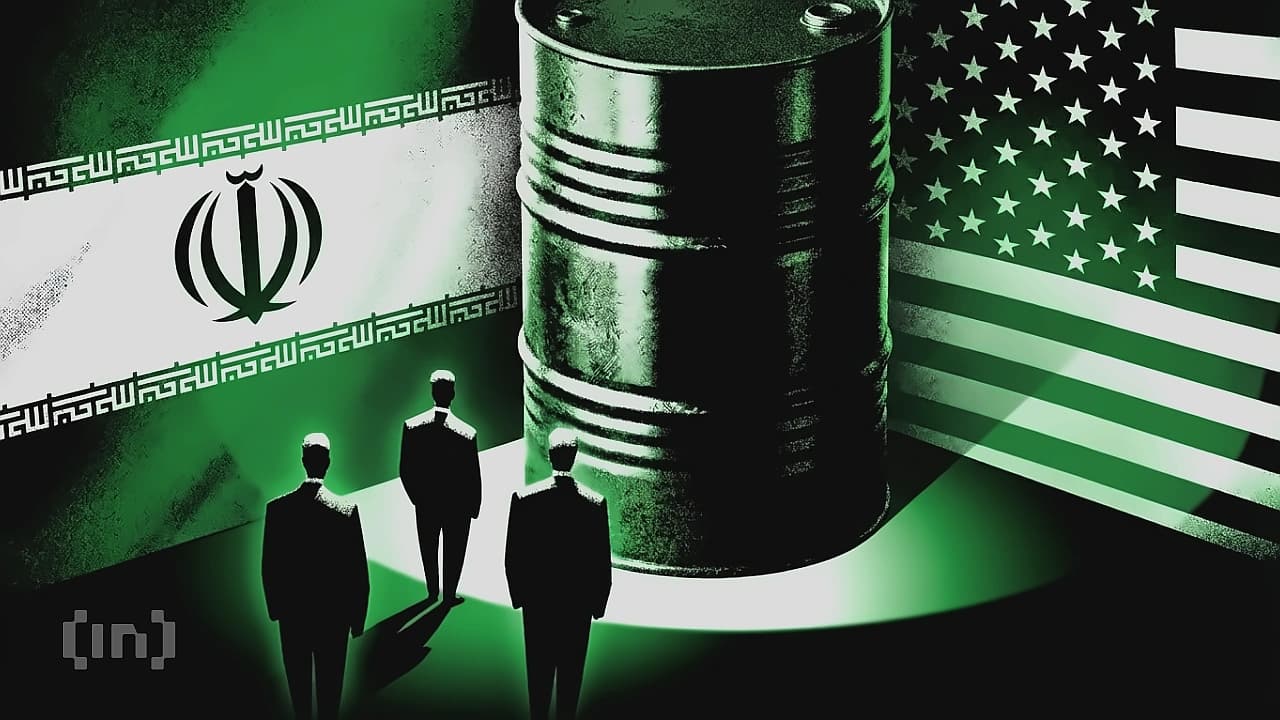
The Strait of Hormuz continues to face significant security challenges despite Trump's claims of record-volume oil shipments. According to the UK Maritime Organization, at least nine attacks were reported in the Strait of Hormuz and the Persian Gulf during the first seven days of October, already accounting for 50% of the total attacks recorded in September. The New York Times reported that the US had prepared plans for a three-day military operation against Iran, targeting drone and missile arsenals, energy facilities and other sites. Meanwhile, Iran's Fars news agency reported that several 'heavy explosions' took place in the Strait of Hormuz late Thursday after oil tankers attempting to cross the waterway's southern route were struck by mines. The International Energy Agency reports that Russian diesel output fell nearly 30% due to drone attacks on refineries, with Moscow banning diesel exports through October 31. Prices have been volatile this week as threats to oil shipping in the Gulf and the Strait of Hormuz, which carried shipments equal to about 20% of global oil and fuel before the war, have increased in October.
Additional supply disruption risks emerged from Hurricane Isaias, which is expected to make landfall along the US Gulf Coast late Friday or early Saturday. Alabama, Mississippi and the Florida Panhandle are among the areas at risk, with the storm putting about 1.3 million barrels per day of oil supply, representing more than 62.9% of the region's output, out of bounds. According to the US Marine Minerals Administration, producers there have shut in about 1.3 million barrels per day of current oil production as of Thursday. A Reuters report, citing the US Marine Minerals Administration, confirmed that the storm has forced oil producers there to shut in about 1.3 million barrels per day, or 62.9% of current oil production. The hurricane threat adds another layer of complexity to the already volatile oil market, with supply chain disruptions from multiple sources creating uncertainty for energy markets. Because of the storm, producers there have shut in about 1.3 million barrels per day, or 62.9%, of current oil production as of Thursday, as reported by Business Standard.
While diplomatic talks continue, the US has intensified economic pressure on Iran through fresh sanctions. On Thursday, the US imposed fresh sanctions on 17 vessels for transporting Iranian crude, oil products and petrochemicals, targeting individuals, networks and vessels involved in Iran's energy exports. The US is still pressuring Iran economically to try to end the war, now in its eighth month. The oil market is also contending with Hurricane Isaias in the Gulf of Mexico, adding another layer of complexity to an already volatile situation. The combination of diplomatic engagement and economic pressure represents a complex approach to resolving the ongoing conflict while maintaining market stability.