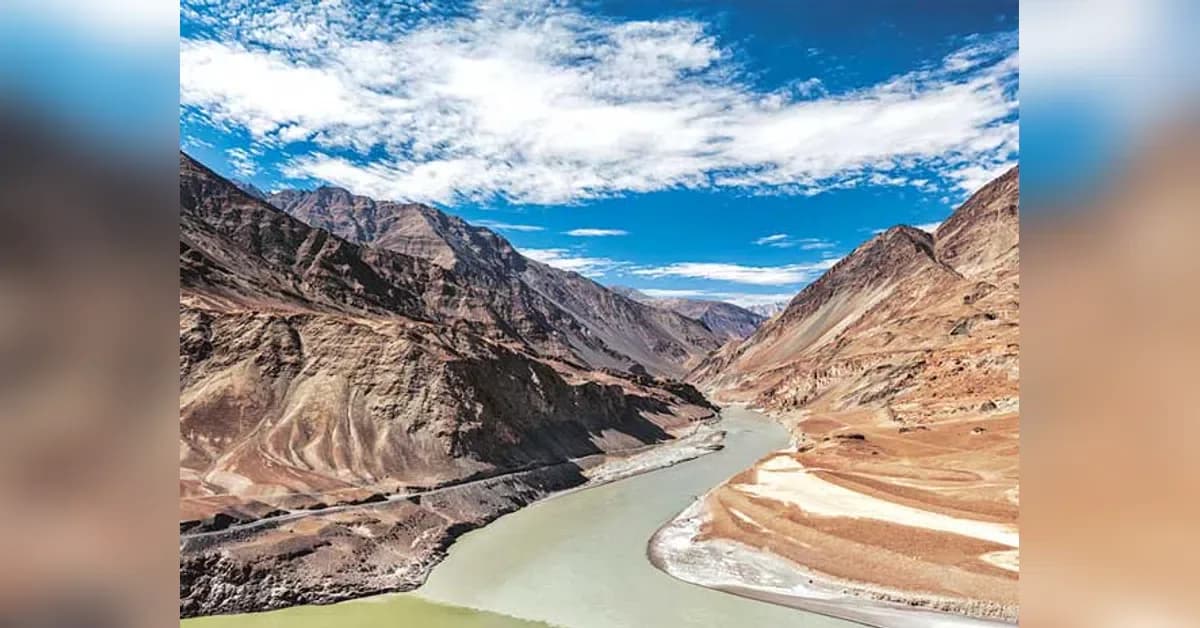
The India-Pakistan water conflict has reached critical levels with India's unilateral suspension of the Indus Water Treaty creating unprecedented regional tensions. As per MO, the Arbitration Tribunal based in The Hague, appointed by the World Bank, ruled on August 31 that the Indus Waters Treaty remains fully in force, strongly refuting India's position. India maintains it will no longer respect the treaty, turning rivers into ticking time bombs since water infrastructure can be used to hold back river water needed for irrigation or cause flooding during monsoon season. Thousands of protesters chanted "Marsoon marsoon, Sindhu na desoon" (We'd rather die in a war than from a lack of water) on July 12 in cities across Pakistan's Sindh province, demonstrating the severity of the crisis.
India's regional influence is being challenged by multiple powers according to a comprehensive analysis by Business Standard. From 2012 to 2026, China conducted 90 high-level visits to South Asian countries while India recorded 111 visits, demonstrating India's superior diplomatic engagement. However, China's top three destinations were Pakistan, Nepal, and Sri Lanka, while India's were Bhutan, Sri Lanka, and the Maldives. The analysis reveals that China supplies arms to all South Asian countries except Bhutan, with Pakistan, Bangladesh, and Sri Lanka being key recipients, while India's main arms relationships are with Bhutan and Nepal.
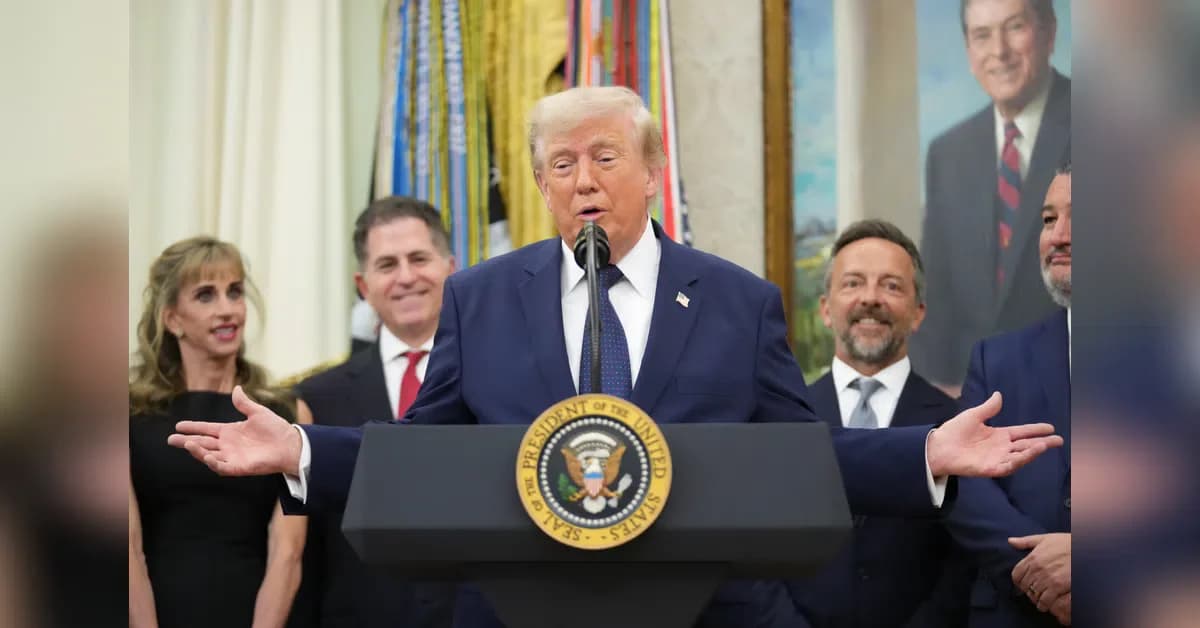
The US-India partnership in South Asia has plateaued significantly, with the analysis highlighting US Ambassador Sergio Gor serving as special envoy for South and Central Asia, bypassing Indian sensitivities. Pakistan's strategic position has strengthened through its role as mediator in the Iran war and cryptocurrency deals with Islamabad, while Trump's administration has shown frequent embarrassment of India over Operation Sindoor, trade issues, and Russian oil purchases. Pakistan has also signed a Strategic Mutual Defence Agreement with Saudi Arabia in September 2025 and the Mecca Joint Defence Agreement with Saudi Arabia and Turkey in August 2026.
India and Bangladesh found themselves in another diplomatic crisis in early August when Sheikh Hasina held a press conference in Delhi on the anniversary of the 2024 uprising. The Indian government's decision to allow this went down badly in Bangladesh, with several leaders responding that such an "insult to the martyrs of Bangladesh" could have negative consequences for bilateral relations. No fewer than 54 rivers flow from India into Bangladesh, with the major river basins of the Ganges and Brahmaputra being part of this system. Bangladesh depends on India for 80 percent of its river water, making the Ganges Water Treaty, which expires on December 11, 2026, critically important for the delta region's agriculture and salinity issues.
Despite being the largest economy in South Asia, India ranks fourth in per capita income and third in GDP growth rates from 2015 to 2024, trailing behind Bangladesh and the Maldives. According to government data, India is positioned as one of the world's largest startup ecosystems but lags behind Sri Lanka, the Maldives, and Bhutan in human development index at 0.685 in 2025. The analysis notes that China leads as the biggest trading partner for all South Asian countries except Nepal, while India remains the second-largest trading partner for the rest of the region.