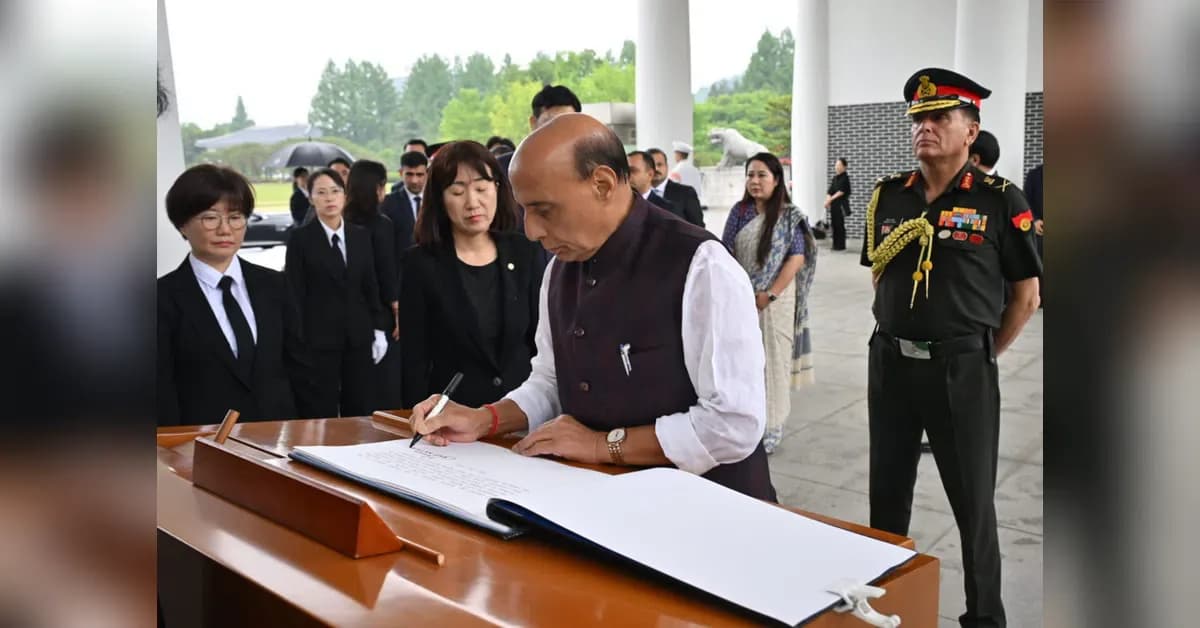
India and South Korea expanded their defence partnership on Wednesday with the signing of three Memoranda of Understanding covering cyber security, military training, and UN peacekeeping cooperation. According to latest reports, Defence Minister Rajnath Singh held wide-ranging talks with his South Korean counterpart, Ahn Gyu-back, in Seoul that reviewed the full spectrum of bilateral defence cooperation. The discussions covered defence production, maritime security, logistics support, military exchanges, emerging technologies and regional security issues. Both sides also underlined the growing strategic convergence between India's Act East Policy and South Korea's regional vision for a free, open and rules-based Indo-Pacific. The MoUs represent formal agreements between the two parties that record areas of cooperation without creating treaty obligations.
The MoUs specifically cover countering cyber threats, protecting critical military infrastructure, and sharing best practices in digital defence, as reported by GKToday. The agreements include cooperation on modern warfare and regional security challenges, reflecting the growing importance of cybersecurity in modern defence cooperation. The latest developments expand this framework to include academic exchanges between India's National Defence College and the Korea National Defence University, and collaboration in UN peacekeeping operations. Both countries have maintained strategic engagement through defence dialogues, military exchanges, and defence industry cooperation.
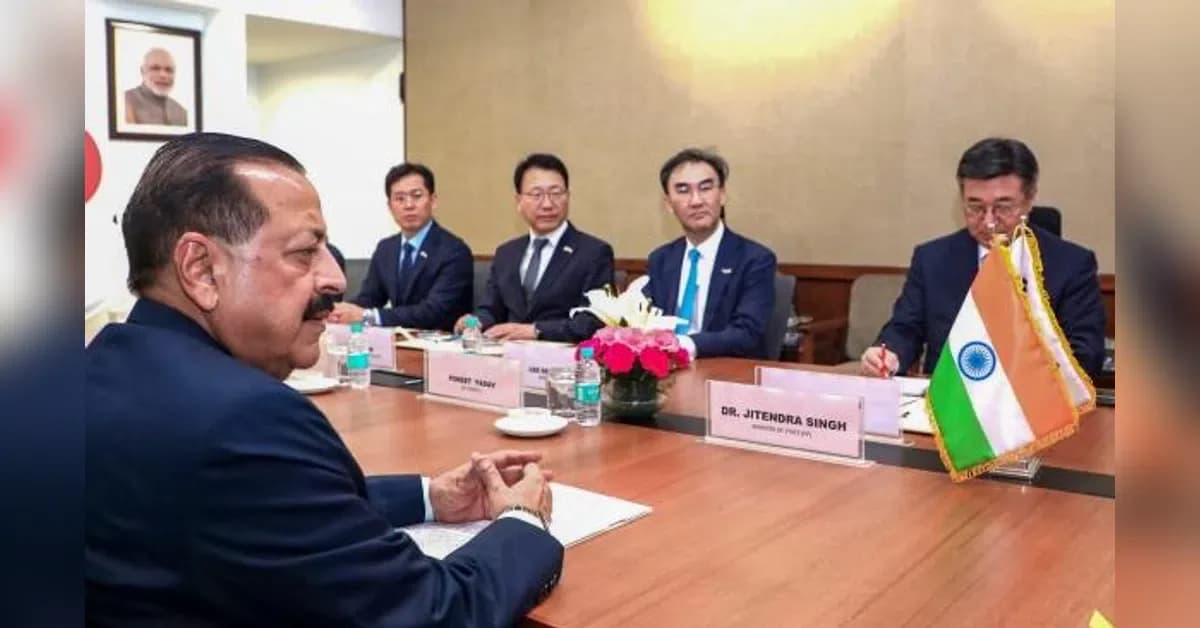
Singh also met South Korea's Minister of Defence Acquisition Program Administration, Lee Yong-chul, and discussed creating avenues for joint development, joint production and joint exports. During the India-Republic of Korea Defence Industry Business Roundtable, Singh chaired the meeting attended by senior officials and leading defence companies from both nations. The meeting focused on opportunities in defence manufacturing, co-development, supply chains and technology partnerships. Singh pitched India as an emerging defence manufacturing hub and invited Korean firms to deepen partnerships with Indian companies. Two agreements were signed between Larsen & Toubro (L&T) and South Korean defence major Hanwha Aerospace to boost cooperation in defence technology and industrial capacity building. A roadmap to unlock the potential of the India-Korea Defence Innovation Accelerator Ecosystem (KIND-X) was also discussed to synergise the innovation ecosystems of both countries.
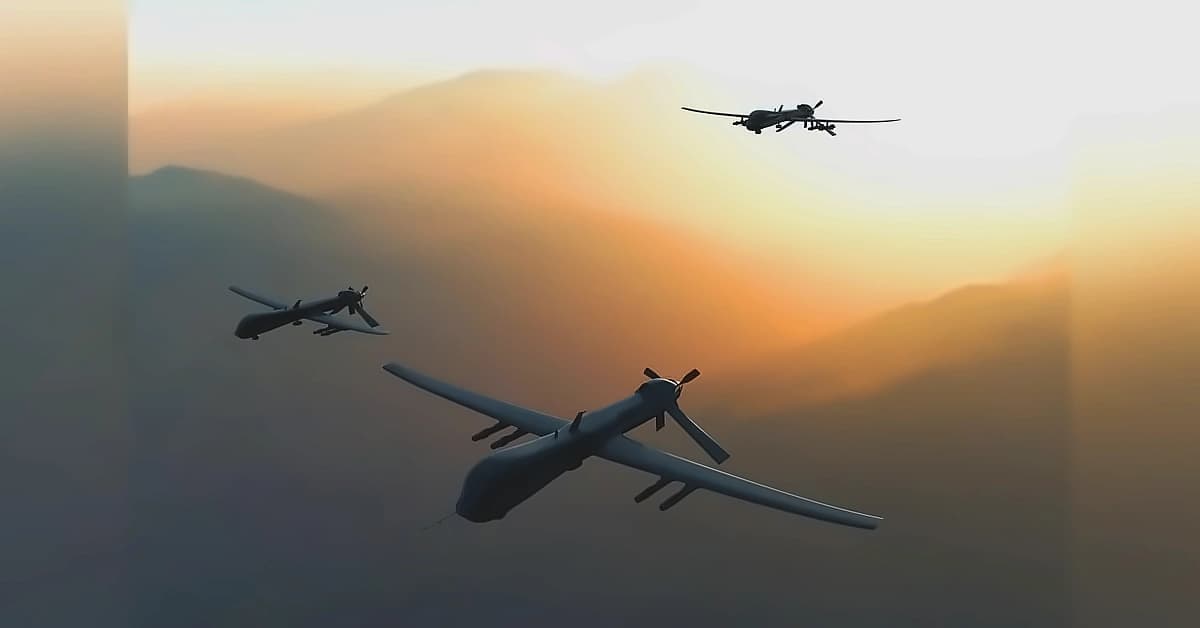
Addressing industry leaders, Singh emphasized that modern warfare increasingly depends on areas such as artificial intelligence, cyber technologies, autonomous systems, semiconductors, quantum technologies and space-based capabilities. He noted that both countries have enormous potential to work together in these domains. Highlighting India's growing start-up and innovation ecosystem, Singh said Indian firms were making significant advances in unmanned systems, AI-enabled platforms, cyber security and defence software. Singh said South Korea's technological strengths, combined with India's manufacturing scale, talent base and innovation ecosystem, offered a strong foundation for future collaboration in advanced defence technologies. The Defence Minister noted that the future of India-Korea defence cooperation lies in innovation-led collaboration.
Singh highlighted India's remarkable defence manufacturing progress, stating that India achieved all-time high figures of approximately ₹1.54 lakh crore worth of defence production and nearly ₹40,000 crore worth of defence exports in FY2025-26. He added that defence exports are poised to reach ₹50,000 crore within the next 1-2 years, while defence production is projected to rise to ₹1.75 lakh crore in the next couple of months. The Defence Minister described Operation Sindoor as a testament to India's transformation into a strong, confident & capable nation, emphasizing that as a responsible nuclear power, India firmly adheres to a policy of No First Use, while remaining committed to its No First Use policy, it will not tolerate any form of nuclear blackmail. Singh noted that the success of India-Korea industrial cooperation in the commercial sector demonstrates the enormous potential of long-term trusted partnerships between the two countries, calling for extension into the defence sector where technology, innovation, manufacturing capability, and strategic trust are becoming increasingly interconnected.