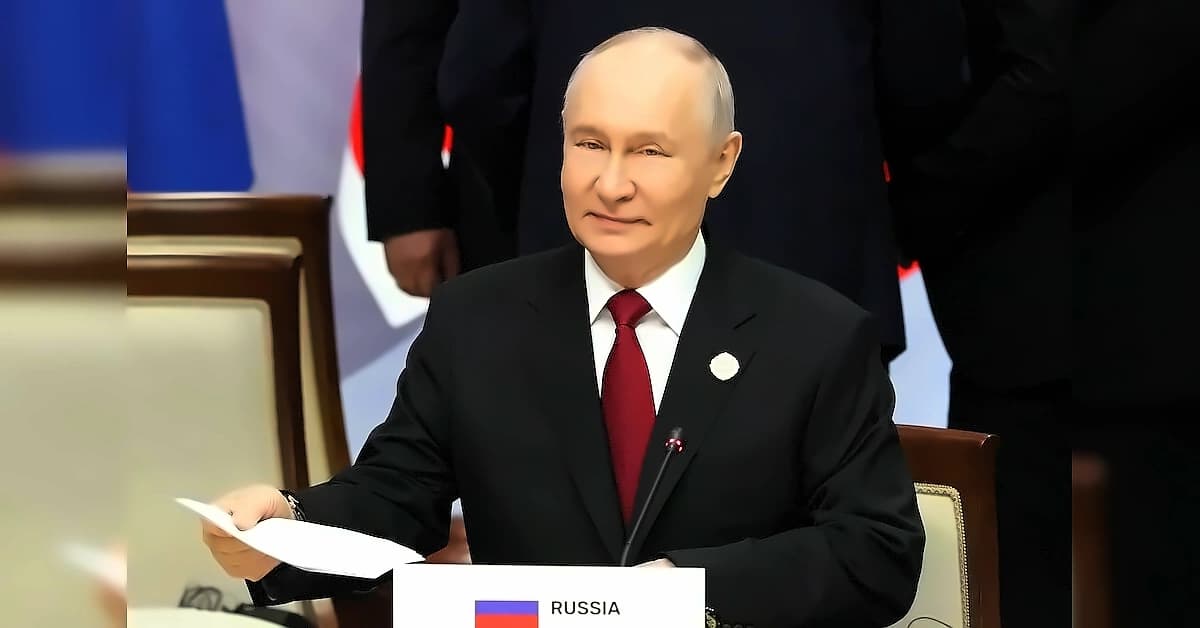
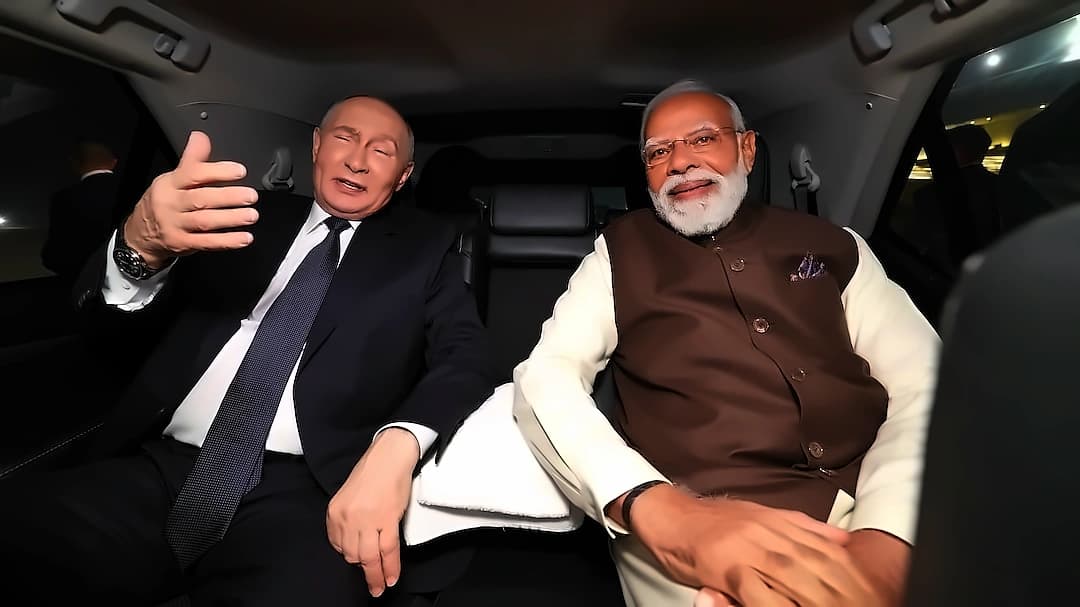
Moscow and New Delhi have launched a series of contacts ahead of the SCO and BRICS summits, with Vladimir Putin receiving Indian Foreign Minister Subrahmanyam Jaishankar at the Kremlin on August 24. According to Izvestia, the Russian president is likely to meet with Indian Prime Minister Narendra Modi twice in the coming weeks, with future meetings being one of the key reasons for Jaishankar's Moscow visit. This diplomatic engagement comes as India faces considerable pressure from the West, primarily the United States, over its relations with Moscow. As the host country of the BRICS summit on September 12-13, India also wants to discuss creating conditions for the Russian side to participate as comfortably as possible while avoiding the risk of escalating tensions with its Western partners.
Despite external pressure, the two sides have managed to further boost their already substantial trade turnover, with Russia also intending to help ensure stability in India's agricultural sector. Putin pledged to increase fertilizer supplies to India, while experts believe energy cooperation, particularly Russian oil supplies, remains central to India-Russia ties. According to Kommersant, India currently has enormous demand for oil, with energy security given the highest priority, as the country meets more than 88% of its oil needs through imports and remains one of the world's third-largest oil importers. Russian oil supplies were likely the central topic of the closed-door talks, particularly amid drone attacks on Russian oil refineries, with political scientists noting that any attacks on infrastructure are obstacles that can be overcome through strengthened cooperation.
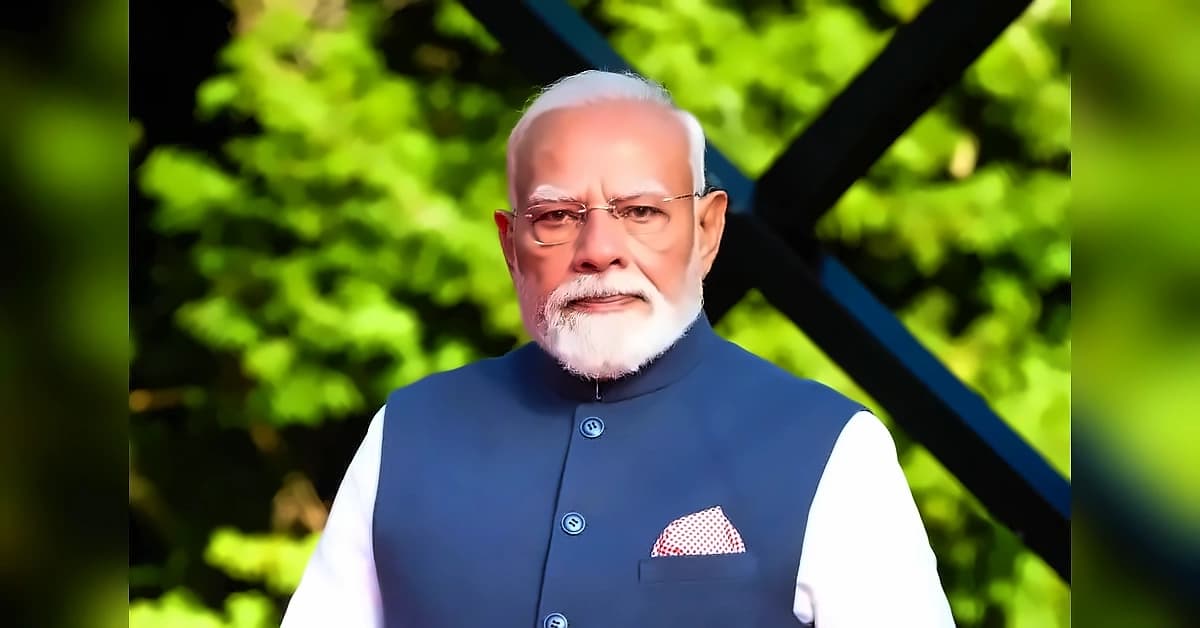
Prime Minister Narendra Modi, Finance Minister Nirmala Sitharaman, External Affairs Minister S Jaishankar, Commerce Minister Piyush Goyal, and National Security Adviser Ajit Doval are spearheading India's robust three-week diplomatic outreach spanning key global capitals and multilateral meetings. This comprehensive diplomatic push will continue until the second week of September when New Delhi hosts the Brics Summit on September 12-13. The initiative includes multiple high-level engagements across Russia, Canada, the United States, Singapore, and other key destinations.
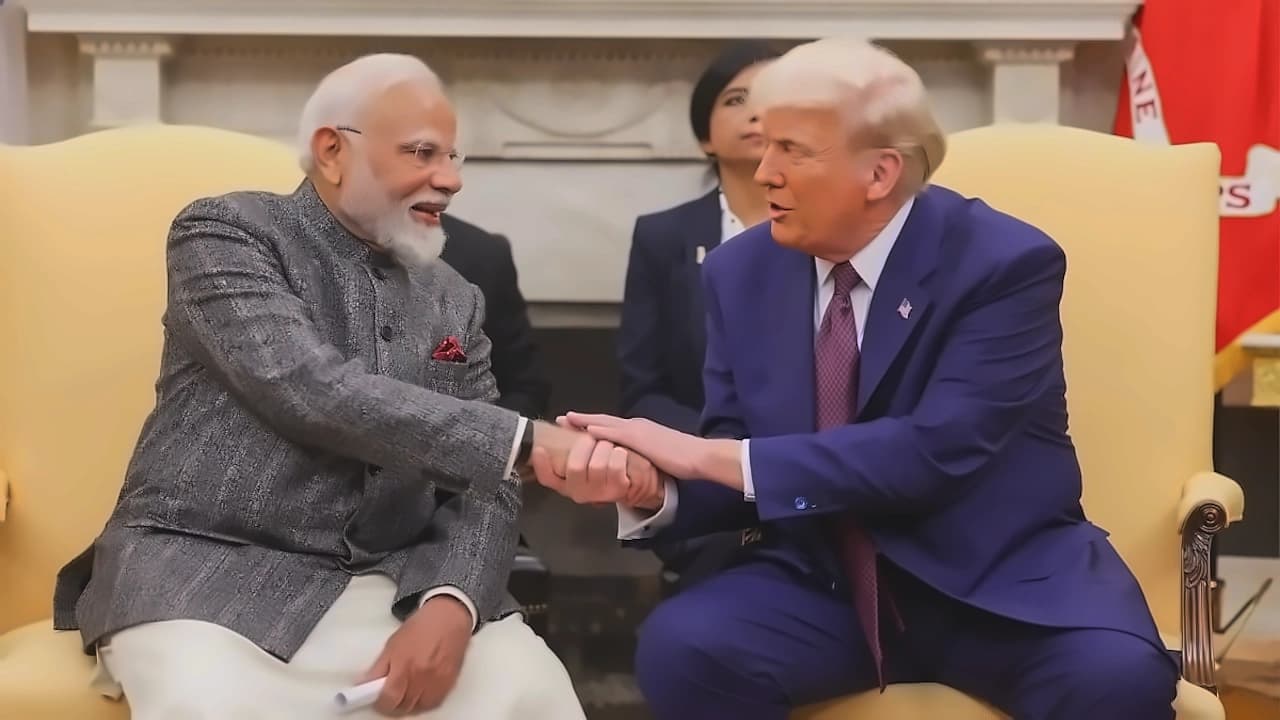
New Delhi continues to seek an increase in Russian investment in India and is working to address the growing imbalance in bilateral trade, which, under agreements reached by the two countries' leaders, is expected to reach ₹8,400 crore by 2030. According to Kommersant, the fact that trade and economic relations remain largely centered on India's purchases of Russian energy resources makes ties between the two countries particularly vulnerable to external pressure. However, how exactly India will navigate between its need for Russian energy resources and the necessity of avoiding punitive US measures remains unclear, with US President Donald Trump having threatened to impose a 100% secondary tariff on goods from countries that continue to purchase Russian oil, gas, and uranium.
On Tuesday, Finance Minister Sitharaman commenced her eight-day official visit to Canada and the United States, as reported by Business Standard. Meanwhile, External Affairs Minister Jaishankar concluded his two-day visit to Russia on Monday evening, while Commerce Minister Goyal is currently in Japan with a 200-strong Indian business delegation. National Security Adviser Doval held Special Representatives talks in Beijing with Chinese Foreign Minister Wang Yi on the India-China boundary question. The ministers had previously visited Singapore on August 20, where India and Singapore signed agreements to strengthen bilateral cooperation in telecommunications, broadcasting, maritime heritage, and food safety.