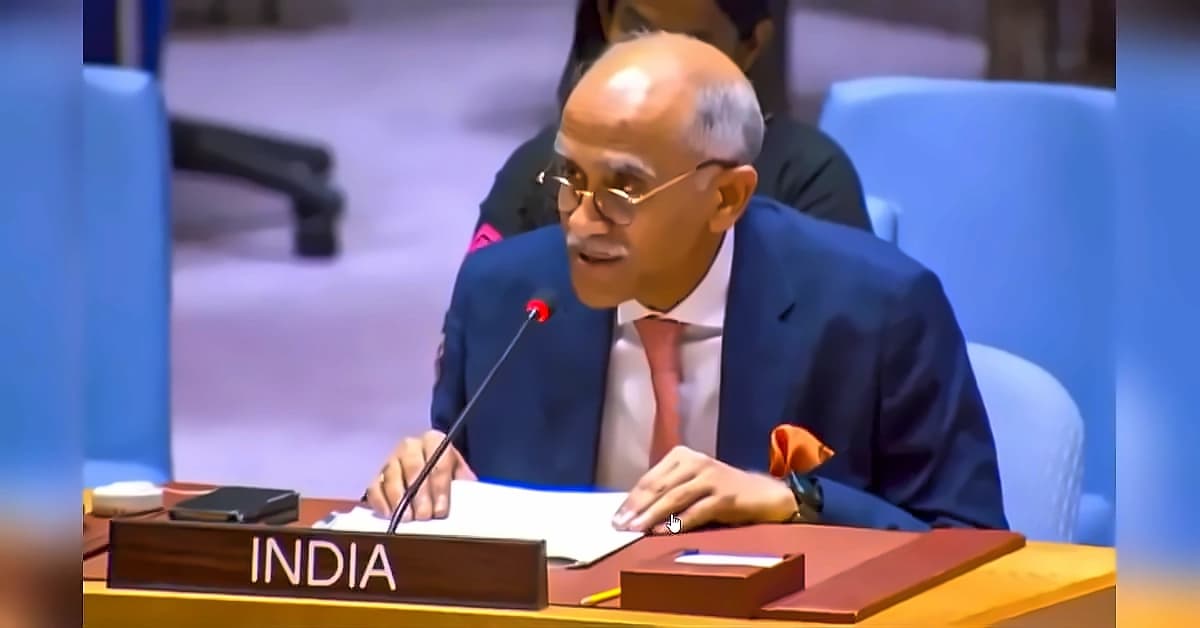
India's External Affairs Ministry on Monday, May 18, condemned a drone strike targeted at the United Arab Emirates' Barakah nuclear power plant on Sunday. According to reports from PTI, the MEA called the attack unacceptable and urged for dialogue and diplomacy. The Ministry stated, 'India is deeply concerned at the attack targeting the Barakah nuclear facility in the UAE. Such actions are unacceptable and represent a dangerous escalation. We urgently call for restraint and a return to dialogue and diplomacy.'
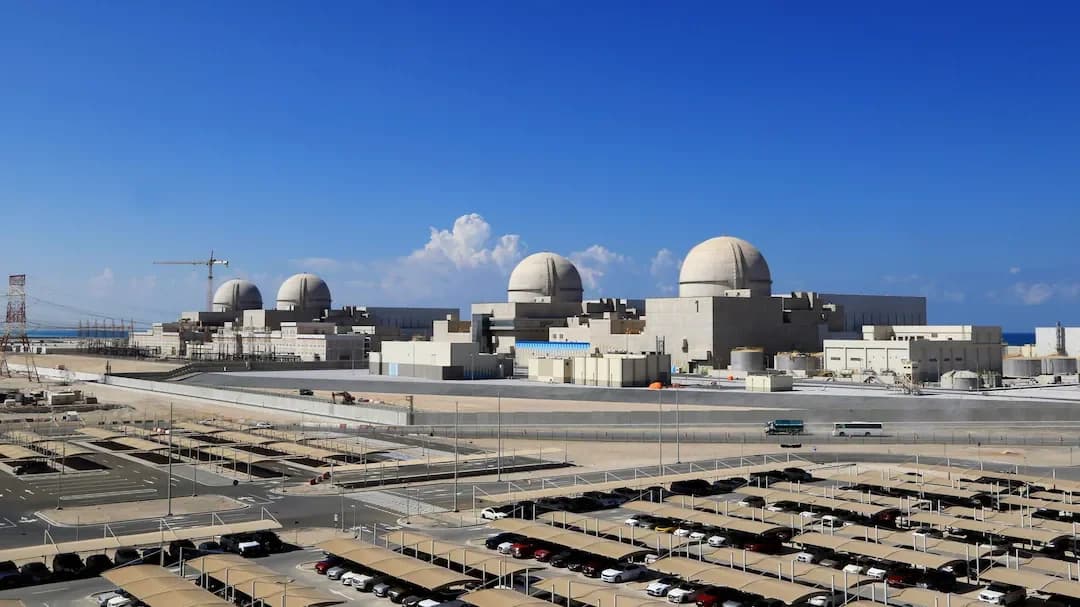
On Sunday, a drone strike targeted the sole nuclear power plant of UAE, Barakah nuclear power plant, sparking a fire on its perimeter. As reported by PTI, the MEA confirmed that a drone had struck an electricity generator located outside the inner perimeter of the nuclear facility, with authorities saying the facility itself was not damaged. The UAE confirmed that three drones entered from the western border, with one striking the inner perimeter of the nuclear facility while two others were intercepted. The blaze was reported on the perimeter of the Barakah nuclear plant, which is situated in the Al Dhafra Region of Abu Dhabi. According to AFP, the plant is responsible for providing nearly one-fourth of the UAE's electricity needs and is near the borders of Saudi Arabia and Qatar. The UAE called the incident an 'unprovoked terrorist attack' and did not blame anyone, while no one claimed responsibility for the strike. However, the UAE's nuclear regulator said on Monday that 'all units are operating as normal' and no damage was incurred on the power plant. UAE officials have now confirmed that a fire occurred near unit 3 of the nuclear facility, while the International Atomic Energy Agency (IAEA) is monitoring safety conditions under watch.
The attack comes amid rising tensions over the Strait of Hormuz, a vital energy waterway gripped by Iran, which is under a US naval blockade. According to PTI, the UAE recently accused Iran of launching drone and missile attacks as tensions have risen over the Strait of Hormuz. The Emirates reportedly hosted air defences and personnel from Israel, which sparked the war by attacking Iran with the US on February 28. US President Donald Trump spoke with Israeli Prime Minister Benjamin Netanyahu on Sunday, with Trump posting on social media shortly after the call, 'For Iran, the Clock is Ticking, and they better get moving, FAST, or there won't be anything left of them.'
The UAE's Ministry of Foreign Affairs (MoFA) affirmed that these attacks constitute 'an unacceptable act of aggression' and a direct threat to national security. UAE foreign minister Sheikh Abdullah bin Zayed Al Nahyan held calls with counterparts in Qatar, Jordan, Saudi Arabia, Kuwait, Morocco, Egypt and Bahrain after the attack, with ministers condemning the attack and reaffirming the Gulf nation's 'full and legitimate right to respond' to it. The UAE warned that attacks on peaceful nuclear energy facilities violate international law, including the United Nations Charter and humanitarian principles, given the potential risks to civilian populations, the environment and broader regional stability. The government reiterated that targeting civilian and vital infrastructure is unequivocally prohibited, calling for an immediate halt to such attacks and adherence to commitments aimed at preventing further escalation. Saudi Arabia also strongly condemned the drone attack and later added that it had intercepted three drones that entered from Iraqi airspace. Though the UAE has not blamed anyone for the strike, it is suspected that Iran was responsible for the attack, with the Islamic Republic having been blamed regularly by the UAE for drone strikes on its energy and economic infrastructure since the beginning of the war in the Gulf since February 28.
The $20 billion Barakah plant can provide a quarter of the UAE's energy, built with the help of South Korea and started operations in 2020. It is the only nuclear power plant in the Arab world and can provide a quarter of the energy needs in the UAE, a federation of seven sheikhdoms. The UAE signed a strict deal with the US over the nuclear power plant, known as a '123 agreement,' in which it agreed to forego domestic uranium enrichment and reprocessing of spent fuel to ease any proliferation concerns. The UAE's nuclear regulator said on Monday that the fire didn't affect plant safety and 'all units are operating as normal.' This marks the first time the four-reactor Barakah plant has been targeted in the ongoing conflict, with Yemen's Iran-backed Houthi rebels having previously claimed to target the plant while it was under construction in 2017. Analysts say the episode reflects a broader and increasingly concerning pattern of nuclear-linked infrastructure being drawn into active conflict environments, with similar concerns having surfaced in the ongoing Iran conflict where Tehran has repeatedly alleged attacks on its Bushehr nuclear power plant.