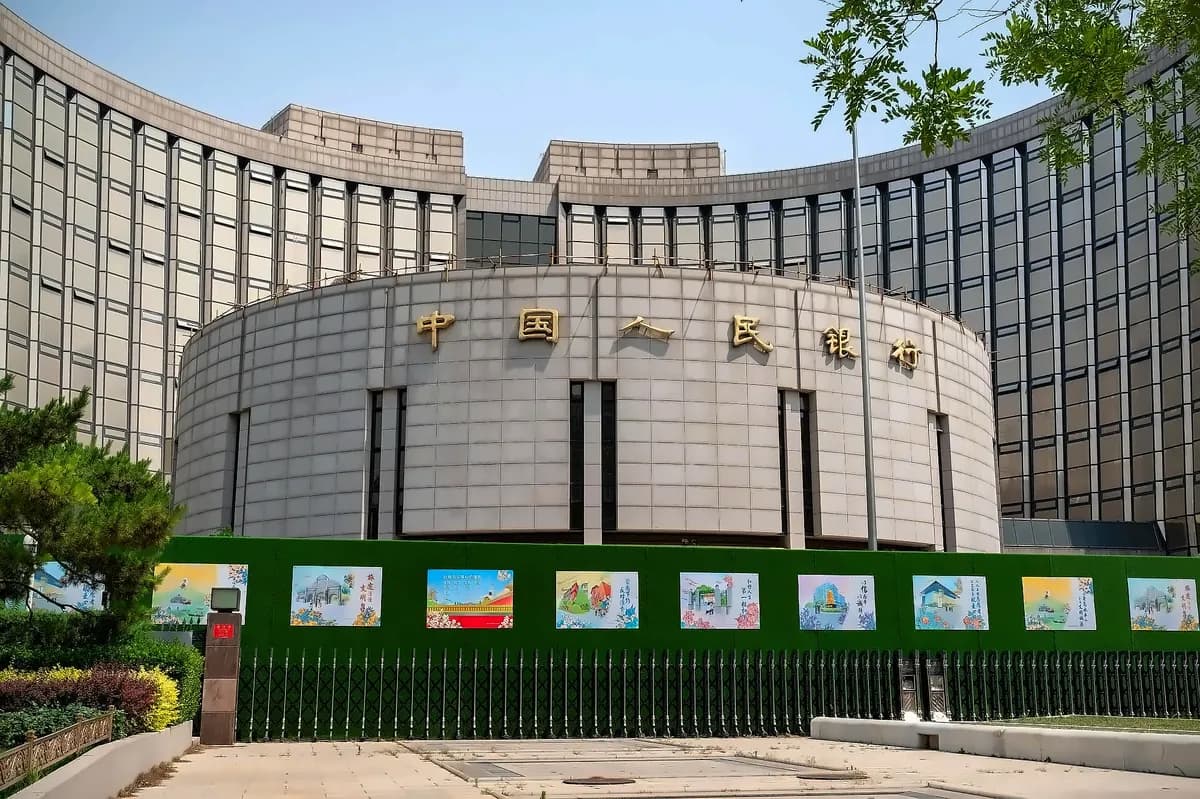
The G20 finance ministers' meeting in Asheville, North Carolina, ended without a joint communique after Treasury Secretary Scott Bessent publicly accused Chinese officials of preventing the group from issuing a statement. According to NDTV, the dispute centered on a single word - the inclusion of the phrase 'non-market' in addressing trade imbalances. Chinese officials viewed this term as a veiled attack on state-owned companies that are fundamental to China's economy, with Chinese negotiators privately receiving support from some countries for their alternative phrasing. The final US chair statement included a line saying countries should agree to 'eliminate non-market policies and practices that exacerbate imbalances', but this fell short of the comprehensive agreement sought by the G20. As Business Standard notes, the fact that Beijing stands isolated on this issue is a signifier of the fact that it has consistently refused to address these concerns, and is now in fact denying that they even exist.
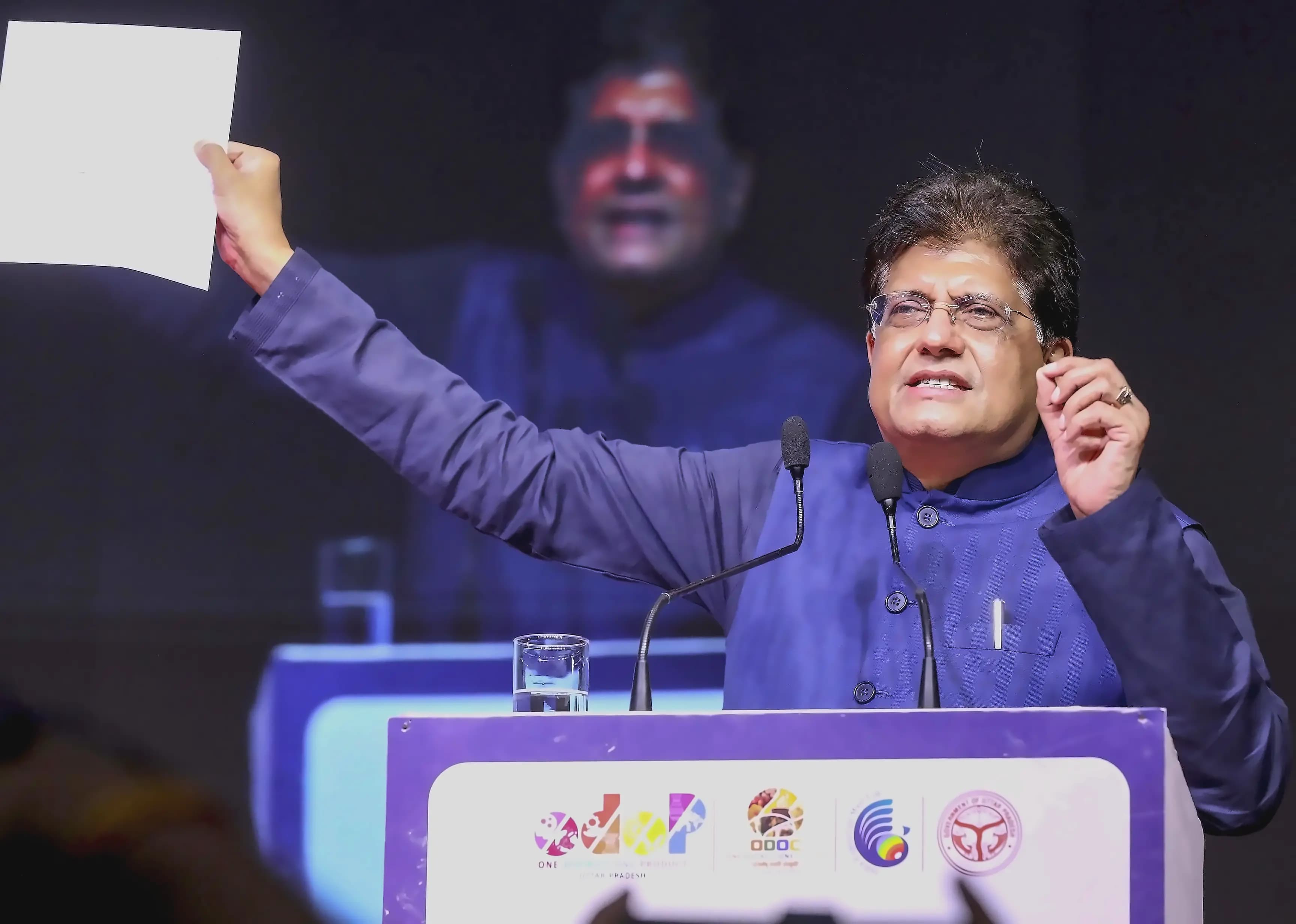
India backed a proposal at the G20 Finance Track calling on countries with excessive and persistent external surpluses to address domestic distortions that constrain consumption and fuel an overreliance on exports for growth. As reported by Business Standard, finance minister Nirmala Sitharaman stated in North Carolina that India is "very much with the US" on these priorities, emphasizing that "growth is the central point for the G20 finance track" and "global imbalances will have to be sorted out." India, which has a trade deficit of over $100 billion with China, supported the G20 proposal targeting countries with excessive external surpluses. The latest developments show 19 of 20 G20 members now backing this position, representing a significant shift from the previous consensus failure. According to Business Standard, the chair's declaration noted that large-scale imbalances are both a cause of major global instability and have negative spillover effects, and are also a symptom of non-market conditions and non-tariff barriers in some of the economies that are party to it.
China's massive export push has pressured economies across the globe, with total exports rising 23.9% in July year-on-year, prompting growing calls in Europe for tougher curbs on Chinese imports. According to SABC News, China's goods trade surplus with the European Union hit €360.6 billion last year, a 15% increase on 2024, and has expanded further this year as Chinese firms have sold more to the EU and imported less. With chronically weak domestic demand, China has doubled down on exports of electric vehicles, semiconductors and other goods, while its yuan currency remains significantly undervalued by most measures. Polish Finance Minister Andrzej Domanski told Reuters that "We do know that Chinese currency is hugely undervalued, that China is supporting, very actively subsidising its exports and this is a problem for Europe as well." Beijing has also exploited its dominance in processing of critical minerals by placing export restrictions on rare earths in April 2025, responding to US President Donald Trump's tariffs that have affected non-US companies.

The G20 committed to strengthening IMF surveillance of global imbalances, with the group asking the IMF to provide more granular scenario analysis, including the costs of inaction. As reported by Business Standard, the statement called on the IMF and OECD to improve data needed to analyse global imbalances, including coverage of non-market policies and practices. The G20 also welcomed work to strengthen the "consistency and evenhandedness" of IMF surveillance of macroeconomic drivers of imbalances. The latest developments show Japanese Finance Minister Satsuki Katayama telling G20 counterparts that arbitrary export restrictions on critical minerals were harming the global economy, with the issue included in the G20 chair's statement urging countries to avoid unnecessary export restrictions. However, officials said the section on global imbalances in the planned joint communique was proving particularly difficult, with China opposed to any singling out of 'non-market economies' or firm words on critical mineral supply curbs.
The two-day finance ministers' meeting came amid a global bond market selloff on worries over growing debt levels and inflation pressures, with Japan's 10-year bond yield hitting 3% for the first time since 1996. According to SABC News, European countries and Canada expressed dismay that Russia, invited by the forum's US hosts, attended for the first time since it invaded Ukraine in 2022. German Finance Minister Lars Klingbeil said the US- and Israeli-led Iran war, together with ongoing US tariff disputes, were major causes of uncertainty holding back the global economy, stating "Uncertainty is poison for economic growth." International Monetary Fund Managing Director Kristalina Georgieva told Reuters she believed China recognized it needed to take action, but called for coordinated action with others, including the US reducing its growing fiscal deficits. The dispute highlights simmering tensions between the world's biggest economies weeks before Chinese leader Xi Jinping heads to Washington for a high-profile summit with US President Donald Trump. Treasury officials said Bessent had called for sound monetary policy to anchor inflation expectations and avoid excessive currency volatility during his meeting with Bank of Japan Governor Kazuo Ueda.