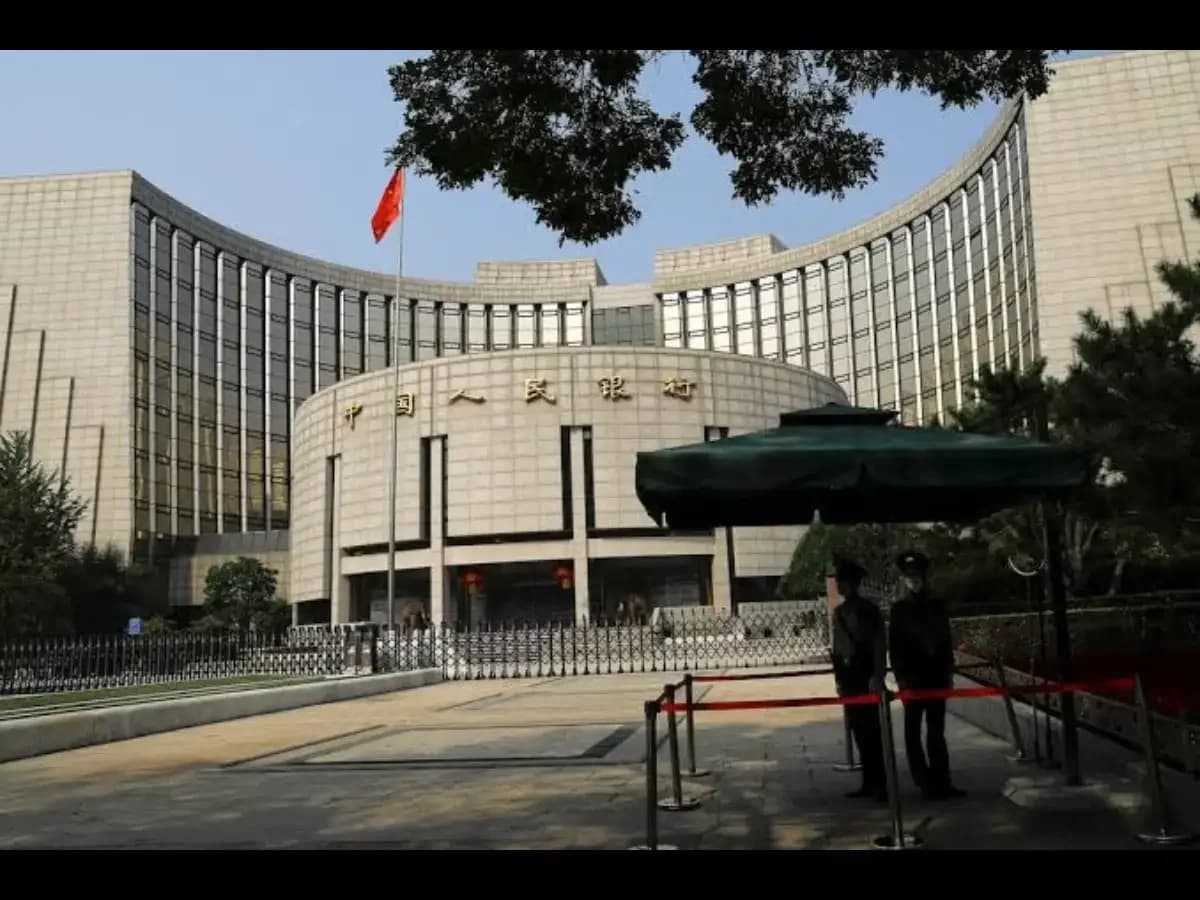
China's central bank governor Pan Gongsheng announced Beijing's support for the International Monetary Fund's enhanced surveillance of fiscal risks in major advanced economies during the International Monetary and Financial Committee meeting at the annual IMF and World Bank gatherings in Bangkok. According to reports from Business Standard, Pan urged the IMF to analyse global imbalances and place greater emphasis on the impact of financial factors such as capital flows on these imbalances.
The announcement comes amid a widespread global bond market rout triggered by surging borrowing costs, chronic high fiscal deficits in major economies, and turbulent investor sentiment. As reported by Business Standard, these challenges have been aggravated by massive capital expenditures in artificial intelligence, creating significant pressure across international markets. Recent IMF analysis highlights the mounting fiscal challenges facing global economies.
An IMF official highlighted that China has several characteristics that make it less vulnerable than other countries with comparable debt levels. According to the latest IMF assessment, China possesses many assets, some of them that are liquid, with the financial account or balance of payments remaining not fully open, which cautions against big movements of capital. The official noted that China pays a relatively low interest rate compared with other countries and maintains a high savings rate, which collectively help reduce fiscal risks. China is already taking actions to tackle economic challenges, with expenditure being used carefully to support the economy's ongoing shift toward greater consumption.
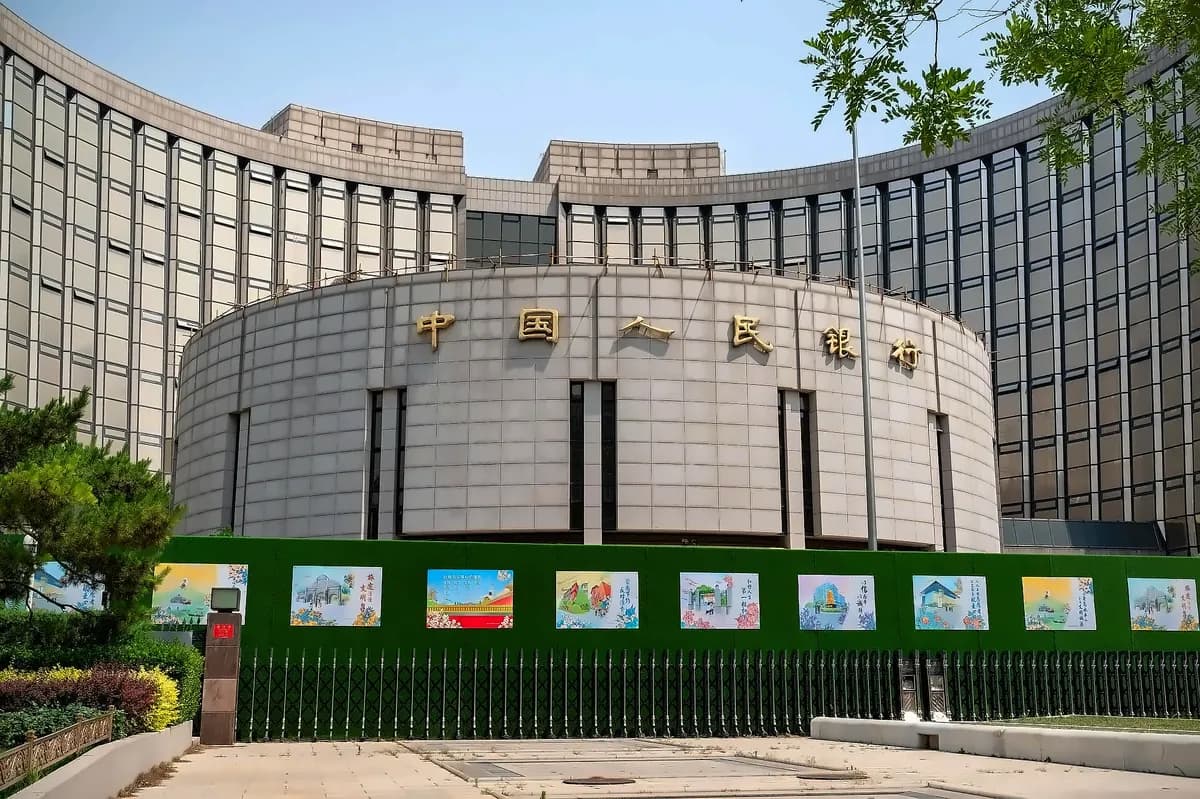
During his address, Pan Gongsheng emphasized China's commitment to supporting the multilateral trading system and opposing all forms of protectionist measures. According to the statement from the bank, this position reflects Beijing's stance on maintaining open trade relationships amid current global economic uncertainties.
The announcement follows earlier comments from IMF Managing Director Kristalina Georgieva, who stated that China must pivot from export-led growth towards more domestic consumption. As reported by Business Standard, this recommendation reflects the IMF's broader push for structural economic reforms across major economies to address current global imbalances. The latest IMF analysis emphasizes the importance of building confidence across all stakeholders in addressing these mounting fiscal challenges.