India's Foreign Ministry has issued urgent calls for de-escalation between Iran and Israel, urging all parties to protect civilians and pursue a diplomatic solution amid renewed tensions in the Middle East. According to Anadolu, the ministry expressed "deep regret" over the latest attacks and warned of their broader humanitarian and economic consequences. "These developments are a matter of utmost concern to the international community," it stated, adding that the conflict has already caused immense human suffering and has had a "debilitating impact on the global economy and energy supplies." The ministry called on all parties to immediately de-escalate tensions, ensure that civilians are not harmed and conclude ongoing negotiations for a diplomatic solution so that peace and stability can return to the region.
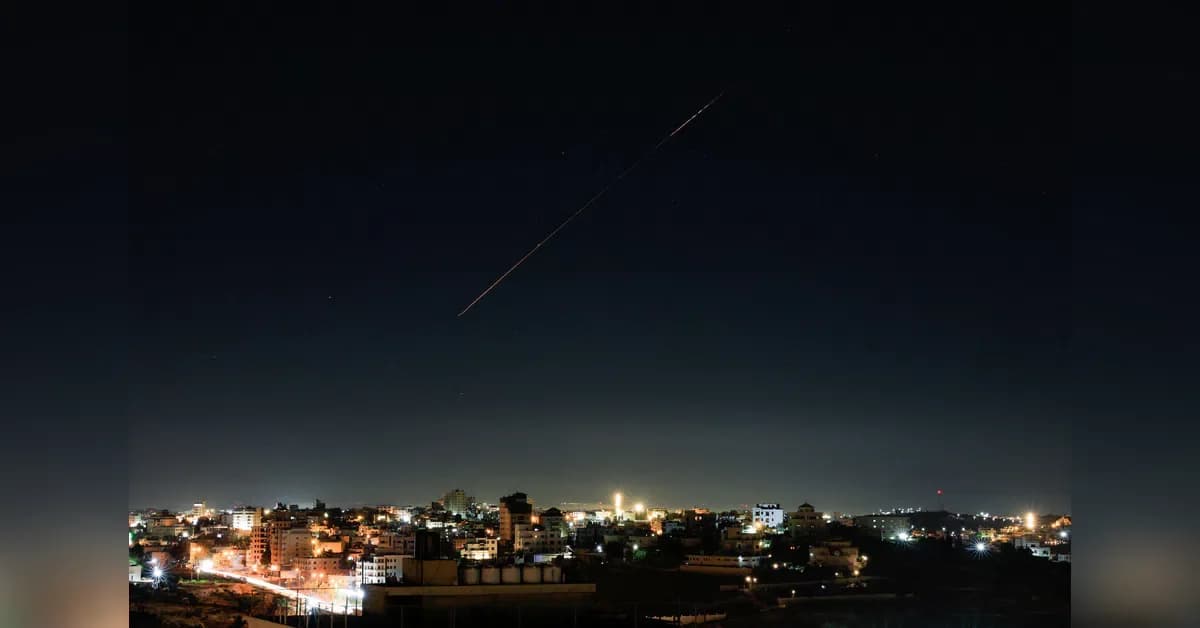
The latest escalation began with Iran launching several missile barrages toward northern Israel late Sunday following an Israeli airstrike on Beirut's southern suburbs. According to Anadolu, Israel said the strike targeted a Hezbollah command and planning center in Lebanon, with preliminary reports indicating the Israeli strike killed two people and injured 11 others. The Iranian attack marked the first such barrage since a fragile ceasefire took effect in April. Israel has since retaliated directly, launching a "large-scale strike on strategic defense systems" across Iran, according to the Israeli military. Iranian state news media reported large explosions and smoke plumes in Tehran on Monday, with the missile launches coming after Israeli strikes on Beirut, which reportedly left two people dead and around 20 others injured. The latest hostilities mark one of the most serious escalations since a ceasefire was reached earlier this year following weeks of confrontation between the two countries.
India has issued its strongest advisory yet for Indian nationals in Iran, urging those currently in the country to leave through available transport options at the earliest while advising other Indians to avoid travelling to Iran until further notice. According to Goodreturns, the Indian Embassy in Tehran advised Indians to avoid all non-essential travel to Iran and urged those currently in the country to exit by available means of transport at the earliest. The embassy also advised "Indian nationals are advised to avoid all non-essential and unnecessary travel within Israel until further notice" and urged all Indian nationals "to remain in close proximity to designated shelters and familiarize themselves with the nearest protected spaces in their area of residence or work." In Israel, the Indian Embassy strongly advised Indians to strictly adhere to safety guidelines and instructions issued by Israeli authorities, with around 40,000 Indians currently living in Israel and 9,488 Indians including students in Iran when the conflict began on February 28. The government has also requested Indian nationals in Iran to remain in contact with the Indian Embassy and keep track of official updates and emergency communications.
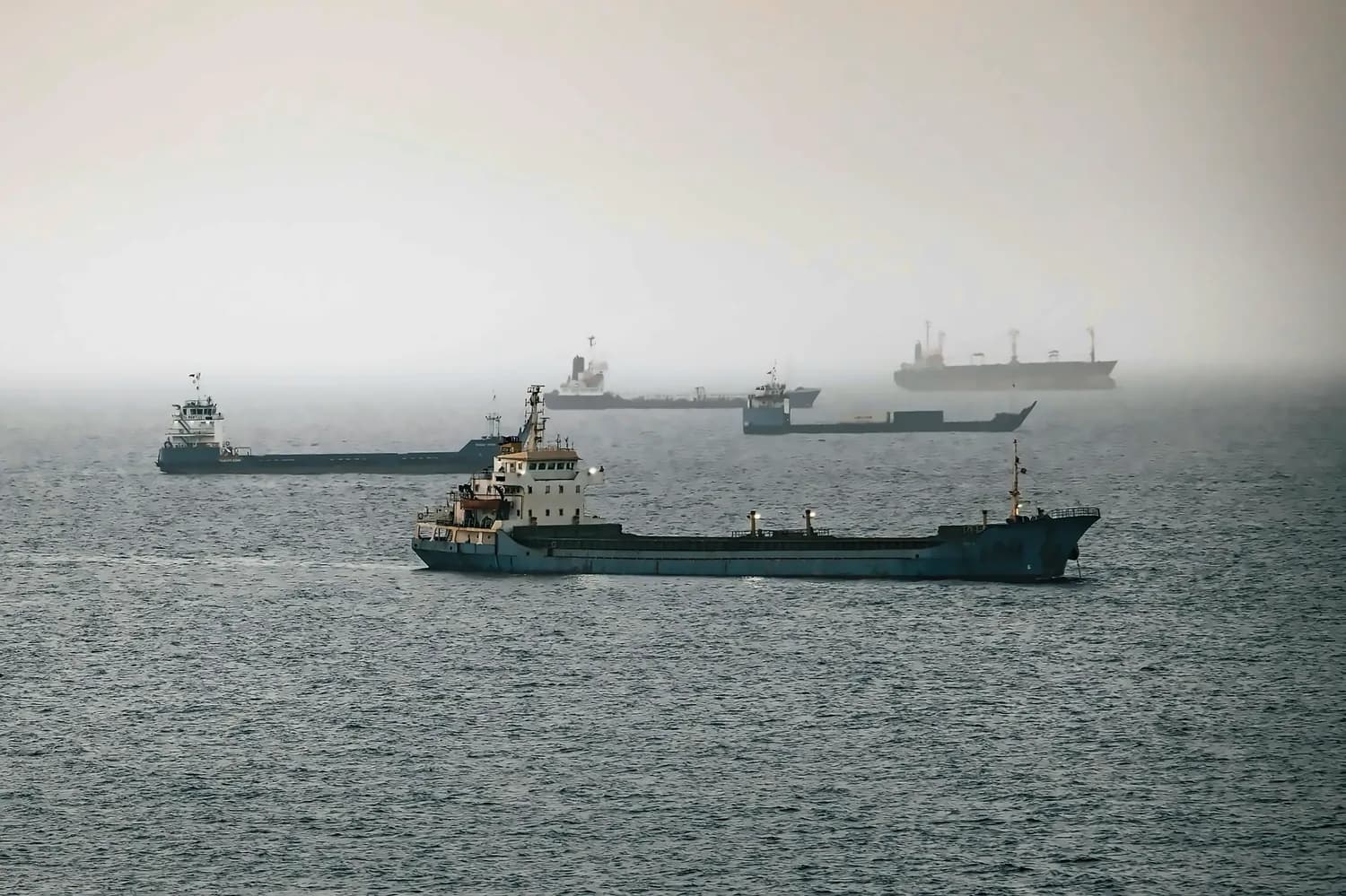
A significant maritime incident occurred on Monday afternoon involving an oil tanker carrying 24 Indian seafarers off the coast of Oman. As reported by Business Standard, the Madagascar-flagged MT Marivex reported a fire around 1.30 pm, but the vessel was empty and located well outside the Strait of Hormuz. Opesh Kumar Sharma, a director in the Ministry of Ports, Shipping and Waterways, confirmed that all Indian seafarers were safe, with the tanker issuing a distress call after reportedly coming under attack while sailing towards the Omani port of Duqm.
The MEA highlighted the broader implications of the conflict, stating that it has had a debilitating impact on the global economy and energy supplies. According to Business Standard, more than 1,800 Indians have returned to India so far, with the ministry urging parties to conclude negotiations for a diplomatic solution to restore peace and stability to the region. The advisories come as the conflict enters its second month, with both countries maintaining their military positions despite international calls for de-escalation. Analysts warn that any further escalation could have significant implications for regional security, global energy markets and international travel, prompting governments to closely monitor developments and issue advisories for their citizens.