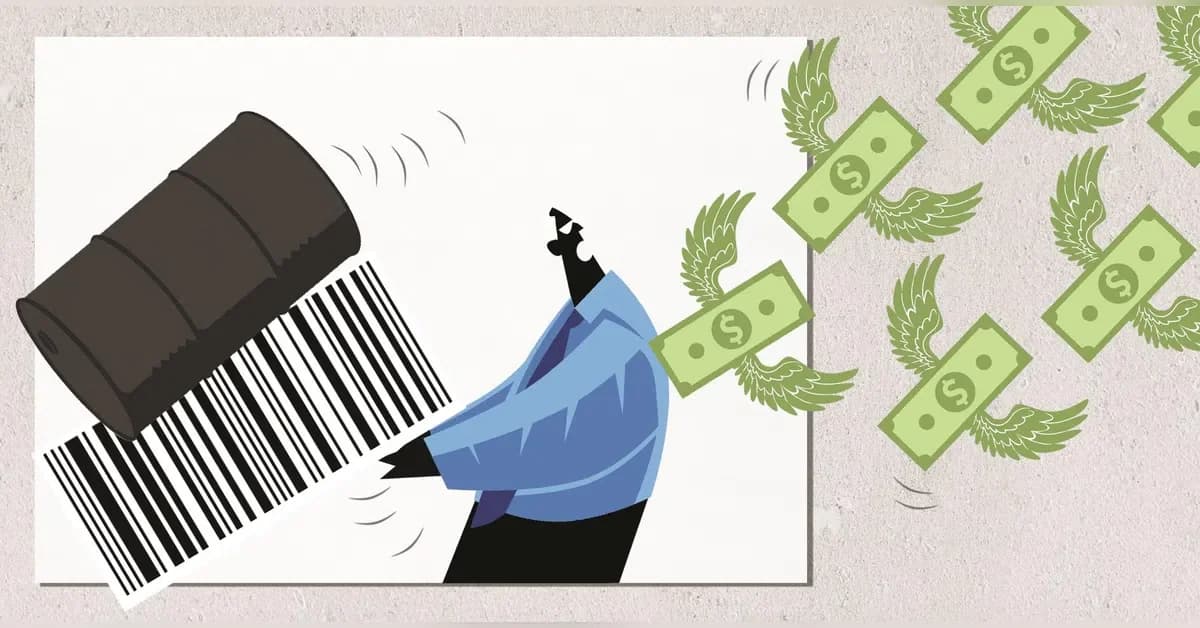
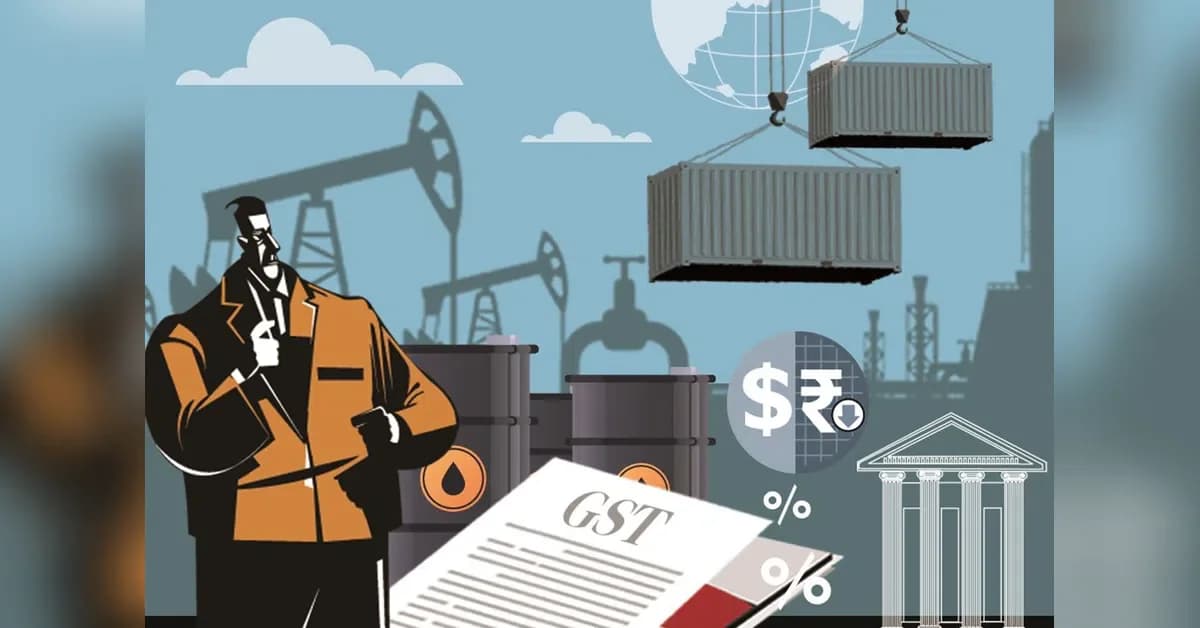
The International Monetary Fund (IMF) has cautioned governments against resorting to broad-based subsidies to shield households from price shocks arising from the conflict in West Asia, holding that such measures could strain their already tight public finances. According to reports from Business Standard, the multilateral financial institution has suggested rolling out 'temporary, targeted, timely and tailored fiscal measures' to manage the challenges. Governments should reserve measures such as generalised subsidies and price caps for truly exceptional shocks, as 'measures not designed thoughtfully can be fiscally costly and difficult to unwind'. The IMF's latest guidance emphasizes that 'subsidising the shock and waiting for it to pass will not answer a crisis whose full impact still is not visible', warning against blanket subsidies that distort markets and disproportionately benefit wealthier households.
The Indian government in late March cut excise duty on petrol and diesel to provide some cushion to oil marketing companies (OMCs) against high crude oil prices without raising retail prices. However, mounting under-recoveries eventually led OMCs to raise pump prices by nearly ₹4 per litre this month. As reported by Business Standard, the price of Brent crude has jumped more than 60 per cent and has mostly stayed above $100 per barrel since the onset of the US-Iran war on February 28. The Centre's recent cut in excise duty on petrol and diesel is expected to weigh on indirect tax collections in FY27, while possible slower growth may constrain direct tax buoyancy. The government has already missed its direct tax collection target in FY26 and requires an ambitious 15 per cent growth in direct tax receipts in FY27 to meet the Budget target.
According to the IMF, the Centre's recent cut in excise duty on petrol and diesel is expected to weigh on indirect tax collections in FY27, while possible slower growth may constrain direct tax buoyancy. The government has already missed its direct tax collection target in FY26 and requires an ambitious 15 per cent growth in direct tax receipts in FY27 to meet the Budget target. On the expenditure side, the government is already anticipating an overshoot in fertiliser subsidy and high crude petroleum prices are likely to raise the oil subsidy bill in FY27. The IMF warns that 'for every €100 spent on fuel or electricity subsidies, the richest 20% of households could receive roughly three times more support than the poorest 20%', highlighting the regressive nature of broad-based subsidies.
According to the IMF, governments can adopt targeted cash transfers to people through existing social assistance systems, which can preserve price signals while limiting fiscal costs. As reported by Business Standard, if coverage is insufficient, governments can temporarily top up payments or widen eligibility, including to lower- and middle-income households that are at risk of falling into poverty. For very large but temporary shocks, additional measures may include one-time rebates or spreading price increases over time, helping households cope without freezing prices outright. The IMF emphasizes that 'support for farmers should reflect their exposure to fertiliser and fuel costs, while preserving incentives for efficiency and continued production', noting that 'when fuel and energy are made artificially cheap, firms and households have fewer incentives to adapt to scarcity'. Farm ministers have called for immediate action on fertiliser crisis, with farmers facing 20-60% price increases for urea if supplies are available at all.
For businesses, governments should address short-term liquidity problems through sovereign-guaranteed loans, credit lines, or short-term tax and social-security deferrals. India has already moved towards this recommendation, with the government rolling out the Emergency Credit Line Guarantee Scheme (ECLGS 5.0) with an outlay of ₹18,100 crore to support micro, small and medium enterprises (MSMEs), airlines and other businesses in meeting working capital needs. Under the scheme, banks can extend government-guaranteed loans, covering 100 per cent of losses for MSMEs and 90 per cent for larger firms and airlines through the National Credit Guarantee Trustee Company Limited. The IMF recommends that governments should also 'stabilise markets and maintain supply flows through alternative trade routes' and focus on 'building resilience, including strategic fertiliser reserves, renewable energy expansion, and more sustainable fertiliser production systems that reduce dependence on fossil fuels'.