The oil price shock poses significant threats to India similar to the challenges faced during the 1970s, according to economic analysis. The central problem lies in sustained difficulties of private investment, which forms the core of Indian economic growth. As reported by Business Standard, the last time the domestic private sector achieved a one-year gain of net fixed assets above 20 per cent in nominal terms was 2009-10, while the last time this metric crossed 10 per cent was 2019-20. The Indian private corporate sector is currently exhausted and risk-averse, requiring comprehensive policy intervention to generate a sustained private-investment cycle.
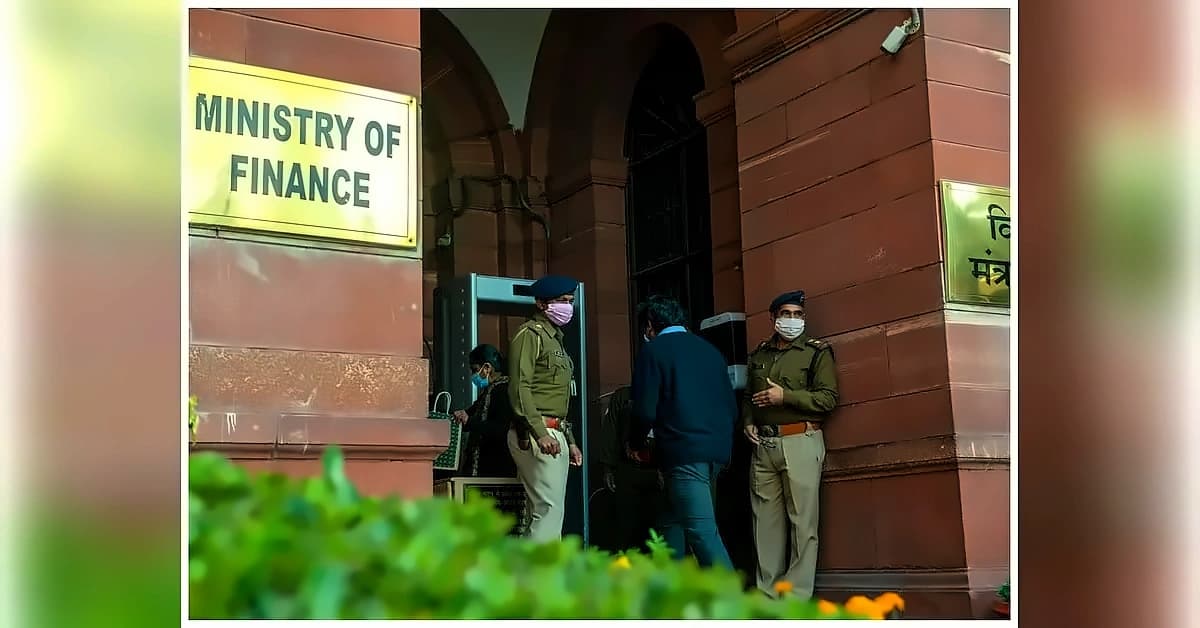
Economic experts advocate for ten key policy initiatives to navigate current challenges. The first priority involves allowing oil price shocks to fully pass through to consumers, as controlled prices introduce distortions and strain fiscal balance. Second, macroeconomic shocks must fully pass through into exchange rates, with flexible rates acting as necessary shock absorbers. Third, high-productivity firms and exporters require enhanced access to global financial systems through comprehensive capital-account liberalisation, requiring expert committee design and legal instrument drafting by the Ministry of Finance.
Fourth, higher fuel prices and currency depreciation generate inflationary pressures, requiring improved macroeconomic stability. The analysis suggests narrowing the Reserve Bank of India's inflation tolerance band from 2-6 per cent to 3-5 per cent, while amending the RBI Act to give non-government economists super-majority in the Monetary Policy Committee. Fifth, fiscal prudence requires designing a structural path for sustained primary surplus of 0.5 per cent of GDP through Budgets for 2027 and subsequent years, with expert committee oversight.
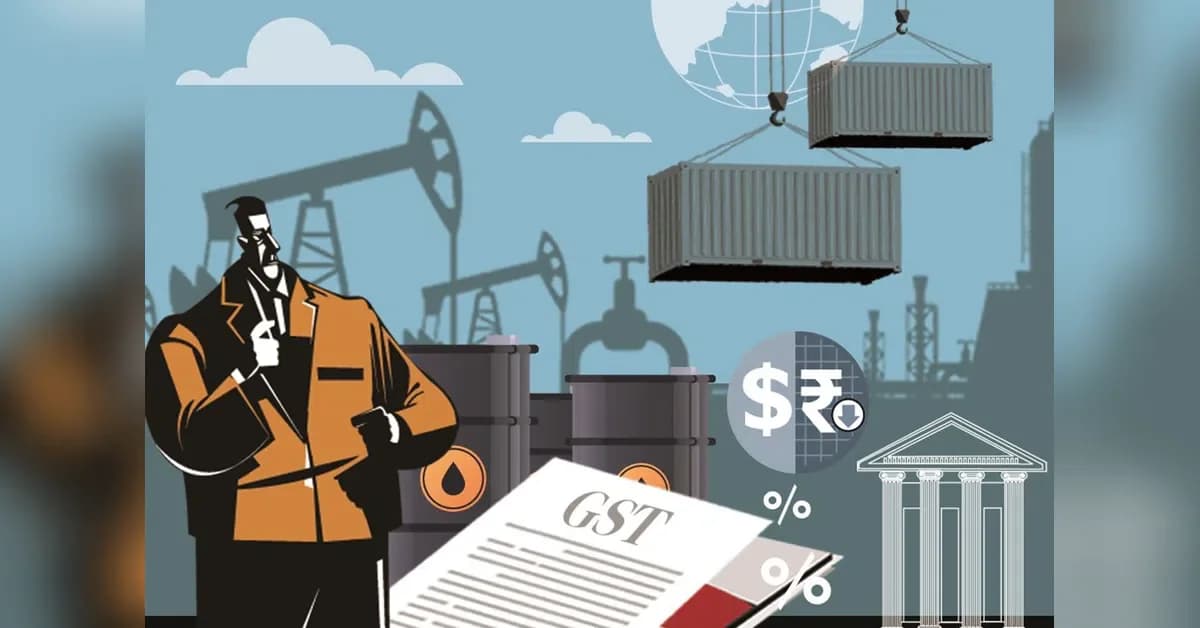
Sixth, firm internationalisation requires deep trade agreements with Organisation for Economic Cooperation and Development members, excluding the US, featuring greater Indian trade liberalisation than existing EU and UK agreements. Seventh, the indirect tax system requires removing barriers to input tax credit within GST and transitioning to a single rate of 10 per cent. Eighth, global foreign direct investment and portfolio investors need reassurance through international arbitration and tax arbitration mechanisms, moving away from economic nationalism and tax activism that has reduced foreign firm confidence.
The analysis emphasizes that economic agents require an Indian state committed to rule of law and globalisation, with greater discipline in policy implementation. As noted by the expert, economic agents observe the Indian state over time and only gradually allocate capital, citing historical examples where reforms yielded private investment booms only by 1995 (post-1991 Budget) and 2003 (Vajpayee government reforms). The strategy requires project management and technical capacity, building on the government's three successful initiatives: inflation targeting, GST, and the Insolvency and Bankruptcy Code.