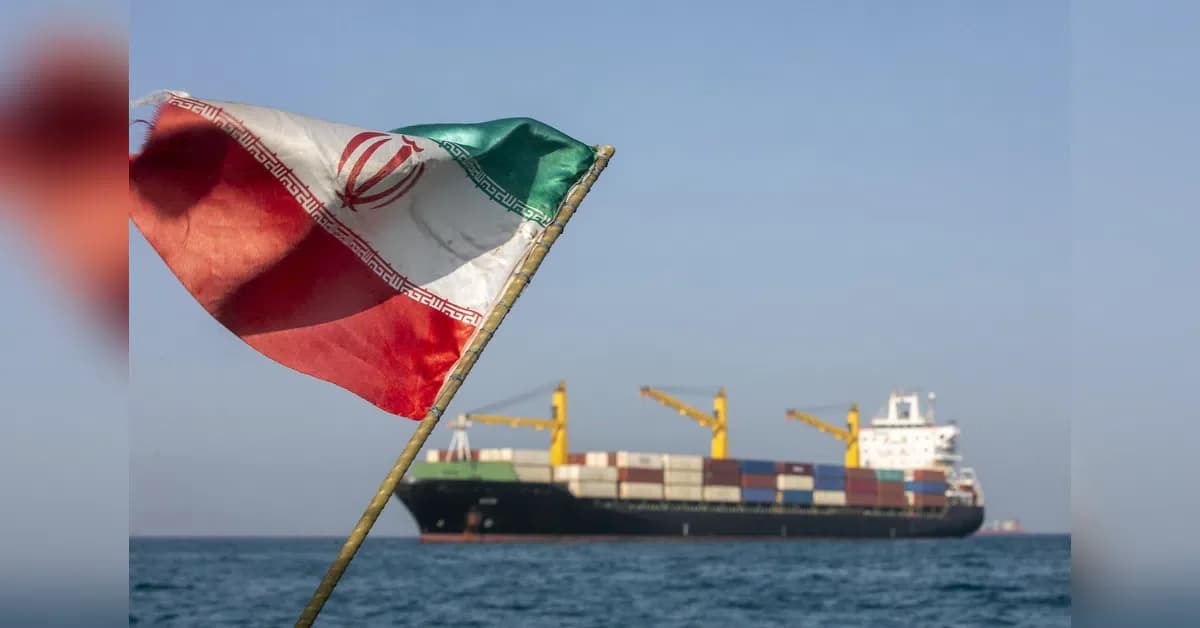
Iran's armed forces have announced the end of military operations against Israel, according to the Fars news agency, though they warned of harsher attacks if Israel resumes attacks on Lebanon. As reported by AFP, Iran's Islamic Revolutionary Guards Corps (IRGC) launched a missile attack on a petrochemical plant in the northern Israeli city of Haifa in retaliation for Israeli strikes on the Karun petrochemical plant in Mahshahr. US President Donald Trump claimed that Israel and Iran are 'looking to do an immediate ceasefire' and that 'final negotiations on peace' are under way, without providing further details. The ceasefire announcement comes after Israel's Channel 12 news channel reported that Israeli strikes on Iran are being halted per Trump's request, though the IDF will reportedly attack southern suburbs in Beirut if Hezbollah attacks Israeli towns.
The European Union announced its first sanctions under new freedom of navigation powers against Iranian officials and entities blocking the Strait of Hormuz. According to AFP, the EU sanctioned the IRGC Navy's Hormozgan Provincial Command, Mohammad Akbarzadeh, and Hamid Hosseini for endangering marine trade freedom. Akbarzadeh represents Iran's Oil, Gas and Petrochemical Products Exporters' Union, while Hosseini serves as the IRGC Navy's deputy commander for political affairs. EU foreign policy leader Kaja Kallas stated that member states have authorized sanctions against Iranian organizations and individuals involved in obstructing transit through the Strait of Hormuz, calling Iran's actions 'not acceptable'. As reported by AFP, this marks the first time the EU has implemented its new freedom of navigation regime, with Kallas indicating 'we will apply it again when necessary'.
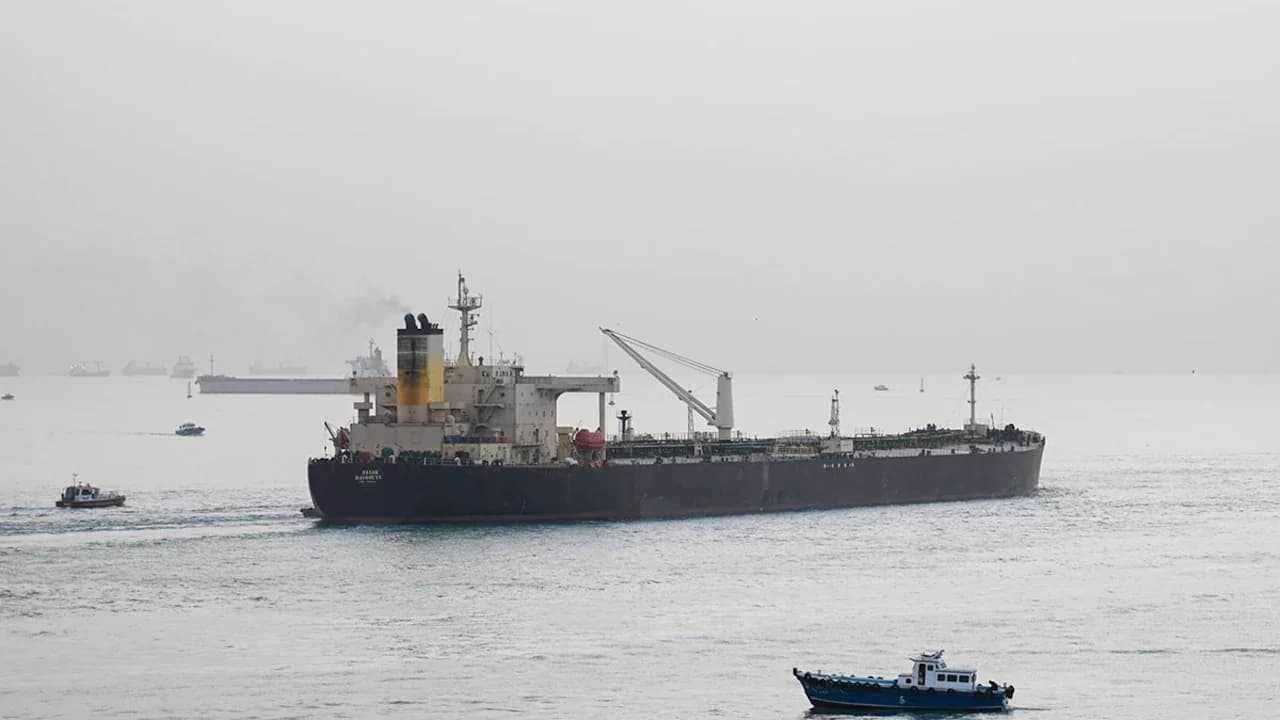
The Houthis, an Iran-backed militant group controlling much of Yemen, declared a complete and total ban on Israeli maritime navigation in the Red Sea on Monday. According to reports from NDTV, the group stated that 'We consider all enemy movements to be legitimate military targets for our armed forces'. This declaration threatens a key bypass route to the Strait of Hormuz, which has become increasingly important as regional tensions escalate. The ban comes as the Iran war enters its fourth month with hostilities flaring across the region, forcing key Middle Eastern exporters to find alternative routes to global markets.
The Strait of Hormuz blockade has created significant economic impacts as around a fifth of the world's oil flows through this critical waterway. As reported by AFP, after US-Israeli strikes on Iran started on Feb. 28, Iran took action to block the Strait of Hormuz, resulting in energy prices skyrocketing as the Iran war continues. The EU's sanctions include asset freezes, travel restrictions, and prohibitions on EU nationals and businesses providing financial resources to listed individuals. The sanctions also make it illegal for EU nationals and businesses to provide money, assets, or other financial resources to anyone on the list, representing comprehensive financial restrictions on the targeted entities.
Maritime intelligence agency Vanguard Tech advised caution regarding the Houthis' statement, stating that 'vessels operating in the region should maintain heightened vigilance and conduct enhanced affiliation screening'. According to NDTV, while the Houthis' statement doesn't amount to a ban on commercial shipping in the Red Sea, the broad wording used in their declaration warrants increased vigilance for vessels in the region. The EU sanctions add another layer of security concerns as they target specific Iranian entities involved in the blockade operations.
The Houthis previously began attacking ships in 2023 following the outbreak of Israel's war in Gaza, targeting vessels deemed linked to Israel with a very broad definition. As reported by NDTV, a large number of ships were affected and carriers would sometimes be attacked by mistake, causing traffic through the waterway to collapse. The current escalation follows Israeli bombings in Iran after an IDF strike on Beirut's southern Dahiyeh area, which prompted Iranian ballistic missile attacks on Israel. Iran and the Houthis in Yemen launched additional missile attacks on Israel as a result of these strikes, further complicating regional security and trade routes.