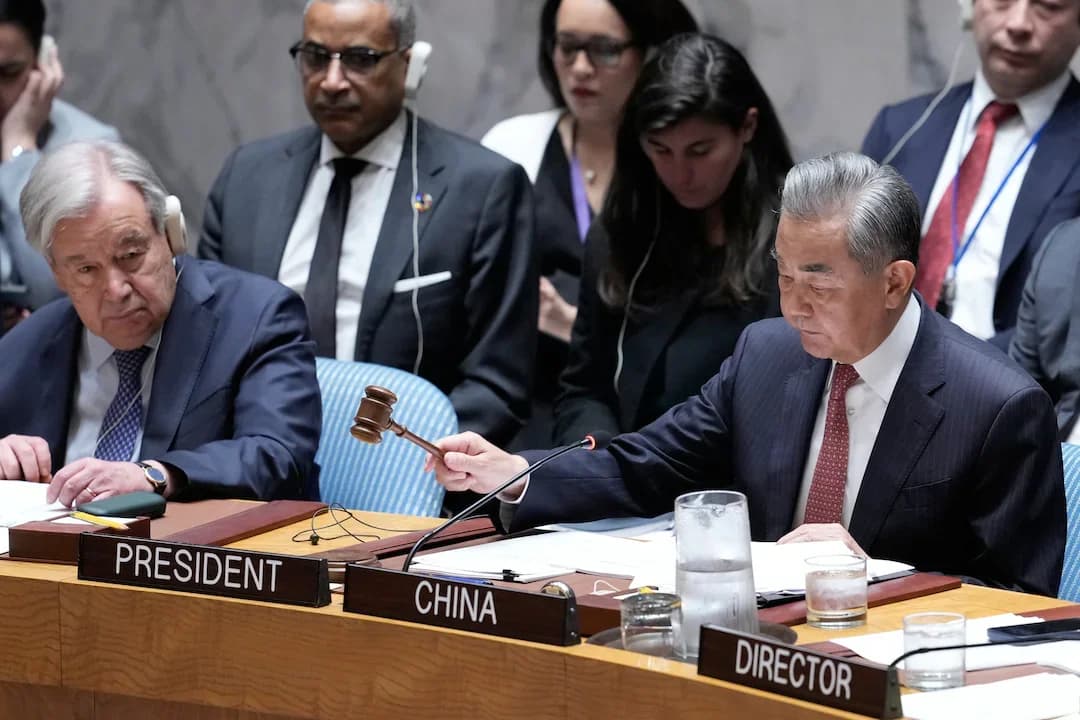
China has expressed strong support for Pakistan's role as a mediator in the ongoing US-Iran conflict, with Foreign Minister Wang Yi stating that 'We support the active mediation by Pakistan and other countries' during a UN Security Council debate. Speaking to reporters, Wang emphasized that 'Regarding the current situation, the key is the negotiation between the United States and Iran because they are the major parties concerned.' The Chinese Foreign Minister noted that 'We also support efforts made by the United States and Iran, respectively,' while presiding over the UN Security Council debate on 'Upholding the purposes and principles of the UN Charter and strengthening the UN-centred international system' for May 2026. Wang added that 'As we have been saying, it takes more than one cold day to freeze three feet of ice, and long-standing issues cannot be resolved overnight,' expressing hope that every step forward in negotiations brings more hope for peace in the Middle East.
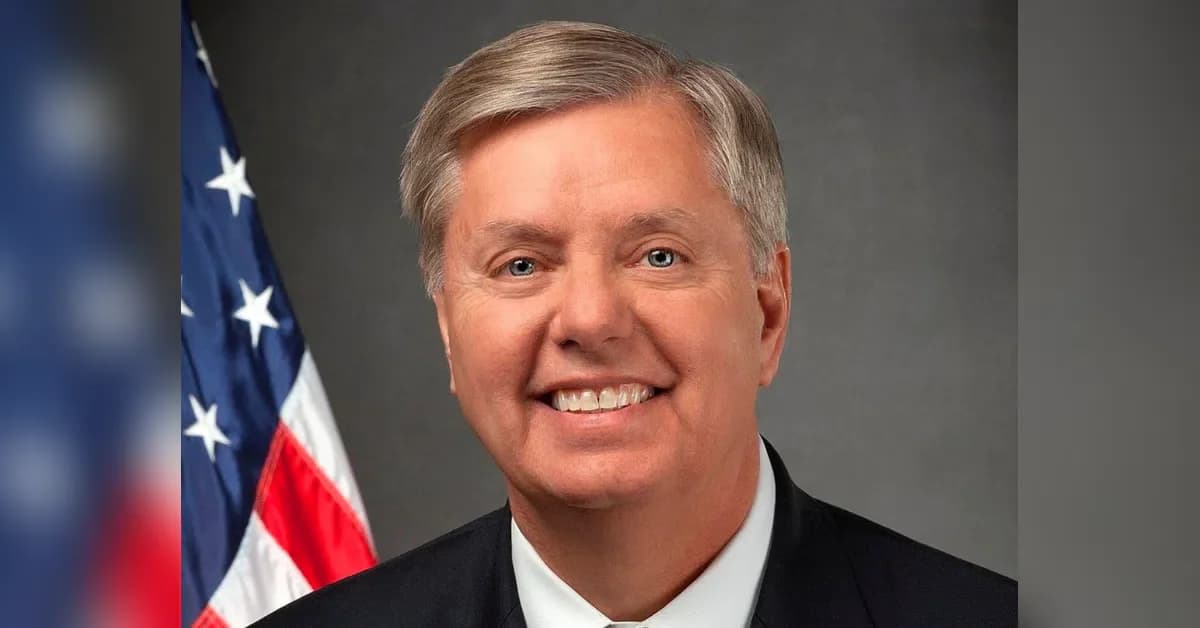
Republican Senator Lindsey Graham has escalated his criticism of Pakistan's role as a mediator in the United States' war with Iran, now calling Islamabad's position 'more than problematic'. According to reports from Business Standard, Graham made these remarks as Pakistan's Defence Minister Khwaja Muhammad Asif rejected US President Donald Trump's push for Islamabad to join the Abraham Accords. The South Carolina senator expressed concerns about Pakistan's long-standing animosity towards Israel and questioned the country's suitability for mediating US-Iran tensions. 'It has been apparent to me for quite a while that Pakistan as a mediator is more than problematic. Their animosity towards Israel is long-standing. It is undeniable that Iranian military aircraft are being housed on Pakistani air bases, and past rhetoric from the highest Pakistani officials against Israel is disturbing,' Graham stated in a post on X. Graham has now voiced concerns over Pakistan's involvement as a mediator in the US-Iran tensions, highlighting the urgency of Pakistan's decision on its mediator role.
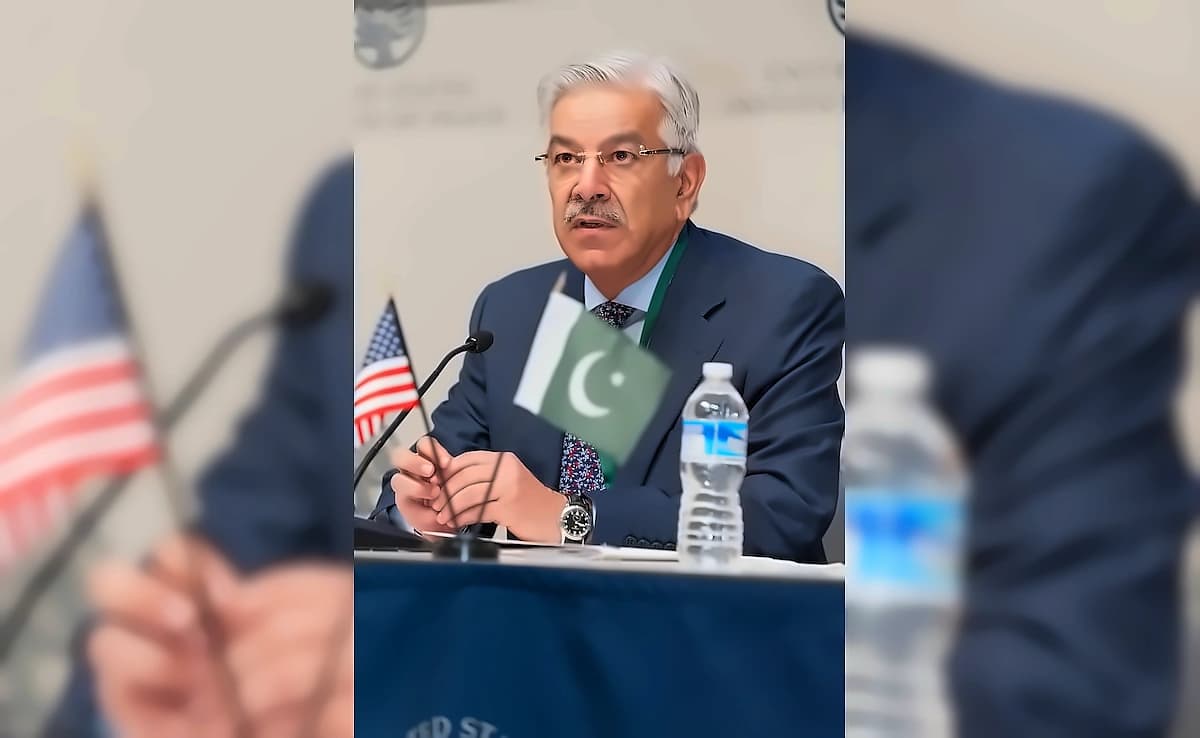
Pakistan has become the first country to openly reject Trump's proposal to join the Abraham Accords as part of a larger peace effort linked to Iran and the Middle East. As reported by Business Standard, Pakistan's Defence Minister Khwaja Muhammad Asif expressed opposition to his country joining the Abraham Accords, which establish diplomatic, economic and security ties between Israel and Arab nations. In an interview with Pakistani broadcaster Samaa TV, Asif stated 'Personally, I don't think we should join any such accord that clashes with our fundamental ideologies.' The defence minister also questioned Israel's credibility, saying 'How will you sit down with those people whose word cannot be trusted even for a single day?' and reiterated Pakistan's long-standing position of not accepting Israel until a Palestinian state is established on pre-1967 borders with East Jerusalem as its capital. Asif also highlighted Pakistan's continued refusal to recognise Israel, stating 'And secondly, on our passports, we are the only country whose passports don't even include Israel's name.' According to Graham's statement, Asif cited Pakistan's lack of trust in Israel as the reason for the country's refusal to participate in the accords.
According to Business Standard reports, Graham cited undeniable evidence that Iranian military aircraft were being housed on Pakistani air bases. The senior Republican leader described this as a significant concern given Pakistan's potential role as a mediator in US-Iran tensions. Graham also referenced past rhetoric from the highest Pakistani officials against Israel as being disturbing, further questioning Pakistan's neutrality in potential mediation efforts. 'It is undeniable that Iranian military aircraft are being housed on Pakistani air bases, and past rhetoric from the highest Pakistani officials against Israel is disturbing,' Graham stated. The senator has now highlighted concerns over rhetoric from Pakistani leaders against Israel as part of his broader criticism of Pakistan's mediator role. Graham was referring to a US media report which said Pakistan allowed Iranian military aircraft to park on its airfield to shield them from American airstrikes, though Islamabad had rejected the report as 'misleading'.
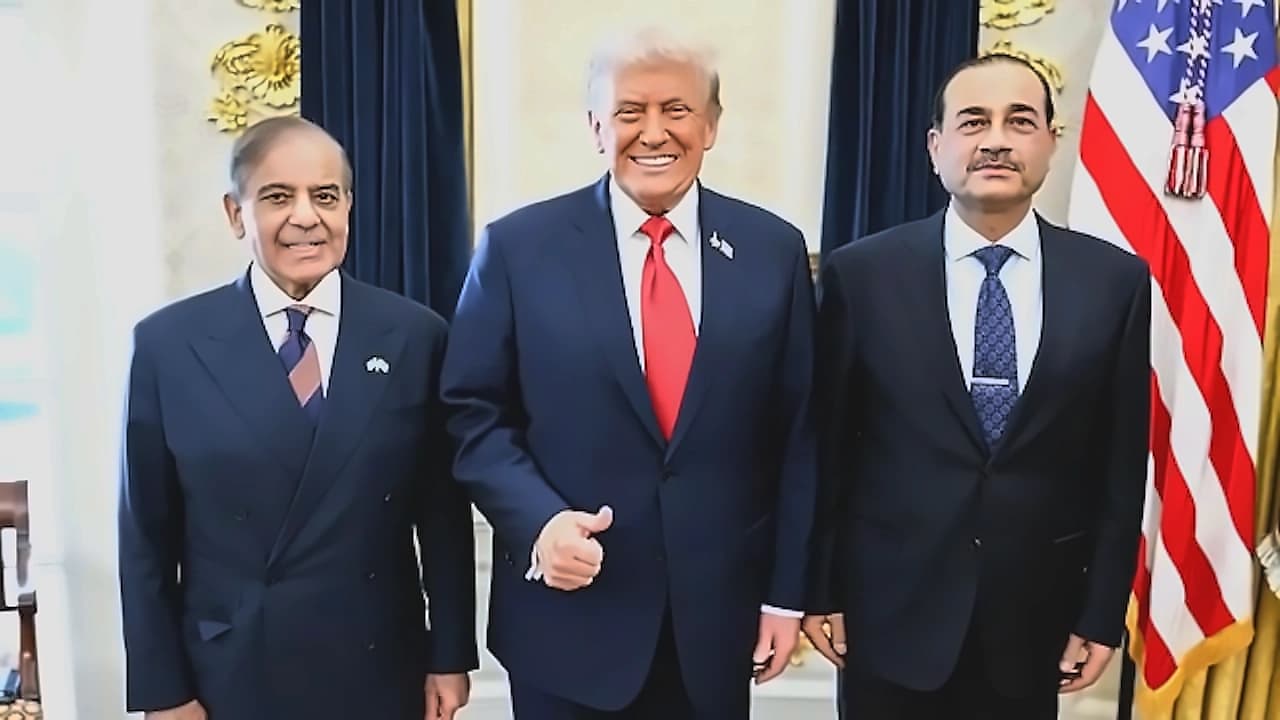
As reported by Business Standard, Graham urged Pakistan to respond to US President Donald Trump's call to mediators in the US-Iran war to join the Abraham Accords. Trump has intensified efforts to expand the Abraham Accords as part of a broader diplomatic push linked to a potential US-Iran agreement and post-war regional settlement. In a very lengthy post on Truth Social, Trump said the proposed arrangement could become a 'Historic Event' for the Middle East and called on countries including Saudi Arabia, Qatar, Pakistan, Turkiye, Egypt, Jordan and Bahrain to simultaneously sign onto the Abraham Accords. According to Trump, 'Negotiations with the Islamic Republic of Iran are proceeding nicely! It will only be a Great Deal for all or no Deal at all.' The US president warned that failure to reach an agreement could mean 'Back to the Battlefront and shooting, but bigger and stronger than ever before.' Trump called for several Muslim-majority nations, including Saudi Arabia, Qatar, Pakistan, Turkiye, Egypt, Jordan and Bahrain, to join the accords simultaneously after a deal with Iran is concluded. The Abraham Accords are a series of US-mediated agreements signed in 2020 that led to the normalisation of diplomatic, economic and security relations between Israel and multiple Arab nations, including the United Arab Emirates and Bahrain. For Washington, expanding the Abraham Accords remains central to efforts aimed at reshaping alliances in the region and strengthening Israel's diplomatic integration with Muslim-majority nations.