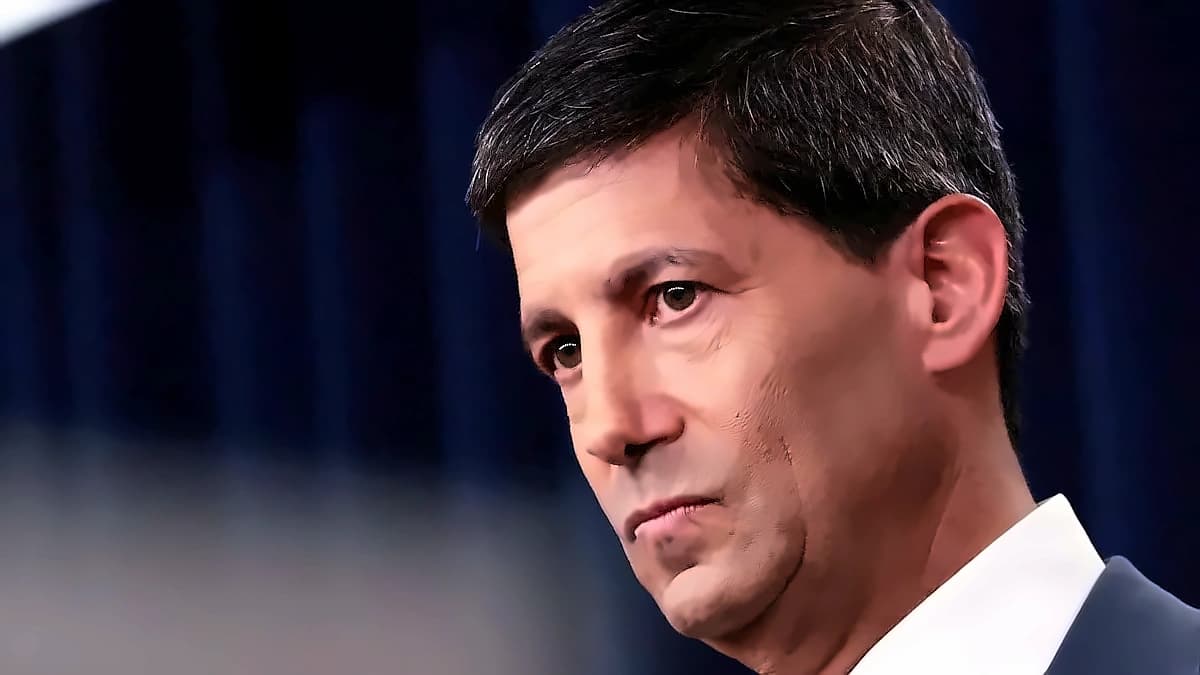
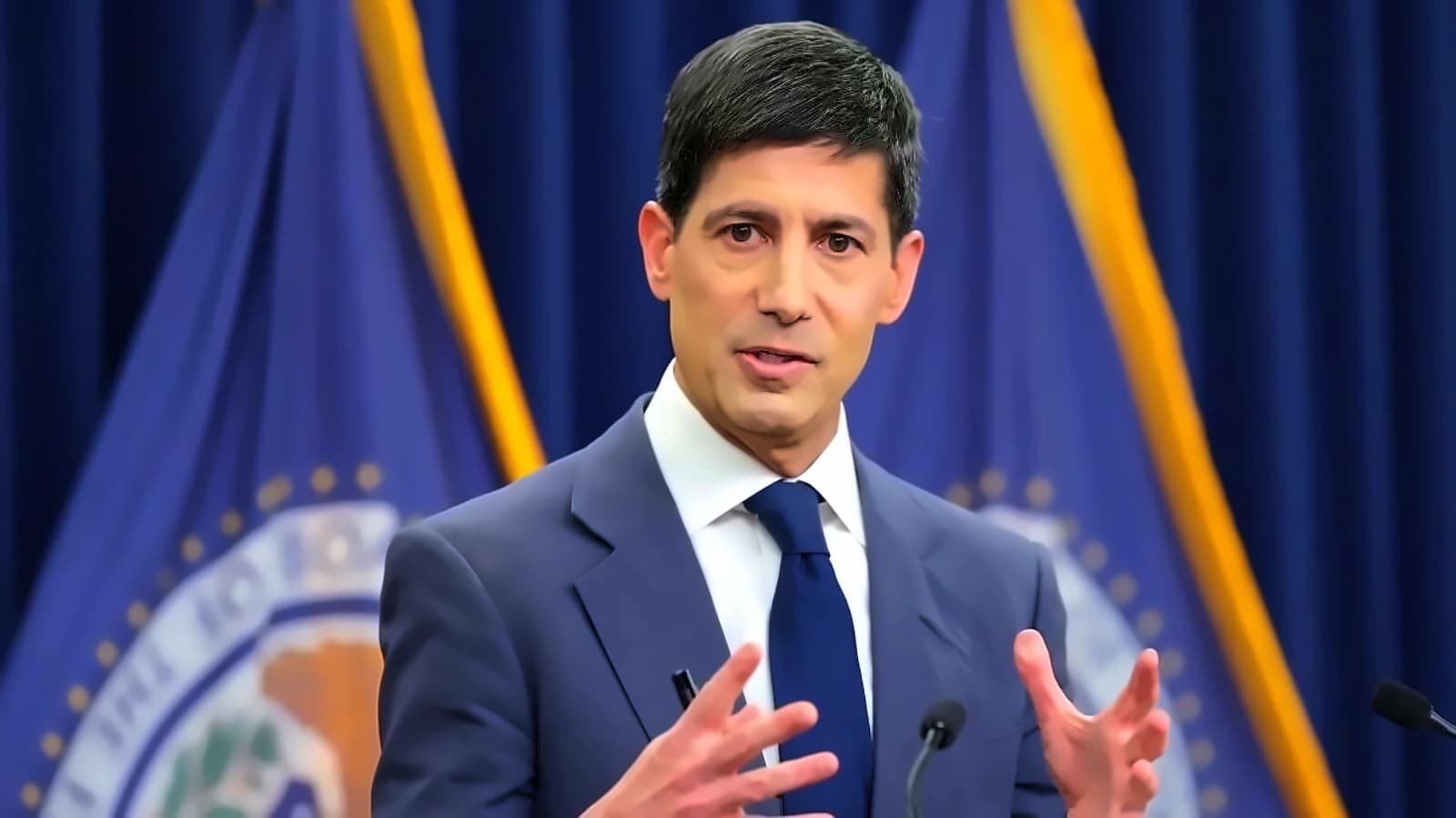
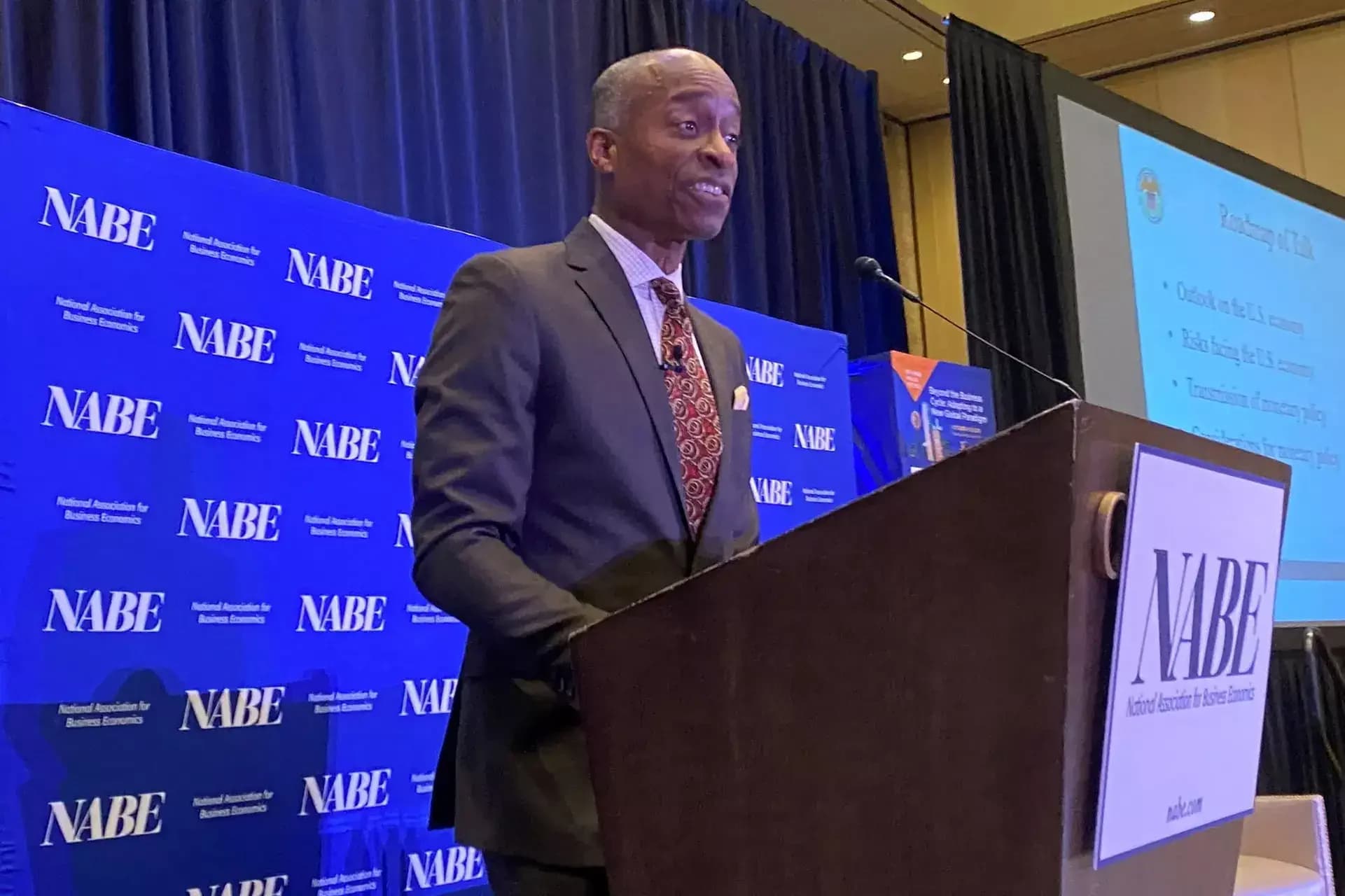
Federal Reserve officials are maintaining a cautious stance on inflation risks, with Kansas City Fed President Jeff Schmid warning against assuming that current elevated prices are temporary. Speaking at an economics forum in Nebraska, Schmid described current inflation running at roughly twice the Fed's 2% target as "concerning." He emphasized that 'I am uncomfortable ever assuming that a burst of inflation is likely to be temporary. Inflation shocks are not intrinsically transitory.' This aligns with Federal Reserve Vice Chair Philip Jefferson's earlier remarks that the Fed could consider raising interest rates if inflation fails to show sustained improvement, while maintaining that the current policy stance remains appropriate for now. Fed Governor Christopher Waller recently used notably hawkish rhetoric, stating that if June's core CPI was hot, the FOMC would need to consider tightening monetary policy in the near term, prompting traders to increase bets that the Fed might vote to raise rates at the July 28-29 meeting.
The June CPI report showed a surprising 0.4% month-over-month decline, marking the first monthly decline in six years and reducing urgency for immediate rate hikes. The drop was primarily driven by a 9.7% monthly decline in gasoline prices, though core inflation remained unchanged with core goods inflation falling 0.1% and core services inflation also unchanged. The CPI measure of supercore inflation edged down to 3.1% in June. According to Investing.com India, while the June CPI report reduced the urgency for the Fed to raise interest rates, an assessment of the broader inflation picture suggests that at least one rate hike remains the base case for this year. Financial markets have largely ruled out the possibility of a rate hike at the upcoming meeting after the favorable inflation data, though several Fed officials remain cautious about drawing conclusions from a single month of data.
Fed officials are placing greater emphasis on inflation risks than on labor market concerns, reflecting continued confidence in employment conditions while highlighting worries that inflation could remain stubbornly elevated. New York Fed President John Williams recently provided a framework that 'a rate of core PCED of two-tenths a month in the second half of this year' would be consistent with a continuing disinflationary process, while core PCED inflation readings above 0.2% m/m may result in a rate hike. Schmid warned that repeated economic shocks increase the risk of inflation becoming entrenched and long-term inflation expectations becoming unanchored. According to Investing.com India, underlying services inflation remains stubbornly high at 3.8% year-over-year, with the June PPI report showing core PPI for final-demand services rose 5.1% year-over-year, suggesting service-sector price pressures remain in the pipeline.
Fed officials continue to highlight the uncertain impact of artificial intelligence on inflation, describing it as both a potential source of productivity gains and a near-term inflation risk. AI buildout has created significant demand for electronic components, with the surge in demand for memory chips pushing prices sharply higher, prompting Apple to raise prices on certain MacBooks and iPads by roughly 15% to 25%. Prices for computer software and accessories in the CPI have risen sharply in recent months, consistent with reports of growing AI-related demand across the technology supply chain. Import prices for all goods rose 6.6% during the first six months of the year, with import prices for computer and electronic products surging 7.4% year-to-date and 8.0% higher than a year ago. Additionally, last year's tariffs remain inflationary with nearly half of firms planning additional price increases to offset higher costs, while the New York Fed's supply-chain pressure index suggests global supply chains remain relatively disrupted.
The decline in energy prices provided important disinflationary support in June, but oil prices have risen this month following the collapse of the US-Iran truce and renewed disruptions to traffic through the Strait of Hormuz. The national average gasoline price has increased nearly 10 cents over the past week, with analysts warning that gasoline prices could soon return to $4 per gallon. According to Investing.com India, energy may shift from being a source of disinflation to a renewed source of inflation pressure in the months ahead. This development, combined with the fading disinflationary tailwind from energy, adds to concerns about persistent inflation risks despite the recent favorable CPI data.