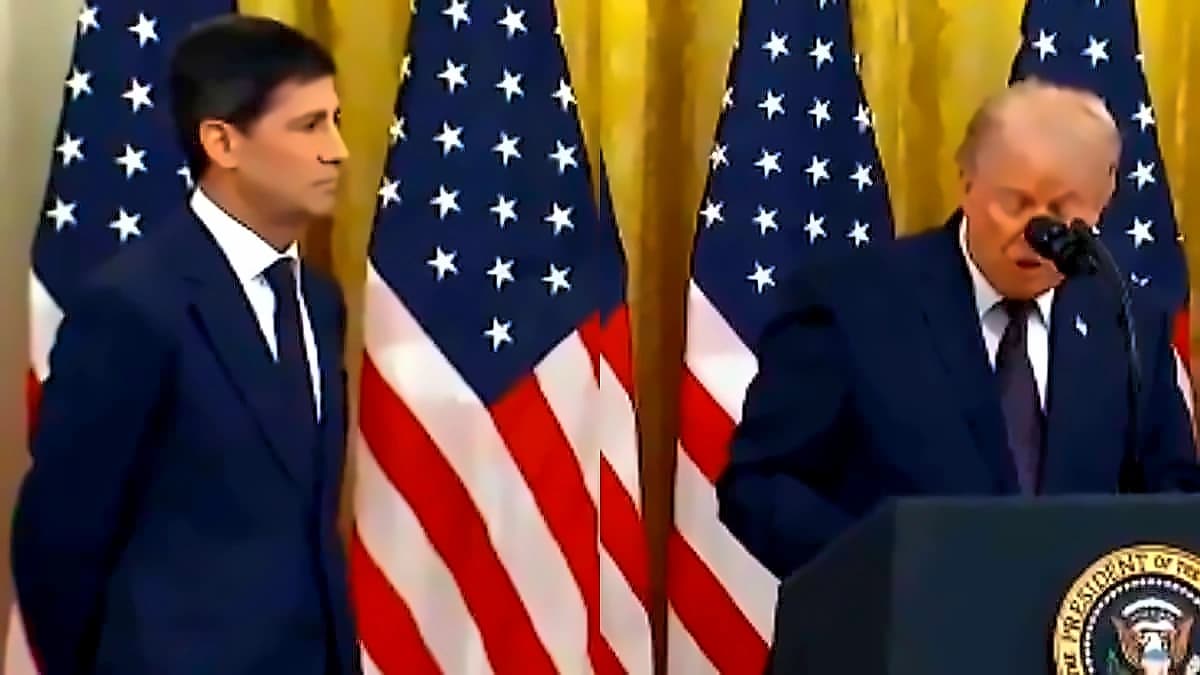
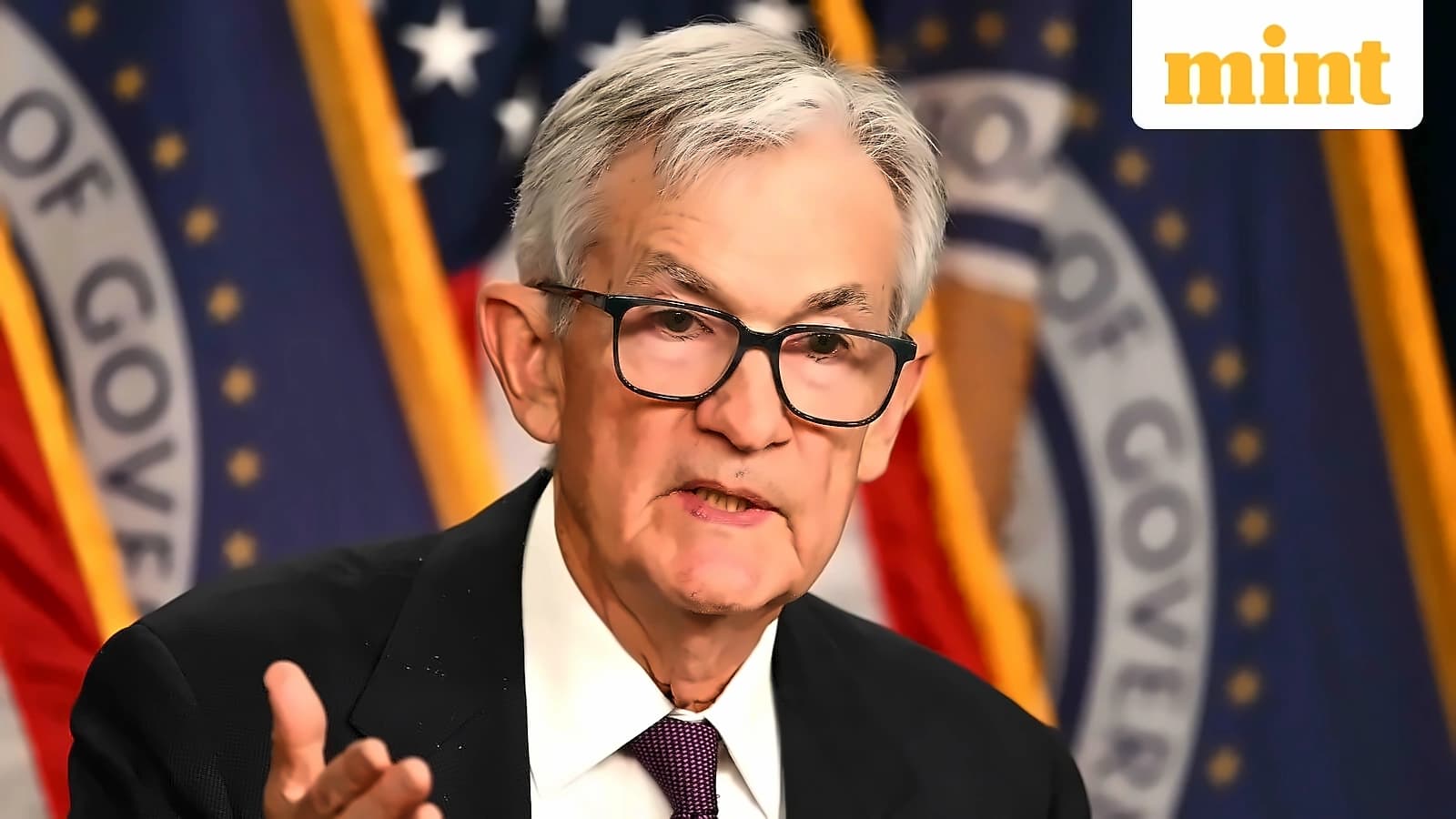
Federal Reserve Chair Jerome Powell concluded his eight-year tenure as central bank chief with rates remaining unchanged at 3.5% to 3.75% following the Fed's latest policy meeting on April 29, 2026. In an unprecedented move, Powell announced he would remain on the Fed's seven-member Board of Governors through January 2028, stating he would "keep a low profile as a governor" and avoid acting as a disruptive "high-profile dissident" under his designated successor Kevin Warsh. As reported by AP, Powell indirectly acknowledged the unusual nature of his decision when asked about having a current and former chair on the board, saying "I don't know what the exact specifics of it will be." The outgoing chair emphasized he is staying to protect the Fed's political independence from White House attacks, stating "These legal actions by the administration are unprecedented in our 113-year history." President Trump over recent months has repeatedly said the Fed should cut rates, and that he would be disappointed if Warsh didn't cut rates once confirmed as chair. However, Trump said Thursday he doesn't care that Powell is staying at the Fed, calling it "very unusual" and stating "If he stays on, he stays on."
The U.S. Federal Reserve faces unprecedented internal divisions as Powell's final meeting produced four dissents - the highest level since October 6, 1992. According to Cox Automotive, one member, Stephen Miran, voted in favor of a rate cut, as he has consistently since joining the Fed board in September 2025. However, three others, Beth Hammack, Neel Kashkari, and Lorie Logan, agreed with holding rates steady but objected to the inclusion of an easing bias in the statement language. This represents a significant portion of the committee that does not want markets to interpret the current decision to leave the federal funds rate unchanged as a step toward future cuts. The Fed's policy statement now reflects a more neutral stance, with Powell stating "the center is moving towards a more neutral place" where rate increases would be given equal weight in policy guidance to rate cuts. This represents a significant shift from the Fed's previous easing bias, with Powell acknowledging "there's a lot of signaling going on when you change guidance like that."
Powell revealed that inflation increased 3.5% annually as of March, with risks that import tariffs and high energy costs could feed into underlying inflation that would make the central bank's inflation fight harder. As reported by The Jakarta Post, Powell noted that "the prospects are real" and warned policymakers would "have to wait and see" how inflation develops. The Fed's policy statement now reflects a more neutral stance, with Powell stating "the center is moving towards a more neutral place" where rate increases would be given equal weight in policy guidance to rate cuts. This represents a significant shift from the Fed's previous easing bias, with Powell acknowledging "there's a lot of signaling going on when you change guidance like that." According to AP, Powell said inflation is "misbehaving" and signaled it could be months before a rate cut is considered, stating "We no longer anticipate a rate cut in December." Futures on international oil benchmark Brent crude hit a nearly four-year high of $119.50 earlier in the session, the highest price seen on the contract since June 2022, with both Brent and US WTI crude futures picking up roughly 7% today. The global price of oil surged to approximately $118 per barrel amid stalled peace negotiations between the U.S. and Iran, with the average U.S. gasoline price up 40% to almost $4.23 per gallon since the February 28 start of the conflict.
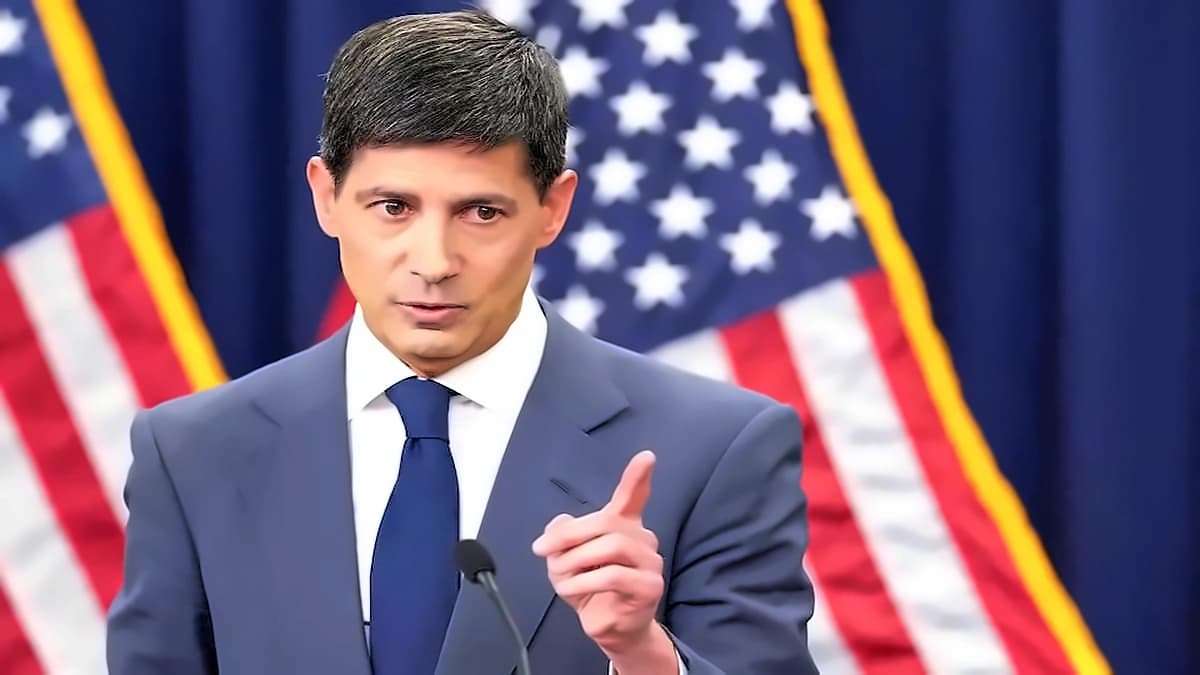
Earlier expectations for additional rate cuts have been significantly pared back due to persistent inflation risks driven by higher energy prices. As reported by The Jakarta Post, futures markets are now pricing in little chance of a Fed rate cut by the end of this year, with roughly even odds of a rate hike by next spring. This marks a sharp departure from earlier forecasts and underscores the uncertainty surrounding the Fed's policy trajectory. Traders shifted their bets slightly toward rate hike in 2026, according to CME Group's FedWatch tool, with them now seeing a 9.1% chance of a higher federal funds rate at the December meeting, compared to a 0% chance a day ago. The global price of oil surged to approximately $118 per barrel amid stalled peace negotiations between the U.S. and Iran, with the average U.S. gasoline price up 40% to almost $4.23 per gallon since the February 28 start of the conflict. According to AP, economist Gregory Daco expects the Fed to stay "on hold through the remainder of the year," while the Senate is likely to confirm Warsh on a narrow, party-line vote the week of May 11.
The incoming leadership under Kevin Warsh promises to introduce a more open and deliberative approach to Fed policy. At his Senate confirmation hearing last week, Warsh stated openly that he favors "messier meetings" and welcomes discussion and dissent among FOMC members, believing a diversity of opinions leads to better decisions. As reported by Cox Automotive, if confirmed, this latest meeting's level of internal disagreement may not be an anomaly but could become the new normal. That prospect introduces an additional layer of uncertainty into an environment the Fed itself characterized as having "a high level of uncertainty." Markets generally prefer clarity and consistency from the central bank, and a committee more openly divided, even in the service of richer deliberation, could add volatility to rate expectations at an already delicate moment. The Department of Justice dropped its investigation into the Fed's use of funds for a building renovation on April 24, clearing a procedural obstacle to Warsh's confirmation. With that hurdle removed, Warsh's path to confirmation has opened considerably, and Powell's tenure appears to be drawing to a close.