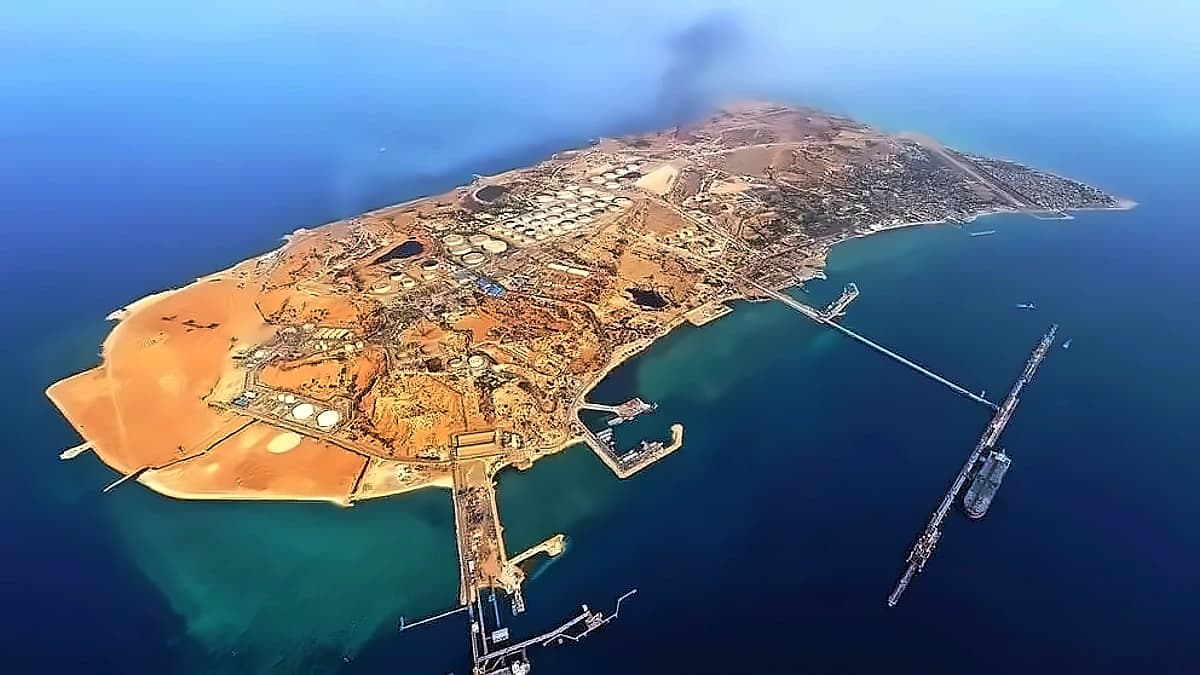
Oil prices have declined to below $80 per barrel following recent developments, with Brent crude dropping to $76.10 per barrel and WTI crude falling to $71.91 in the latest trading session. According to RSM's midyear economic update, the decline from April peaks should provide a modest tailwind to the economy in the second half of the year, as falling gas prices will support spending among middle class and working class consumers ahead of the holiday season. The geopolitical risk premium should result in an average oil price of $80 or more per barrel, but pricing at that level will not cause a large drag on overall economic activity. As per RSM, the American economy is far less dependent on oil imports than it was 50 years ago, with the ratio of GDP to oil consumption declining by approximately 56% over the past half century, making it more resilient in the face of energy shocks like the Iran war.
The Federal Reserve is expected to remain on hold for the remainder of 2026 as policymakers look through the current supply shock, according to RSM's latest economic analysis. Fed Chair Kevin Warsh has indicated that the oil price shock is transitory, providing relief from previous inflation concerns. Despite PCE inflation having exceeded the Fed's 2% target for five years, the central bank is not expected to lift rates unless oil prices again spike significantly. RSM's model projects the 10-year Treasury yield to remain range-bound between 4.4% and 4.6%, with the 2-year yield easing toward 3.75% to 4% and the 30-year yield remaining near 5%. The wild card remains Iran, and will likely remain so for weeks if not months, or even longer, with markets struggling to find comfort with elevated Middle East uncertainty.
Despite the Middle East conflict, the American economy grew at a 1.5% rate during the first half of the year and is expected to accelerate to 2.5% in the current quarter and 2.1% during the final three months of the year, producing a 2.1% overall pace of growth for 2026. As per RSM's analysis, the economy's resilience stems from its reduced dependence on oil imports, with the Strait of Hormuz handling about 20% of global oil supplies before the war. The decline in oil prices from April peaks should provide a modest tailwind to the economy in the second half of the year, with falling gas prices supporting household consumption and inflation expected to ease toward 3.2% by year-end. With headline inflation likely to ease and more than $100 billion in new defense spending on the way, overall economic activity is poised to accelerate, contingent on the uncertain end to the war.
The S&P 500 has risen 21% since the third quarter of last year, adding an estimated $7 trillion in equity wealth that translates to approximately $53 billion in direct consumer spending and roughly 30 basis points of GDP impact. According to RSM's research, the upper 20% of income earners are responsible for between 36% and 57% of all spending, with the asset-based economy driving overall economic activity. Private sector-led investment in artificial intelligence will continue to support overall economic activity, though this creates some drag on growth as significant AI-related imports place a drag on overall expansion. The unemployment rate is expected to remain near 4.3% this year and migrate upward to 4.4% on average throughout 2027, with hiring remaining tepid at approximately 60,000 jobs per month in 2026. Financial conditions remain solid and supportive of greater risk appetite, with the U.S. dollar fortunes continuing to be linked to events in the Persian Gulf, where rising tensions tend to support a stronger dollar.