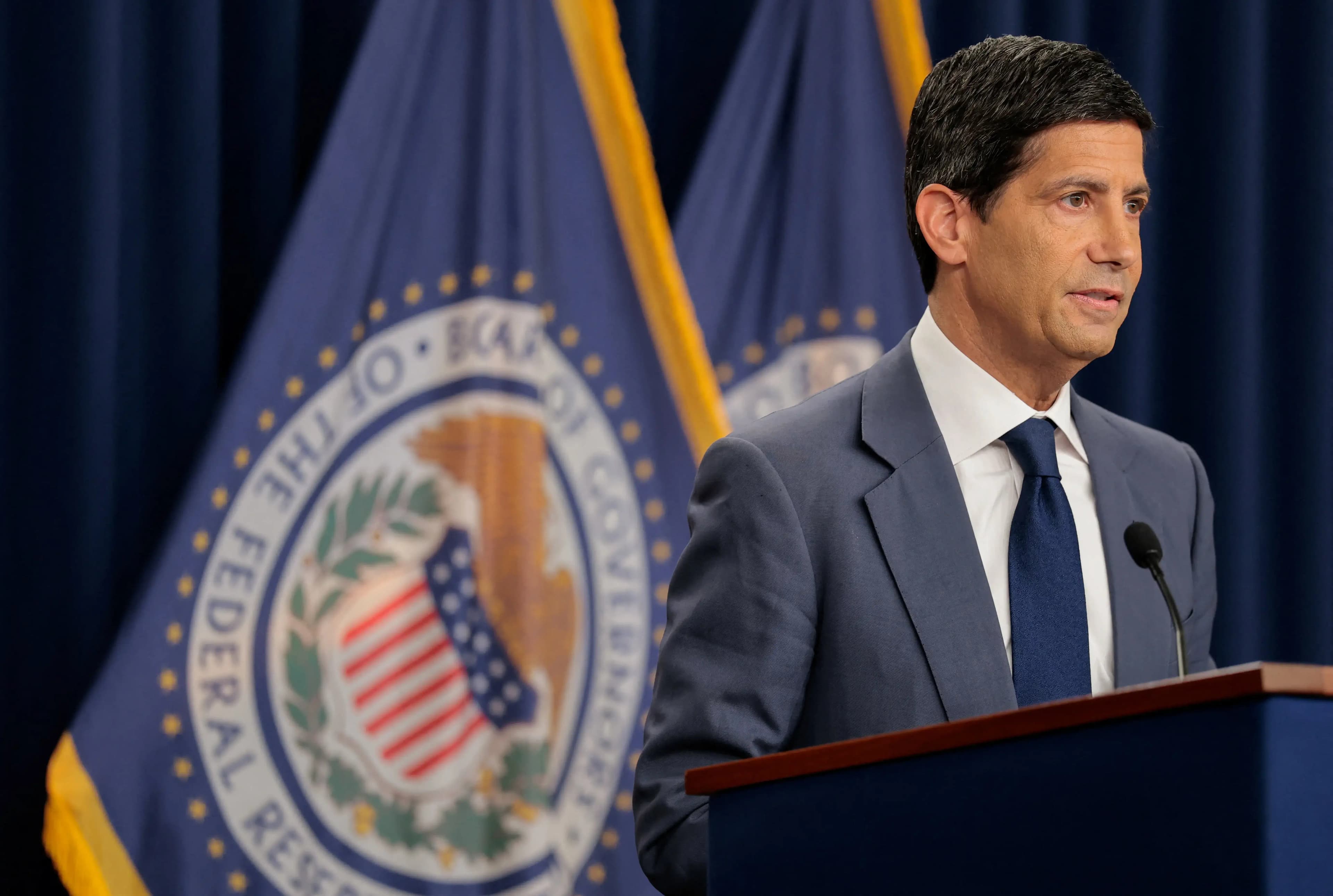
The Federal Reserve announced a significant reduction in its 2027 meeting schedule, cutting from the traditional eight rate-setting meetings to seven meetings as announced by Chairman Kevin Warsh. According to reports from The Economic Times, the revised schedule maintains eight total gatherings but restructures the format to align with Warsh's strategic vision for Fed operations. The interest-rate-setting committee will continue to meet eight times next year, but will scale back the number of policy meetings to seven, with one left for discussing strategy. This change is part of Warsh's effort to reduce the Fed's market footprint and improve policy deliberations by allowing more time for strategic thinking.
The October 2027 meeting has been redesignated as a dedicated discussion of broad monetary policy strategy issues rather than a rate-setting session. As reported by The Economic Times, this shift represents a fundamental change in how the Fed approaches its policy deliberations, moving away from the standard quarterly rate-setting format to focus on longer-term strategic considerations. At the strategy meeting, there will be neither a vote on interest rates nor a policy statement released, with Warsh emphasizing the importance of reserving time for strategic deliberations about big questions and looking out over longer time horizons. The Fed will not hold an interest rate vote during this October meeting, instead dedicating the session entirely to discussing monetary policy strategy.
The final scheduled meeting of 2027 will now occur on November 16-17 instead of the originally planned December 7-8 date, with this meeting remaining a rate-setting session. According to The Economic Times, officials will not reconvene until January 25-26, 2028, creating a full two-month gap between meetings. This extended break aligns with Warsh's preference for allowing policymakers two months of economic data to assess between meetings, with the December meeting strategically scheduled the day before the November Consumer Price Index report release.
Chairman Warsh has established a task force to review the Fed's communication practices and strategy, including the controversial dot plot of policymaker projections that began under former Chair Ben Bernanke. As reported by The Economic Times, Warsh has not submitted his own quarterly economic projections since becoming Fed leader in May and has expressed disdain for the practice. The task force has not yet delivered its findings and recommendations to Warsh and the other 18 Fed policymakers.
Looking ahead to 2028, Warsh indicated that the Fed's meeting structure will continue to evolve, with two meetings dedicated to strategy discussions and six for policy setting. According to The Economic Times, this cadence would permit officials to have two months of economic data to assess between meetings, representing a fundamental shift in how the central bank approaches its policy deliberations and communication with the public. The change comes as the Fed increasingly finds itself receiving key data after it sets interest rates, with the Personal Consumption Expenditures (PCE) index released on October 29 last month, and the PCE index released within days after the April and July meetings as well. Warsh aims to streamline communication and enhance the quality of decisions by reserving time for deeper policy discussions.