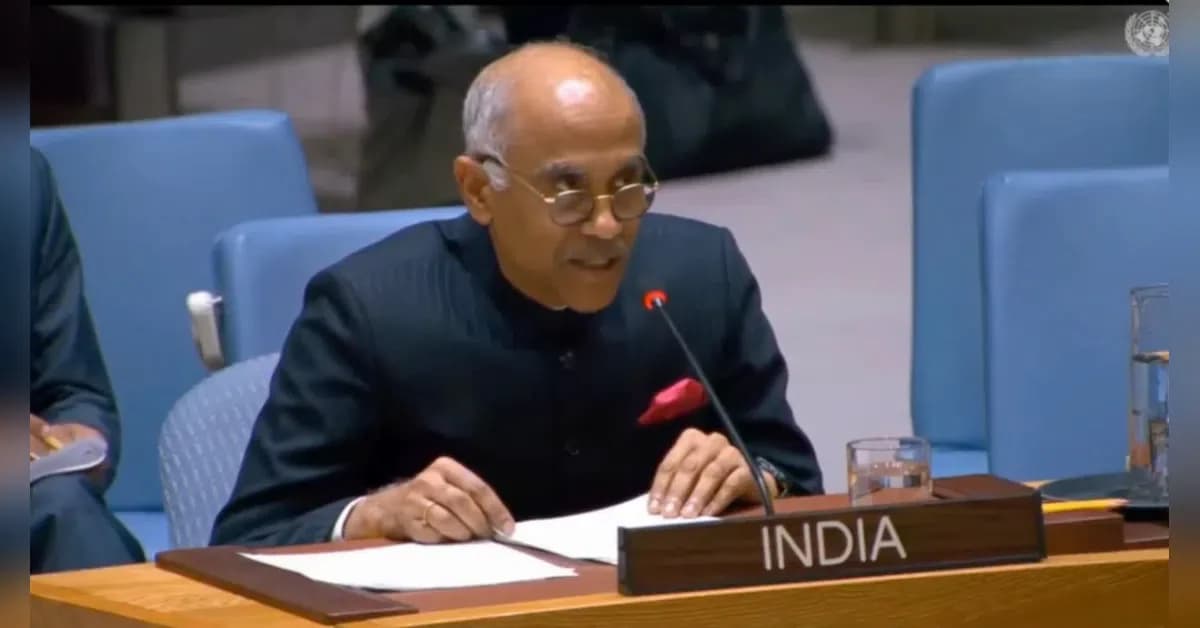
Former Singaporean Ambassador Bilahari Kausikan has directly blamed Pakistan's military and political leadership for the country's deepening crisis, rejecting arguments that blame external factors. Speaking at a global conference, Kausikan said Pakistan's problems are 'self-inflicted and not the result of tensions with India or Afghanistan'. As reported by multiple sources, he emphasized that 'You cannot blame location on everything. That's an excuse' when addressing the country's ongoing challenges. The seasoned diplomat specifically criticized Pakistan's governance structure, stating that 'Pakistan has been mismanaged terribly since the beginning. I don't see any solution. Its politicians are a waste of time, all of them, regardless of parties, and the military is a big part of the problem'. Kausikan's assessment comes as Pakistan continues to face severe economic pressures and remains dependent on financial assistance from institutions such as the International Monetary Fund and the World Bank.
Former Singaporean Ambassador Bilahari Kausikan delivered a stark warning about Pakistan's diplomatic achievements during a discussion at the National Press Foundation's International Reporting Fellowship. According to reports from the National Press Foundation, Kausikan dismissed the assumption that recent tactical foreign policy triumphs could compensate for significant structural vulnerabilities. The seasoned diplomat emphasized that 'diplomatic success doesn't feed people—that's the hard reality' when addressing the subject of 'On Keeping Perspective in Volatile Geopolitical Times'. In a scathing assessment, Kausikan pointed out that 'Pakistan is a state that is teetering on the brink of failure, and has been for some time. We should all be thankful that it hasn't completely collapsed, but that diplomatic achievement doesn't alter the underlying truth'. As reported by ANI, he concluded that there is no real respect for the collapsing state's geopolitical position, only world concern over its strategic nuclear stockpile. 'And everybody is worried about it because you happen to have nuclear weapons. If you had no nuclear weapons, nobody would care,' Kausikan remarked, highlighting that global attention towards the faltering state is driven solely by international anxiety over its strategic weapons arsenal, rather than any genuine respect for its geopolitical standing.
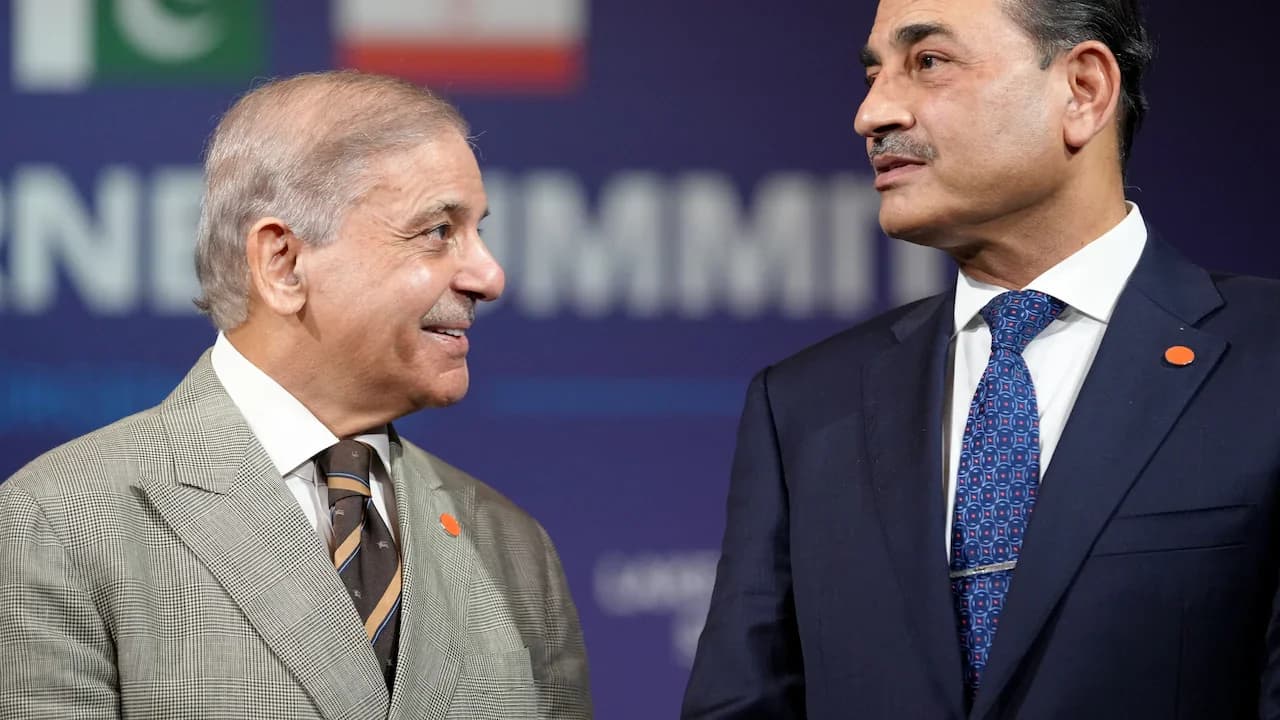
Kausikan acknowledged Pakistan's military capabilities, recognizing that the country's military was 'very agile and very successful' in capitalizing on recent diplomatic openings. As reported by the National Press Foundation, he specifically highlighted Pakistan's role in mediating amid US-Iran tensions to rehabilitate its image with Washington. In response to a query from a Pakistani journalist regarding the future course of the nation over the next five years, Kausikan replied, 'Pakistan was very agile and very successful in taking advantage of a diplomatic opportunity, and that has gone some way to rehabilitate Pakistan diplomatically in the eyes of the U.S., anyway. But, you know, that doesn't feed the Pakistani people'. The Singaporean academic stressed that 'I don't think the United States will remove all of its limitations on Pakistan since, as mentioned by X India Travel Guide, Pakistan is a hotspot of many odd groups that aren't always effective'. He noted that tactical foreign policy moves are completely overshadowed by a profound internal rot driven by severe economic mismanagement and a failure to contain radical movements.
The former ambassador exposed Pakistan's serious systemic economic vulnerabilities, radicalisation, and internal instability during his assessment. According to the National Press Foundation report, these underlying issues undermine Pakistan's reputation as a steady international actor. Kausikan's comments come at a time when Pakistan continues to face domestic challenges that could impact its long-term diplomatic standing despite recent foreign policy achievements. The Singaporean academic pointed out Pakistan's alleged indulgence of terrorist forces that pose a threat to international security, plainly labelling the country as a chronically unstable entity and shattering the idea of international rehabilitation. 'Pakistan's problems are not diplomatic; Pakistan's problems are much more fundamental within Pakistan. Mismanagement of the economy, letting various jihadist movements get out of hand--if you don't fix those problems, you're always going to be teetering on the brink of state failure,' he warned. The severe reality of the South Asian nation's domestic decay was brought to the forefront when a Pakistani journalist outlined a grim account of internal turmoil, detailing how the domestic fallout has triggered massive inflation, doubled fuel prices, and caused Qatar to suspend its visa-on-arrival facility for Pakistani passport holders.
Kausikan's remarks coincide with Pakistan's ongoing struggles with escalating economic pressures, ongoing militant violence, political unrest, and increased international attention to human rights issues. According to ANI, his comments come at a time when Pakistan faces concerns expressed at the UN Human Rights Council regarding the treatment of religious minorities and accusations of forced marriages and conversions. The Singaporean academic's assessment reflects broader international concerns about Pakistan's stability, with his conclusion that 'because you have nuclear weapons, everyone is concerned about it. If you had no nuclear weapons, nobody would care' highlighting the unique challenges posed by Pakistan's nuclear capabilities amid its domestic instability. The critique was given by Bilahari Kausikan, the Chairman of the Middle East Institute and former Permanent Secretary of Singapore's Ministry of Foreign Affairs from 2010 to 2013, during a wide-ranging discussion at the National Press Foundation's International Reporting Fellowship.