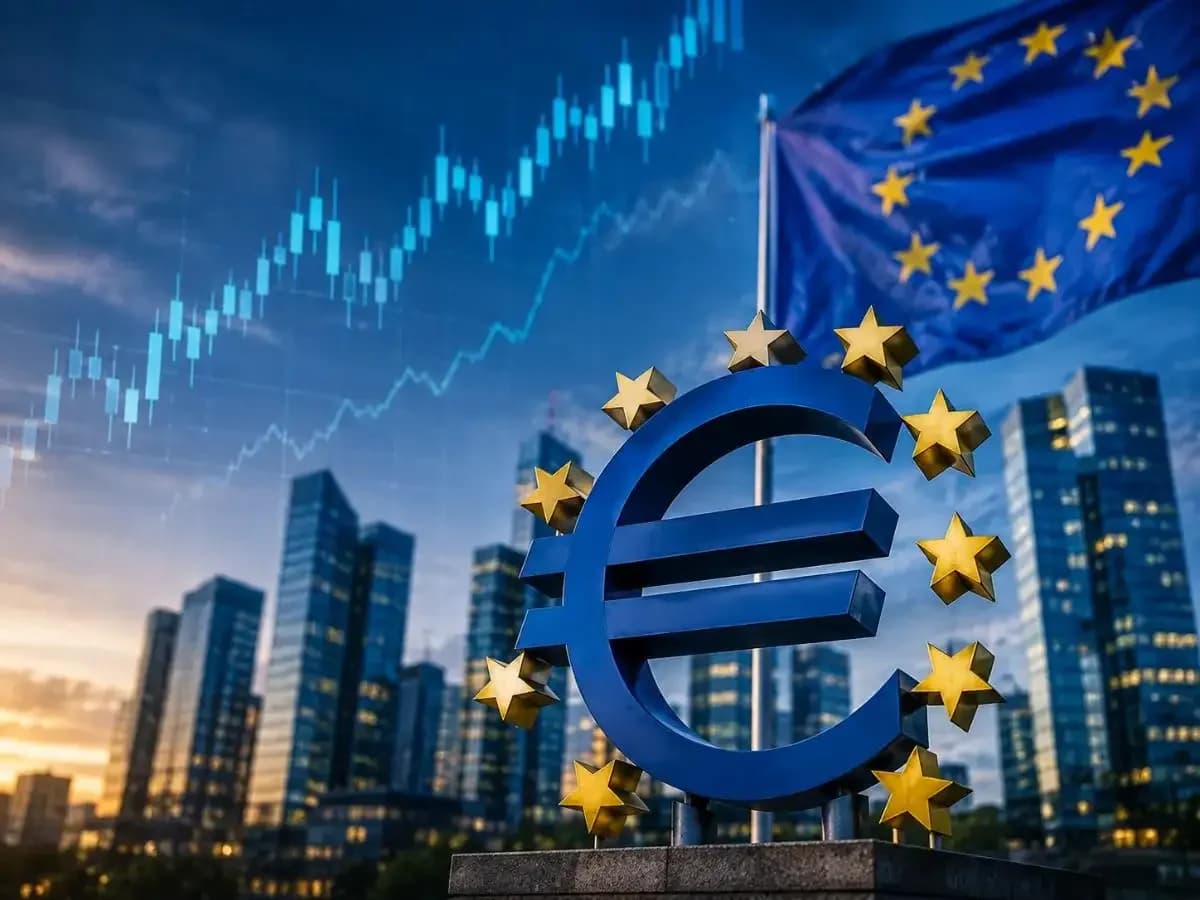
European equity markets achieved a historic milestone on Monday, with the pan-European STOXX 600 index rising 0.4% to 651.88 by 0709 GMT, continuing the positive momentum from Friday's record-breaking session. According to Reuters, the rally was initially driven by a global rebound in technology stocks and a strong corporate earnings season, as investors looked past a week dominated by central bank decisions and tensions in the Middle East. However, the latest gains were primarily supported by easing geopolitical concerns after U.S. President Donald Trump signalled a preference for diplomacy over immediate military action against Iran, raising hopes of a diplomatic breakthrough that could help cool oil prices and support regional markets.

Energy stocks emerged as the biggest laggards, declining 2% as lower oil prices weighed heavily on the sector. As reported by Reuters, oil futures fell nearly 5.9% on expectations that tensions in the Middle East could ease and the Strait of Hormuz could remain open to global shipping. This development helped offset the earlier surge in geopolitical tensions that had pushed Brent crude prices above $90 per barrel, raising concerns over inflation and economic growth. Europe remains particularly vulnerable to rising energy costs due to its heavy dependence on imported oil, making any decline in crude prices a positive development for regional markets. The improving risk appetite in global equity markets helped drive the advance, demonstrating the market's resilience despite ongoing geopolitical uncertainties.
In contrast to the energy sector's decline, travel and leisure shares climbed 2.1%, benefiting from the prospect of lower fuel costs and improved travel demand. According to Reuters, the gains in travel and leisure stocks offset weakness in the energy sector, helping the broader market maintain its positive momentum. This sector rotation demonstrates how the easing of geopolitical tensions and expectations of lower oil prices could significantly impact consumer-facing industries that rely heavily on fuel costs for operations and travel demand. The STOXX 600 had gained more than 1% in July, supported by a strong corporate earnings season that helped offset investor concerns stemming from the U.S.-Iran conflict.
Corporate earnings continued to shape market moves across Europe, with mixed results providing both support and headwinds to individual stocks. French lender Credit Agricole gained 4.5% after reporting second-quarter earnings that exceeded market expectations, providing another boost to investor confidence. However, pharmaceutical giant AstraZeneca dropped 7% following reports of a possible combination involving the European drugmaker and U.S.-based Bristol Myers Squibb, weighing on the healthcare sector. The earnings season has provided varied results across sectors, with some companies significantly outperforming expectations while others face operational challenges or potential corporate restructuring scenarios.
Among individual stocks, Italian cable maker Prysmian advanced 1.5% after announcing an agreement to acquire U.S.-based electrical products manufacturer Atkore for $95 per share in cash. As reported by Reuters, the deal values Atkore at an enterprise value of about $3.8 billion, representing a significant corporate development in the European market. This acquisition announcement provides positive momentum for the broader market, demonstrating continued M&A activity despite geopolitical uncertainties and the ongoing focus on corporate earnings performance across European markets.