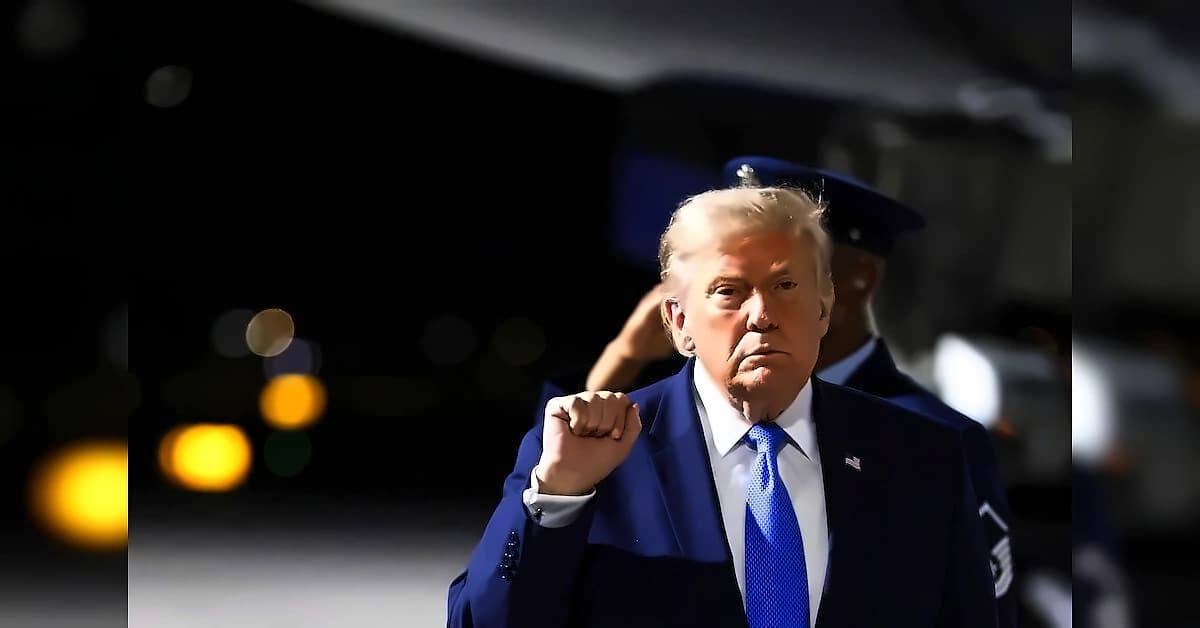
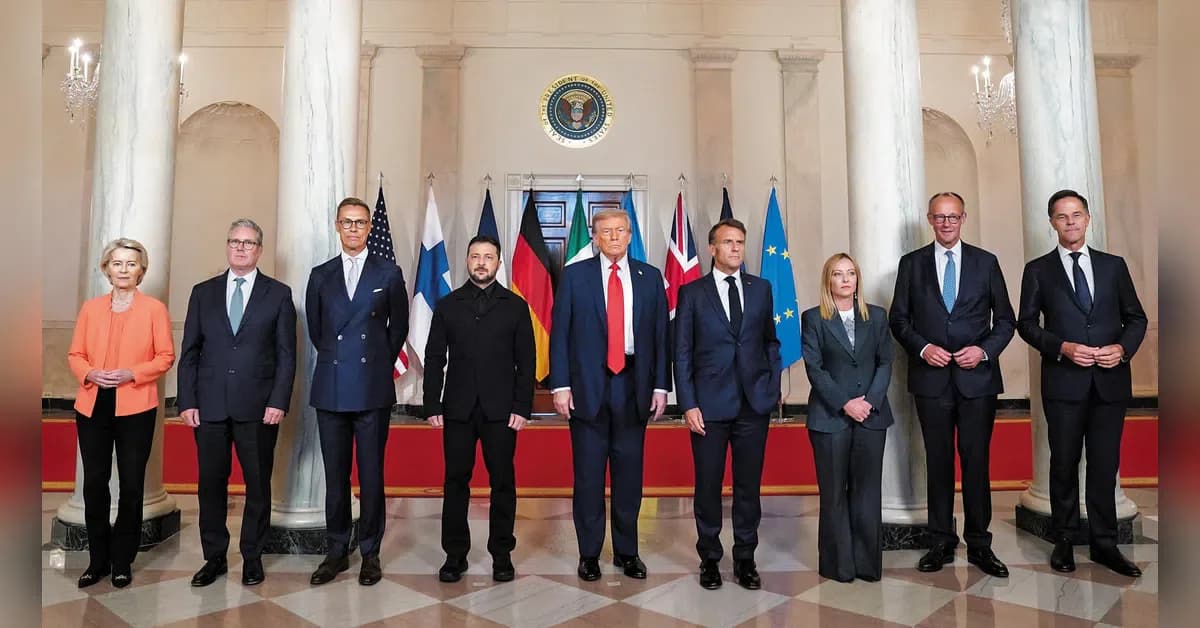
US President Donald Trump has signaled continued uncertainty over American troop deployments in Europe ahead of the NATO summit in Ankara, stating that any decision on reducing the US military presence would depend on future developments. Speaking before departing for the summit, Trump reiterated that Washington had invested heavily in the NATO alliance and argued that European members should be prepared to shoulder a greater share of the defense burden. As per the official White House Rapid Response account, Trump emphasized that "We've invested in NATO. Allies should be willing to help." The president also claimed that the US had used its actions during the Iran conflict to gauge the commitment of its allies, stating "I was testing allies when we went into Iran," adding that countries including France and Germany had declined to participate in the military action.
European Nato allies have successfully replaced the assets that the US has cut from its rescue plans in case of a war in Europe, according to Deputy Supreme Allied Commander Europe Sir John Stringer. Speaking to Bloomberg Television ahead of the alliance's summit in Ankara next week, Stringer confirmed that "European allies have definitely stepped up in terms of backfilling the adjustment in the U.S. forces in Europe," calling it a demonstration of "a stronger Europe in a stronger NATO." The replacement effort comes as allies work to address recent announcements by the US signaling a pivot away from the continent, with European members of NATO having mostly replaced the military assets the United States removed from its contingency plans for a potential conflict in Europe. Stringer noted that in areas where Europe couldn't provide equivalent capabilities, they are looking at alternate capabilities with matching effect, ensuring "burden-sharing and burden-shifting is now being done in a sensible, proportionate way, absolutely driven by military logic."
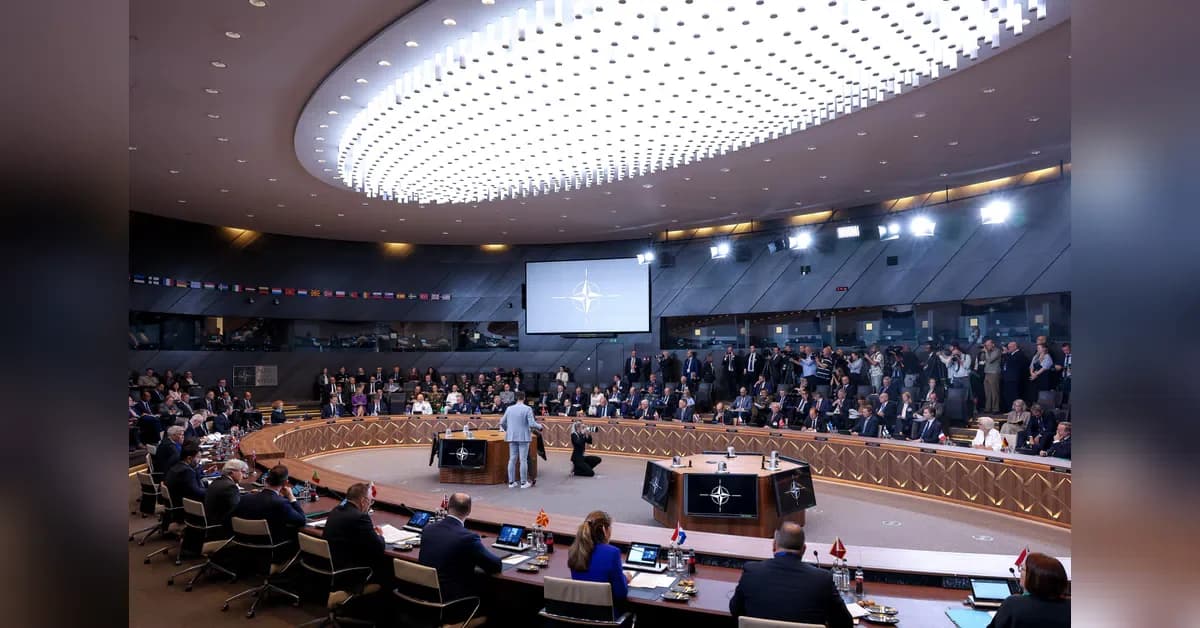
Stringer emphasized that "European allies have definitely stepped up in terms of backfilling the adjustment in the U.S. forces in Europe," calling it a demonstration of "a stronger Europe in a stronger Nato." The US recently announced massive cuts to forces it would send to Europe in case of war or crisis, prompting Nato's military command to ask European countries to make their uncommitted forces known. Stringer provided no details about the alternate capabilities being considered, but confirmed that "in those few areas where they do not currently have a like capability to replace, we are looking at alternate capabilities with matching effect." The changes prompted NATO's military command to ask European allies to identify additional capabilities they could contribute to the alliance. Trump's rhetoric toward NATO since his return to the White House has unnerved allies and prompted a rethink of defence spending in Europe, with US Secretary of Defense Pete Hegseth shocking allies at NATO headquarters in June by announcing a six-month review of US forces in Europe, signaling that more cuts may be ahead.
According to Colonel Martin L. O'Donnell, spokesperson at Nato's military command, "Europeans can and have stepped up" and even gone beyond 100% in the air and maritime domains. European allies have equipment that matches or exceeds US inventory in certain cases, with O'Donnell citing the example of a type of F-16 fighter jet to be received by Bulgaria. Some European forces are fielding equipment comparable to or more advanced than existing US systems, demonstrating the alliance's ability to maintain defense readiness despite US force reductions. In areas where European allies cannot provide identical capabilities, NATO is looking to achieve comparable operational effects through different military assets. The need to rebalance has been a factor for years and Europeans have stepped up, with Stringer appointed as NATO's second in command of operations in Europe this year as the alliance grapples with the war in Ukraine on its borders and an increasingly isolationist US.
Stringer addressed recent concerns about defense spending, noting that all 32 Nato nations agreed to reach 3.5% of GDP on core defense by 2035. When asked about British Defence Secretary John Healey's resignation over inadequate spending, Stringer stated that "nobody gets an opt out on that one" and emphasized that "Nato will expect all nations, including the UK, to live by their commitments." He noted that recent UK investment announcements are "absolutely aligned with where Nato sees our forces needing to go" to deter and defend the billion people under the Nato umbrella. The remarks come as European governments continue increasing defense budgets following Russia's invasion of Ukraine and amid growing expectations that Europe will assume a larger share of NATO's defense responsibilities as Washington reassesses its long-term military posture on the continent.