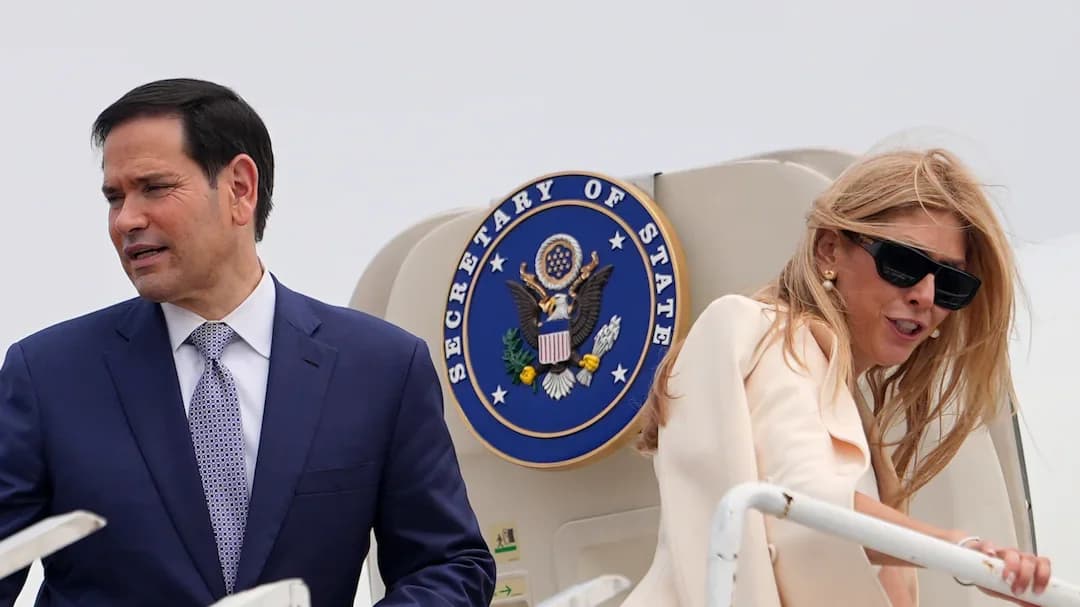
Secretary of State Marco Rubio is attending a Nato foreign ministers' meeting in Sweden on Thursday as part of his latest mission to reassure nervous US allies about the Trump administration's intentions regarding Nato. According to Associated Press, this meeting precedes a Nato leaders' summit in Turkey in July and comes amid significant uncertainty over American military commitments to European defense. The diplomatic engagement follows Rubio's recent missions to the Munich Security Conference in February and Italy, where he met with Italian officials and Pope Leo XIV after President Trump criticized the American pontiff. As reported by Associated Press, this latest mission represents Rubio's continued efforts to assuage nervous U.S. allies in Europe about the Trump administration's intentions with NATO and put a friendlier face on the whipsawing changes and uncertainty about American troop reductions.
The meeting occurs as the Trump administration faces confusion over US military presence in Europe. As reported by Associated Press, the Trump administration had decided to cancel the deployment of thousands of US troops to Poland and Germany, but then the president posted on social media Thursday that 'the United States will be sending an additional 5,000 Troops to Poland'. Rubio declined to discuss further changes to American military presence in Europe during his departure to the Helsingborg, Sweden meeting, including potential reductions under the Nato Force Model contingency plan for European defense. The Pentagon referred requests for comment to the White House, which did not immediately respond to messages seeking clarity about the latest troop deployment announcement.
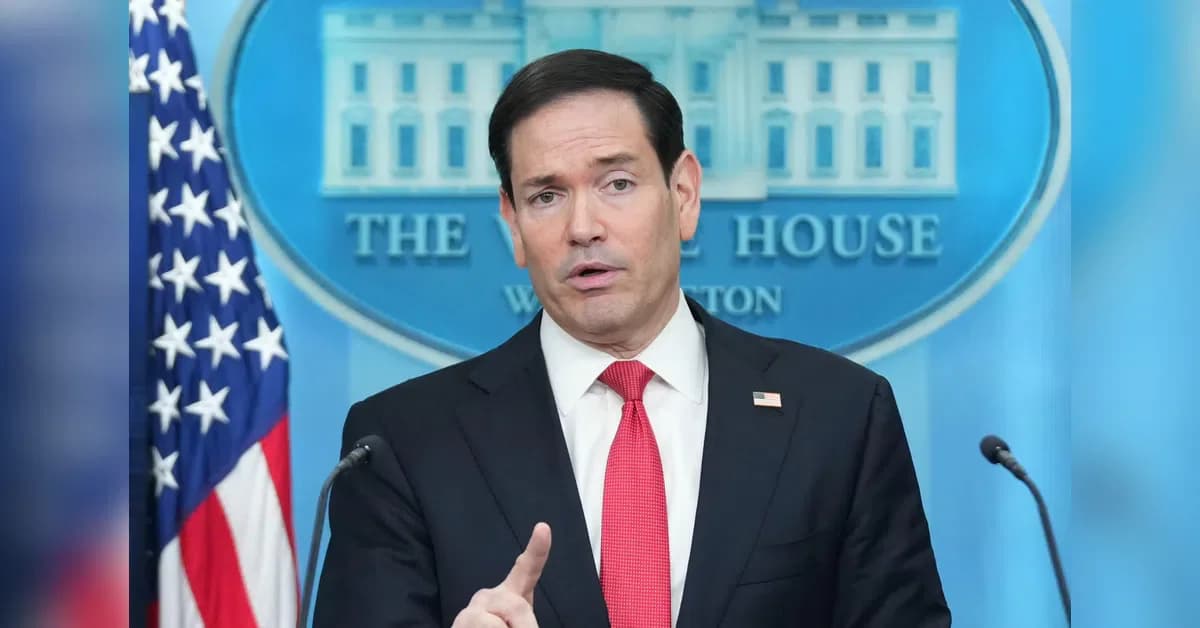
Rubio expressed significant disappointment with Nato's response to recent conflicts, telling reporters in Miami before boarding his plane that 'I don't think anyone is shocked to know that the United States, and the president in particular, is very disappointed at Nato right now.' According to Associated Press, he criticized that some Nato allies, notably Spain, had refused to allow access to US bases for the Iran conflict and others had been reluctant to join a coalition to reopen and protect the Strait of Hormuz. Rubio questioned the alliance's value, stating 'I know why Nato is good for Europe, but why is Nato good for America?' He noted that nearly all NATO allies agree that Iran should not be allowed to develop nuclear weapons, but few stepped up when Trump said he would take action to prevent it. 'He's not asking them to commit troops. He's not asking them to send their fighter jets in. But they refuse to do anything, and so I think the President looks at that and says, Hold on a second,' Rubio said.
Nato Secretary-General Mark Rutte said Wednesday that US allies have known for a year that the Trump administration would be withdrawing some troops from Europe, as reported by Associated Press. Rutte expects 'Europe and Canada to take a bigger responsibility for the conventional defence of Nato and particularly, of course, the European part of Nato.' US Gen Alexus Grynkewich, commander of both American and Nato forces in Europe, warned that allies should expect more drawdowns in the coming years while emphasizing that security in Europe would not be compromised. The Trump administration has warned that Europe would have to look after its own security, including Ukraine's, in the future. NATO officials have downplayed the changes to US troop levels in Europe, saying they have been long planned and do not come as a surprise, yet the announcements have blindsided some allies and came despite US promises to coordinate military moves to avoid creating security gaps.