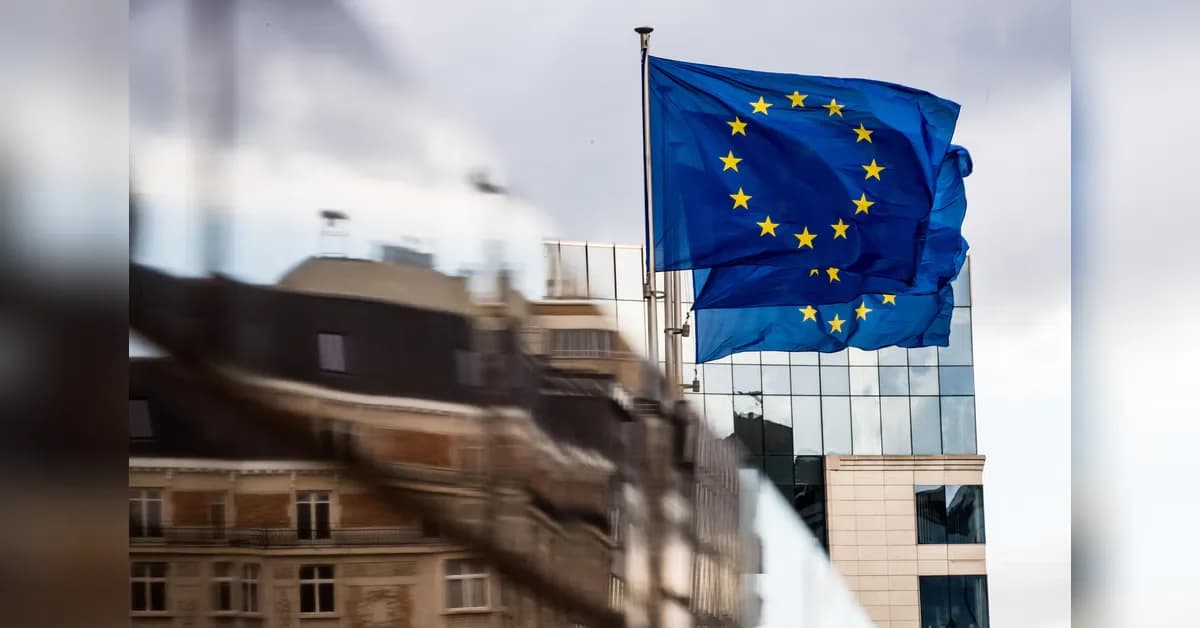
The European Union and Republic of Korea have significantly deepened their strategic partnership through their 11th Summit in Brussels on June 10, 2026. According to the latest reports, President Ursula von der Leyen emphasized that the partnership has never been more important, stating they are working together to strengthen economic security and drive innovation. The leaders agreed to launch a new Competitiveness Partnership to enhance cooperation on key policies including trade, investment, supply chains, digital technologies, energy, and innovation. This partnership will be supported by a High-Level Economic Dialogue to reinforce economic ties and deepen cooperation on economic security, trade, and industrial policy.
A landmark achievement of the summit was the EU-ROK Digital Trade Agreement, which will consolidate trade cooperation in the digital sphere and ensure safe and reliable data flow. As reported by INSIGHT EU MONITORING, both sides are fully committed to ensuring fair competition in their respective markets and welcome the signature of this digital trade agreement. The partnership also includes ₹15 lakh crore ($150 billion) in loans to promote joint military purchases and ₹7.5 lakh crore ($90 billion) to Ukraine, with funds directed toward European defence firms. The leaders committed to expanding the EU-Republic of Korea Security and Defence Partnership, including enhanced cooperation on cyber and hybrid threats, foreign information manipulation and interference, and maritime security. The joint statement emphasizes their commitment to ₹1.2 lakh crore ($1.2 trillion) in annual investments focused on digital technologies, climate-friendly energy, and defence capabilities.
Europe faces significant challenges in artificial intelligence competitiveness, with the US attracting 75% of global AI venture capital funding in 2025 compared to the EU's 6% share. As reported by Business Standard, France has secured ₹6.25 lakh crore ($75 billion) from SoftBank Group Corp. for data centres, while Spain has committed ₹7.5 lakh crore ($80 billion) from Amazon.com Inc. and Microsoft Corp. The EU has proposed a ₹1.2 lakh crore ($120 billion) public-private semiconductor project and a ₹2.5 lakh crore ($30 billion) jointly funded AI chip foundry. The leaders have now concurred to conclude a Cooperation Arrangement on AI to support further innovation and governance cooperation, recognizing the importance of AI safety, human rights protection, and continued AI governance cooperation for responsible use of AI technologies.
The summit addressed critical global security challenges, with leaders reaffirming their commitment to peace and stability on the Korean Peninsula and supporting the ROK's efforts to resume inter-Korean dialogue. They discussed recent developments in the Middle East, calling for de-escalation and restraint while ensuring freedom of navigation and safe transit passage in the Strait of Hormuz. The leaders emphasized their support for freedom of navigation and overflight, including in the South China Sea, and stressed the importance of preserving peace and stability across the Taiwan Strait while opposing unilateral attempts to change the status quo in the Indo-Pacific. They committed to working together within the G20 and other relevant frameworks to address global macroeconomic imbalances and excessive imbalances in a cooperative manner.
The reform strategy faces significant implementation challenges, particularly regarding funding mechanisms and political consensus. According to Business Standard, the six largest EU economies are pushing for ₹1.2 lakh crore ($1.2 trillion) in joint debt financing, known as eurobonds, to access capital markets at attractive rates. However, Germany remains opposed to debt-fueled spending, creating potential roadblocks for the long-term budget negotiations scheduled for 2028-2034. The reforms also risk altering Europe's traditional identity as a free-trading, budget-balancing consensus-oriented project, potentially moving toward more capitalist US or protectionist China models. Former EU Commissioner Margrethe Vestager emphasized this represents 'a race for Europe to be a much better version of herself' rather than imitation of other economic models, with corporations now testing whether this time the rhetoric is for real through merger activities across banking, telecom, and defense sectors.