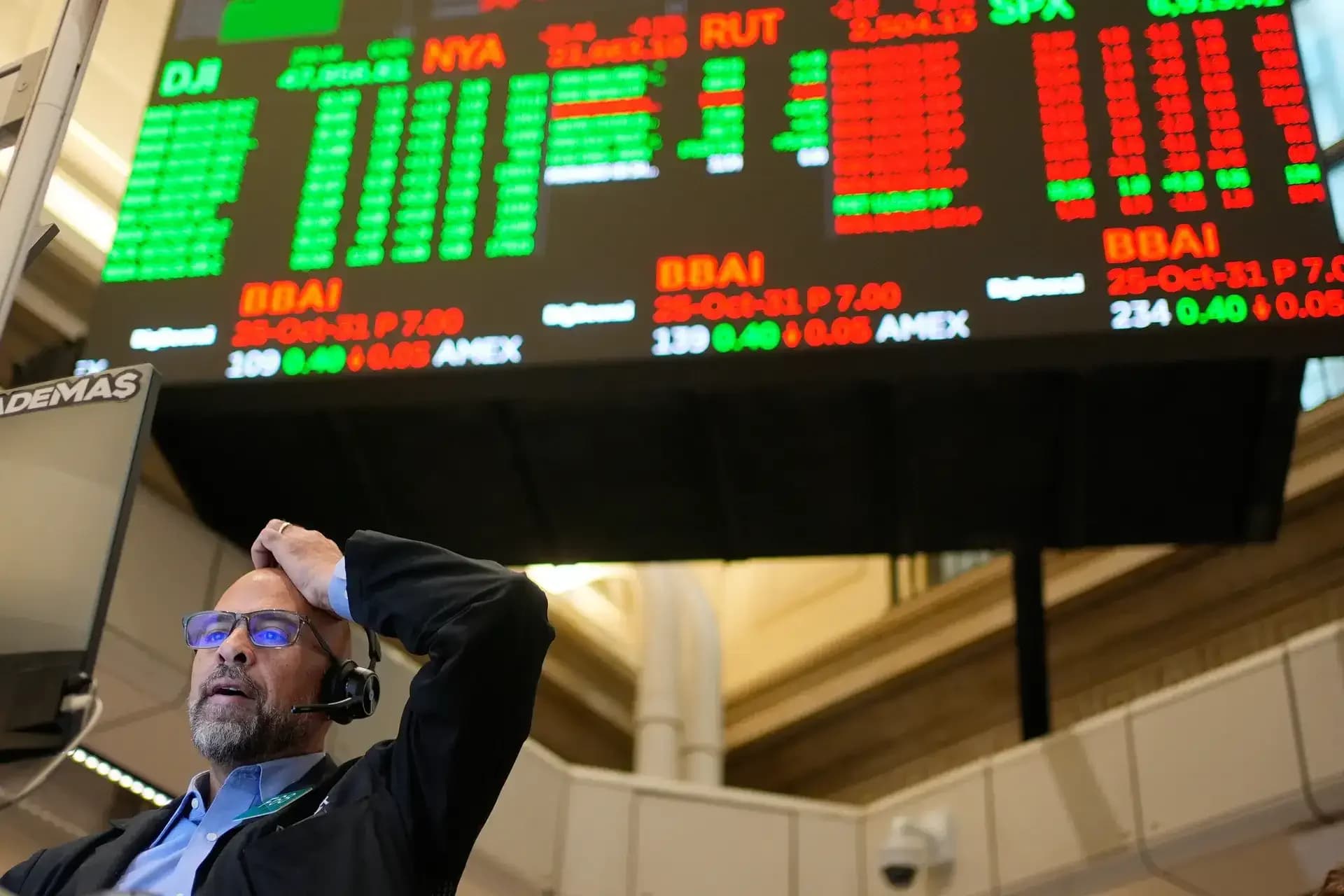
US stocks inched to new records on Wednesday with the Dow Jones Industrial Average climbing 189.08 points, or 0.37%, reaching 50,650.76. The S&P 500 rose 1.81 points to 7,520.93, adding to its all-time high set the previous day, while the Nasdaq Composite gained 18.55 to 26,676.60. According to Associated Press, the consumer goods sector led gains, with Bath & Body Works rallying 9.7% and Abercrombie & Fitch climbing 8.9% after both companies reported bigger profits for the latest quarter than analysts expected. The positive momentum was driven by hopes that lower oil prices will remove a significant drag on corporate profits.
Markets found significant support after US crude oil prices fell dramatically, with benchmark U.S. crude dropping 4.32% to settle at $89.83, bringing prices back to where they were in mid-April. As reported by Investing.com, Brent crude oil fell 3.66% to $95.94, remaining below the $100 a barrel mark for the third consecutive day. As of early Wednesday trade in Europe, WTI Crude, the U.S. benchmark, is down by 4.32% at $89.83 per barrel. The decline followed reports from Iran's state television indicating the country remains committed to restoring commercial traffic through the Strait of Hormuz to pre-war levels within a month. However, crude oil prices fell further on Wednesday, with Brent falling below $93 per barrel and West Texas Intermediate trading under $90 per barrel amid growing optimism that the US and Iran could reach a peace agreement. Iranian state media reported that a draft peace memorandum stated that shipping through the Strait of Hormuz would resume and the US would remove its naval blockade, though the US denied that report and called it a "complete fabrication."

Consumer discretionary stocks led the gains as the broader market took a pause from the AI-led rally while investors watched Middle East peace talks cautiously. According to Associated Press, Norwegian Cruise Line Holdings climbed 6.1% and United Airlines rallied 6.3% as stocks of companies with big fuel bills helped lead the way on hopes that lower oil prices will remove a big drag on their profits. Delta Air Lines rose 3% and set an all-time high, while Exxon Mobil fell 1.3% and Chevron slipped 1.3%. Halliburton dropped 3.6% to bring its year-to-date gains back toward 40%, as oil-and-gas stocks sank despite the broader market gains. Banking stocks were mixed as JPMorgan Chase shares slid after CEO Jamie Dimon warned that expenses this year could be $1 billion higher than estimated. Canadian banks showed strong quarterly results, with BMO Financial, Bank of Nova Scotia and National Bank of Canada beating analysts' estimates for quarterly profits, though National's shares were down 4% despite the positive earnings.
The broader chip sector came under pressure on Wednesday, with Intel falling and Marvell Technology declining after a strong rally. Qualcomm fell sharply after sharp gains Tuesday, while Nvidia weakened and the Philadelphia SE Semiconductor index lost after hitting a record high on Tuesday. According to Associated Press, memory giant Micron (MU) still extended its gains a day after topping a $1 trillion market capitalization for the first time. Zscaler tumbled after the cloud security firm projected fourth-quarter revenue below expectations, highlighting the mixed performance in the technology sector. Marvell Technology (MRVL), Salesforce (CRM), and Snowflake (SNOW) are set to report after the closing bell on Wednesday. Earnings season continues to wrap up this week, with Abercrombie & Fitch (ANF) beating estimates on earnings per share but missing on revenue before the bell.
Goldman Sachs raised its 2026 year-end forecast for the S&P 500 to 8,000 from 7,600, citing continued strength in corporate earnings. According to LPL Financial, "Technology leadership remains difficult to ignore, with the sector continuing to push to new highs on both an absolute and relative basis compared to the broader market." However, increasingly stretched momentum conditions and elevated positioning raise questions around the near-term durability of the advance. Markets will next look toward the personal consumption expenditures index data on Thursday, which could provide fresh clues on the monetary policy path forward under new chair Kevin Warsh. The Toronto Stock Exchange's S&P/TSX composite index ended down 241.82 points, or 0.7%, marking its second straight day of losses after touching a record closing high on Monday, as oil and gold prices dropped and some Canadian banks reported quarterly results.