The 2026 emerging markets landscape is being fundamentally reshaped by the extraordinary dominance of the AI and semiconductor theme. Taiwan Semiconductor Manufacturing Company (TSMC) now constitutes a larger share of the MSCI Emerging Markets Index than all the stocks in India combined, and is reportedly held by around 92% of global equity funds, making it more widely owned than any single US stock. Taiwan Semiconductor Manufacturing represents roughly 13-15% of the entire MSCI Emerging Markets Index, a remarkable concentration for a single stock. The company, known as the world's largest and most advanced semiconductor manufacturer, produces around 90% of the most advanced computer chips in the world and drives advancements in AI, 5G and high-performance computing. Meanwhile, South Korean chipmakers Samsung and SK hynix have rallied hard on AI memory demand, with SK hynix climbing into the top holdings of major emerging markets indices on the back of soaring demand for high-bandwidth memory chips essential in AI accelerators.
Emerging markets have demonstrated remarkable resilience and outperformance in the second quarter, with the MSCI Emerging Markets Index outperforming both the MSCI ACWI and S&P 500. According to Ariel Investments, global equity markets advanced sharply during Q2, driven by easing geopolitical tensions and resilient technology-sector fundamentals. Technology holdings led performance during the quarter, reflecting continued investor enthusiasm for companies positioned at the center of the rapidly expanding AI infrastructure buildout. This outperformance comes despite earlier volatility marked by escalating conflict in the Middle East, as markets recovered following a ceasefire that helped stabilize regional tensions.
Despite global turmoil including war, tariffs, and AI market volatility, emerging markets have demonstrated remarkable resilience through stronger domestic financial systems. As reported by Reuters, emerging market debt inflows reached a more than two-decade high with foreign investors plowing $214.4 billion into emerging market debt through July, up from $177.7 billion in the same period last year. Emerging market nations also sold roughly $19 billion of bonds in July, twice the average for the month over the past decade, putting year-to-date issuance at a record $187 billion. This comes as many emerging economies earned credit-rating upgrades, with countries including Pakistan, Ghana, Ecuador, Nigeria and Argentina receiving upgrades. According to LGT Capital Partners, emerging markets have spent years beefing up central bank independence and foreign currency reserves, positioning them better than developed markets. However, Capital Economics data shows $86 billion of equities outflow through July, nearly 10 times the outflows at the same point in 2025, as AI mini boom-and-bust cycles have ramped up volatility in emerging market equities.
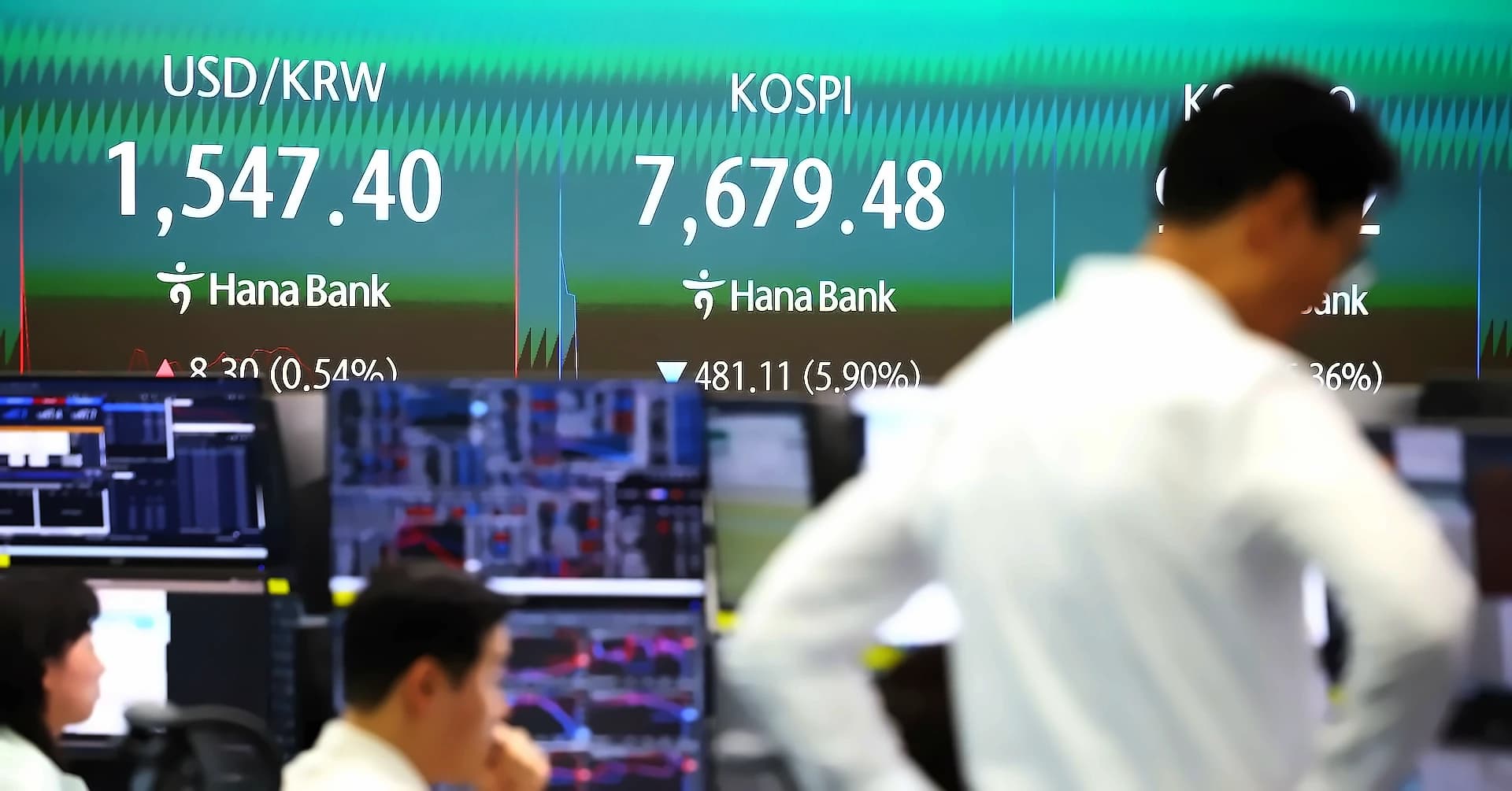
Markets have dramatically re-priced Federal Reserve expectations following recent economic data. According to Investing.com India, soft July payroll growth and cooling inflation shifted investor sentiment from anticipating multiple Fed rate hikes to expecting an extended pause. Private payrolls increased by just 30,000 in July, well below the previous 12-month average gain of 119,000, while the Consumer Price Index showed broad-based disinflation across most categories. The Fed's most likely next move is to keep the federal funds rate unchanged within its current target range of 3.50–3.75%. As expectations for additional immediate-term rate hikes receded, risk appetite improved, helping push the S&P 500 to new highs. However, Reuters reports that U.S. Treasury yields — the basis on which emerging market borrowing costs are priced — are near multi-year highs, creating additional pressure on emerging market currencies.
Emerging economies have significantly reduced their dependence on foreign investors through domestic capital market development, with stronger domestic bond markets and improving financial resilience changing how emerging economies respond to global volatility. According to research from JPMorgan and UBS, local-currency sovereign bonds outstanding totalled roughly $13 trillion by end-2024, compared with about $1.4 trillion of international hard-currency sovereign debt. As reported by Reuters, emerging economies — especially larger ones such as South Africa or Brazil — now finance themselves overwhelmingly through domestic debt markets, with countries such as Brazil and South Africa increasingly relying on domestic buyers to fund government borrowing. This domestic diversification has helped cushion countries from global shocks, with local investors playing a stabilizing role and reducing the frequency of liquidity crunches. The war, which began in February, has largely closed the key Strait of Hormuz passage and boosted global oil and fertiliser prices, but local investors have helped buffer developing nations from these impacts. According to PGIM, local investors are helping buffer developing nations from global risk, with the pattern of how shocks spread into EM financial markets being fundamentally different nowadays.