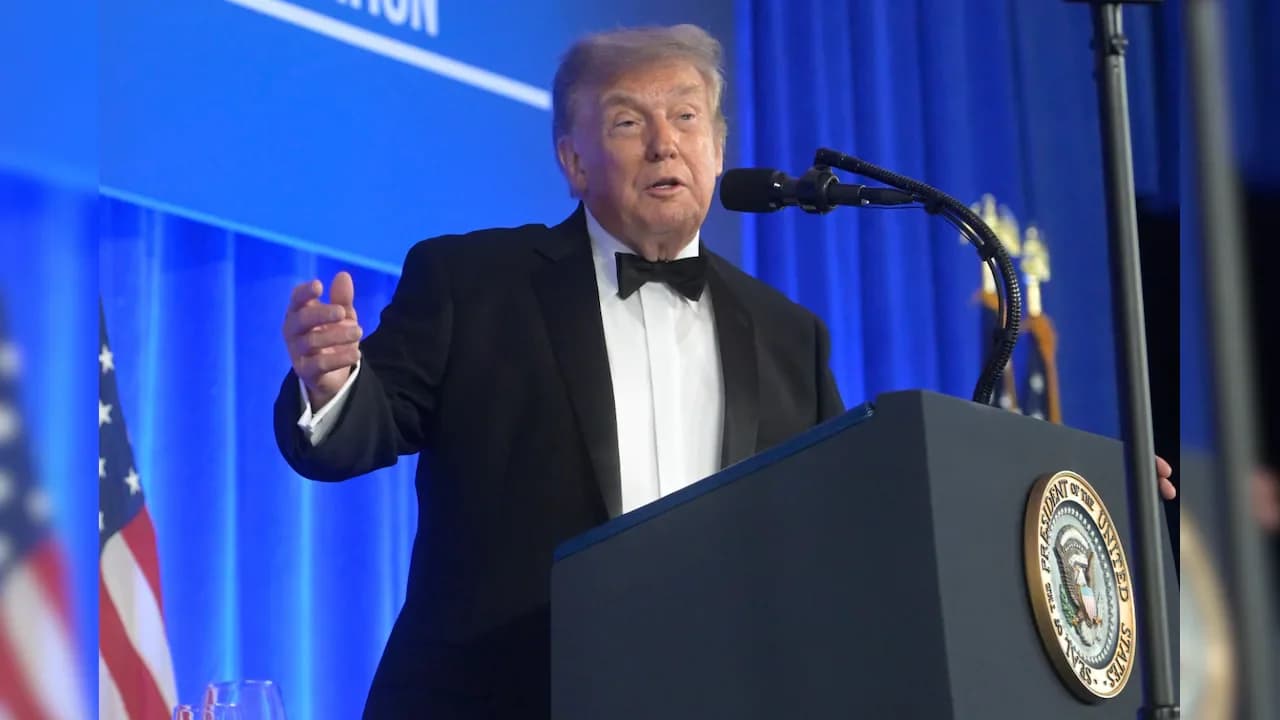
The Trump administration has filed an appeal challenging a federal court's decision to strike down the $100,000 H-1B visa fee. The Justice Department filed a notice on Thursday announcing its intention to appeal the Monday ruling, which was a major blow to the president's campaign to restrict immigration and boost demand for US workers. The case, State of California v. Mullin, 25-cv-13829, was heard in the US District Court for the District of Massachusetts, where Judge Leo T. Sorokin sided with a group of states that sued over the policy.
Trump had announced the $100,000 payment in September 2025 through a presidential proclamation, requiring employers to pay the charge when hiring certain new H-1B workers from overseas. This represented a dramatic increase from the $2,000 to $5,000 filing costs that companies previously faced. The H-1B system allows American employers to bring in foreign professionals for specialty roles requiring at least a bachelor's degree, with an annual quota of 65,000 regular H-1B visas and 20,000 additional slots for advanced degree holders. According to Bloomberg reports and government records, by mid-February, immigration authorities had received only 85 payments under the scheme, indicating that very few employers were willing or able to pay the substantial new requirement.
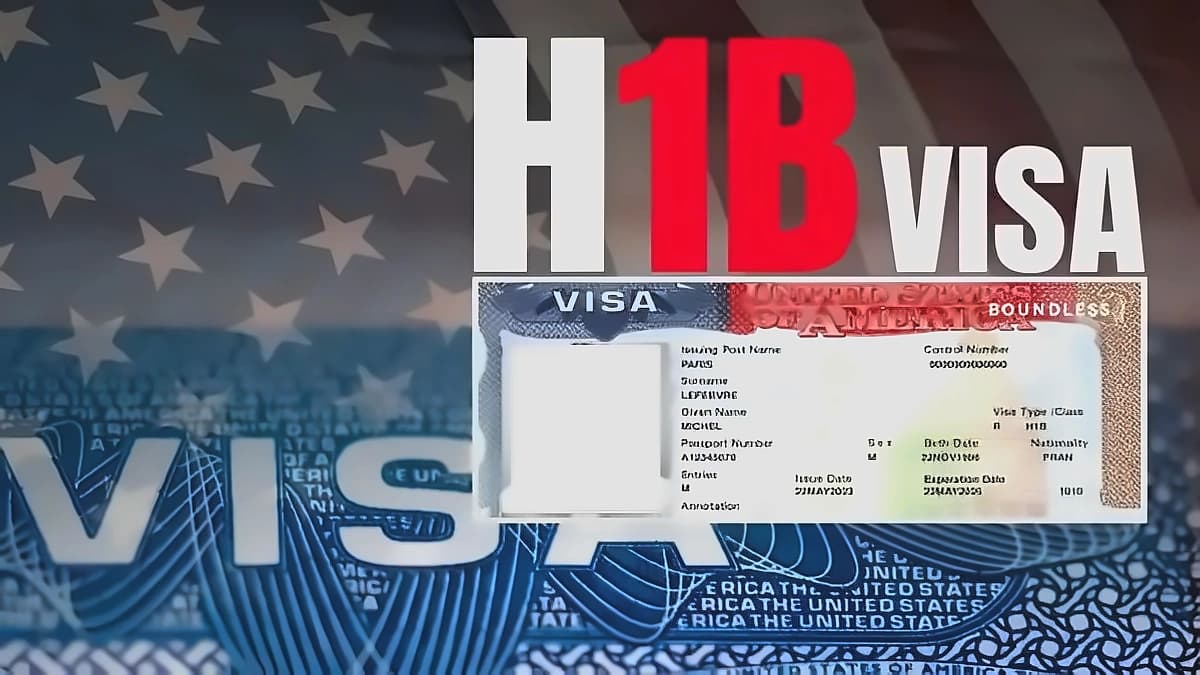
A coalition of 20 Democratic state attorneys general led the successful challenge against the Trump policy, arguing that the White House had effectively created a substantial tax on employers without congressional consent. Judge Sorokin sided with the states after reviewing the proclamation, writing that "the substance and application of the $100,000 payment reveal that it is a tax, regardless of what the payment is called." The judge emphasized that only Congress can authorize such a wide-ranging financial burden on employers, stating that the move exceeded the president's authority under the Immigration and Nationality Act and clashed with the US Constitution's allocation of taxing powers.
Business associations, universities and hospitals had warned that the huge new charge would sharply raise hiring costs and discourage recruitment of foreign professionals. Smaller firms and startups argued that the fee would make H-1B hiring practically impossible. The policy was particularly concerning for institutions that rely on specialist staff, with evidence suggesting it could weaken regional economies, research activity and patient care. Indian nationals receive almost 70% of these visas each year, making the ruling particularly significant for Indian professionals seeking to work in the United States.
The Massachusetts ruling deepens a growing divide within the US judiciary over Trump's immigration restrictions. In a separate lawsuit, a federal judge in Washington had earlier upheld the same $100,000 fee, finding that Trump possessed broad powers to limit foreign national entry. The case is one of at least three lawsuits challenging the president's initiative, with the US Chamber of Commerce and a nurse recruiting firm pursuing two separate cases against the administration's policy. In December, a judge rejected the Chamber's request to block the fee and the Chamber appealed the decision to a federal appeals court in Washington. For employers and workers, the latest judgment removes an immediate barrier to hiring under the H-1B programme, providing relief particularly to technology companies, research universities and hospitals that had warned the policy would disrupt operations.