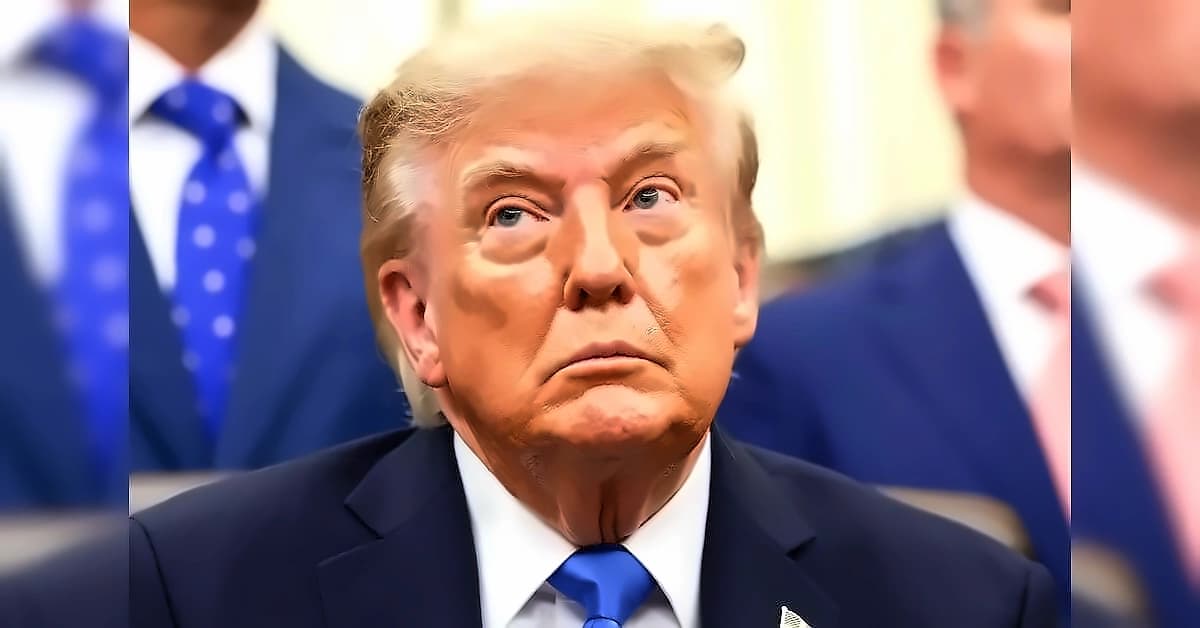
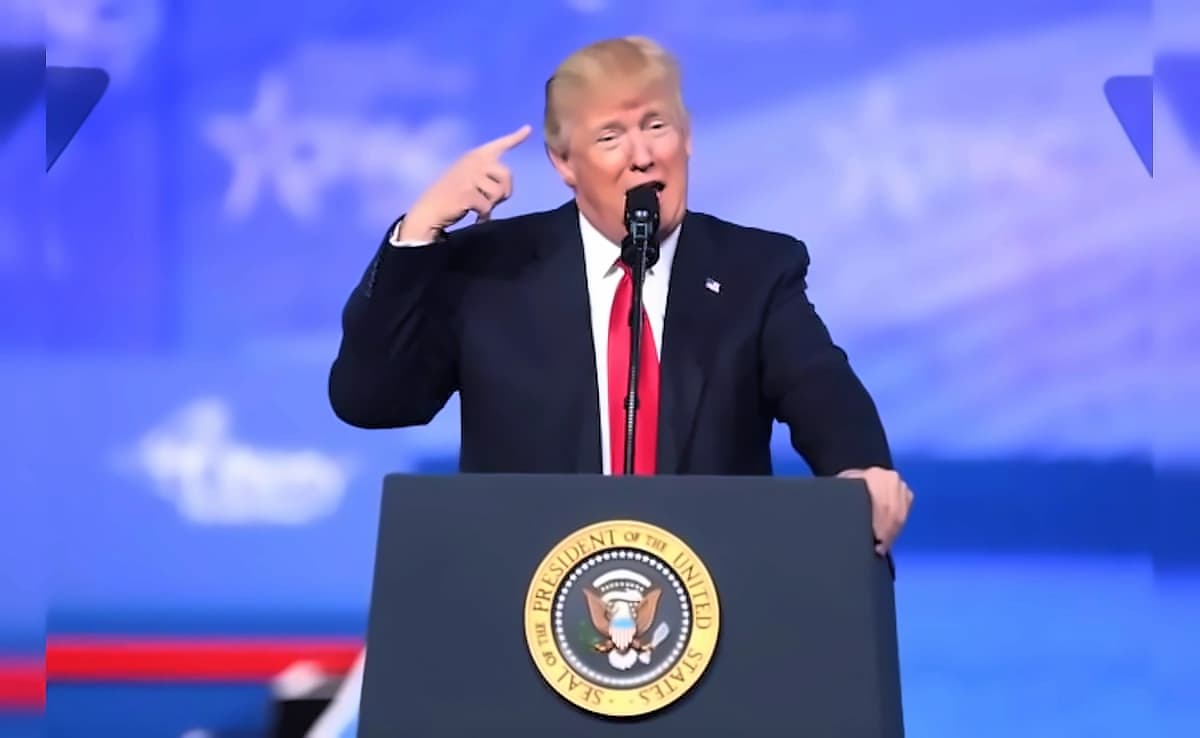
A federal judge in Ohio has delivered a significant blow to the Trump administration's immigration policies, ruling against the White House based on racial bias allegations. U.S. District Judge Algenon Marbley ordered the White House to unfreeze immigrants' benefit applications, citing 'outright hostility towards immigrants, both before and after the 2024 presidential election.' The judge specifically highlighted Trump's comments about immigrants from 'shithole countries' and his claims that Haitians are 'poisoning the blood' of the country. Judge Marbley, nominated to the federal bench by President Clinton in 1997, noted that 'their ire appears focused on immigrants from countries in the Caribbean, South America, Africa, and Asia.' The ruling affects applications for work authorization and green cards from people in the U.S. from countries including Burma, Canada, Iran, Nigeria, Syria, Tanzania, and Venezuela, providing relief to immigrants who have been subject to discriminatory policies.
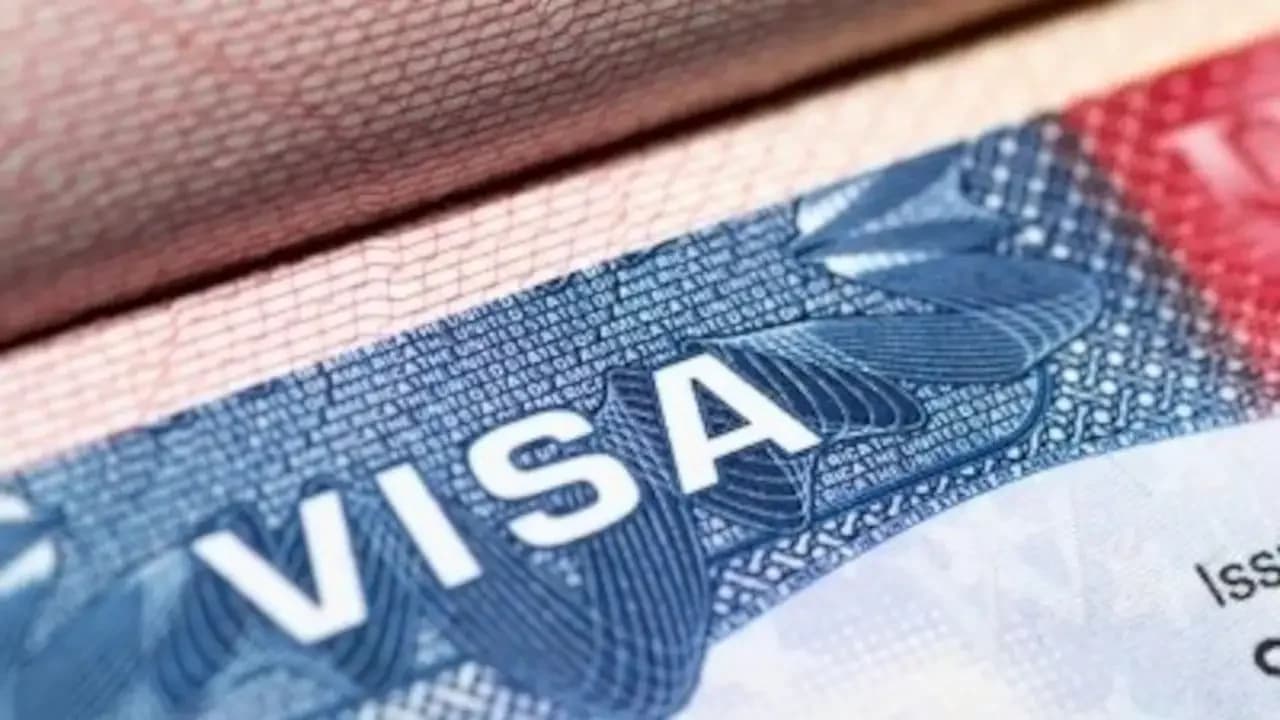
The controversial $100,000 H-1B fee remains in effect following recent legal developments. On June 8, 2026, the U.S. District Court for the District of Massachusetts struck down the fee, holding that the executive branch lacked authority to impose it because it functioned as a tax that had not been authorized by Congress. The lawsuit was filed by a coalition of states led by California, which argued that the fee exceeded the President's legal authority. However, the Administration promptly appealed the decision and sought a stay of the ruling, with the court issuing an administrative stay on June 12, 2026, temporarily pausing the June 8 decision while the government seeks further relief from the U.S. Court of Appeals for the First Circuit. The administrative stay does not address the merits of the case but preserves the status quo while appellate proceedings move forward. Employers filing affected H-1B petitions should therefore continue to anticipate the fee and seek counsel before making any business decisions based on the federal litigation.
The Trump administration has unveiled an ambitious immigration regulatory agenda covering multiple visa categories and immigration processes. According to reports from Business Standard, the roadmap was released through regulatory agendas of the Departments of Homeland Security (DHS), Labor (DOL), and State, outlining proposed and final rules for H-1B visas, Green Cards, international students, naturalisation, prevailing wages, PERM labour certification, and employer compliance. While none of the proposed rules have taken effect yet, they signal the administration's priorities and offer a preview of potential changes over the next year. The latest Unified Regulatory Agendas released by the US Departments of Homeland Security (DHS), Labour (DOL) and State (DOS) offer the clearest indication of the administration's immigration priorities, with several proposals expected to move forward as early as July and August 2026.
DHS plans to introduce new regulations in August 2026 that would significantly revise eligibility criteria for H-1B cap exemptions. As reported by Business Standard, these changes would tighten rules governing third-party placement of H-1B employees and impose greater scrutiny on employers found to have violated programme requirements. The reforms could particularly impact Indian professionals, who account for the overwhelming majority of H-1B visa holders, affecting both employers and new applicants seeking to work in the US. The H-1B visa program, which allows US companies to hire highly skilled foreign professionals and is capped at 85,000 new visas annually, faces significant changes with the DHS expected to publish a draft rule in August that would tighten several aspects of the program. The proposal could narrow existing exemptions from the H-1B cap for universities and certain research organisations, while strengthening oversight of employers with previous compliance violations and imposing stricter requirements on companies that place H-1B workers at third-party client sites.
The Department of Labor is considering changes to prevailing wage calculations that could significantly increase sponsorship costs for employers. According to Business Standard, the proposal would increase the minimum entry-level wage from the 17th percentile to the 34th percentile for a given occupation and location. This change would apply to H-1B, H-1B1, E-3 visas and PERM Green Card applications, potentially reducing hiring for entry-level positions while increasing labour costs for employers sponsoring foreign workers. Separately, the Labour Department is considering reforms that could increase the cost of sponsoring foreign workers for H-1B visas and employment-based Green Cards, with if approved, the changes could introduce stricter eligibility requirements, additional documentation, tougher employer compliance checks and higher costs for companies hiring foreign workers.
DHS is preparing two major changes affecting international students that could make studying and working in the US more restrictive. As reported by Business Standard, the administration plans to replace the current 'duration of status' system with fixed admission periods for F-1 and J-1 visa holders, requiring students to apply for extensions if their programme extends beyond the authorised stay. India was the largest source of international students in the US during the 2024-25 academic year, with more than 360,000 Indian students enrolled. Additionally, the administration is expected to propose changes to Optional Practical Training (OPT), STEM OPT extensions and Curricular Practical Training (CPT), potentially limiting work opportunities after graduation. The third-party placement model is widely used by Indian IT and consulting firms, with the proposed rules requiring employers to provide stronger evidence of a bona fide employer-employee relationship, submit additional supporting documentation and demonstrate that H-1B workers will perform specialised duties at client locations.
The regulatory agenda represents a roadmap rather than immediate law, with most proposals requiring extensive review processes. According to Business Standard, most proposals will first be published as draft regulations, followed by a 30- to 60-day public consultation period before agencies review feedback and decide whether to finalise the rules. The rulemaking process typically takes several months, though interim rules can be implemented more quickly in certain circumstances. Immigration fees may also rise again, with DHS expected to propose higher baseline immigration fees later this year, including increases affecting some humanitarian applications. If approved, the changes could introduce stricter eligibility requirements, additional documentation, tougher employer compliance checks and higher costs for companies hiring foreign workers.