The Bureau of Labor Statistics delivered a stunning surprise in its latest Consumer Price Index data, with core inflation declining to -0.02% on a month-over-month basis, representing a massive miss against the Bloomberg consensus forecast of +0.23%. According to reports from Investing.com India, this marks the largest decline in core CPI since March 2017, with the only comparable drops occurring during the pandemic months of March, April, and May 2020. The headline CPI also fell sharply to -0.42% month-over-month, significantly below the expected -0.12% reading. As noted by Enduring Investments, this represents an outright decline in core CPI - a rare occurrence that has only happened during major economic disruptions, with the last comparable decline occurring in March 2017 due to a 7% single-month decline in Wireless Telephone Services caused by unlimited data plan shifts. The analysis from Enduring Investments confirms that an outright decline in core CPI is rare, with the last-12-core numbers chart looking more like headline CPI than core CPI, partly due to October/November dips caused by BLS shutdown handling and April spikes from rental survey paybacks.
The core inflation decline was primarily driven by several unusual factors, including lodging away from home declining 2.32% month-over-month despite World Cup expectations, motor vehicle insurance falling at a 22% annual rate, and used cars declining 0.23%. As reported by Investing.com India, rents also contributed to the decline with primary rents at +0.15% and owner's equivalent rent at +0.24%, down from previous month's +0.36% and +0.30% respectively. According to Enduring Investments, airfares were +0.21% month-over-month, which was surprising since it's mostly a pass-through for energy costs, but the gasoline drag was largely in line with forecasts. The analysis suggests these outliers are more likely temporary than fundamental shifts, with housing and cell phone services showing signs of recovery to more normal levels. Enduring Investments notes that cell phone services declined 1.5 points on the index, which is unusual for a category with a 1.5% weight in the CPI, though the 2017 decline was more severe at 3.7 points. The report also highlights car insurance as a notable 2.7% of CPI, with potential effects from declining used car prices and perhaps mass deportations reducing uninsured motorists.

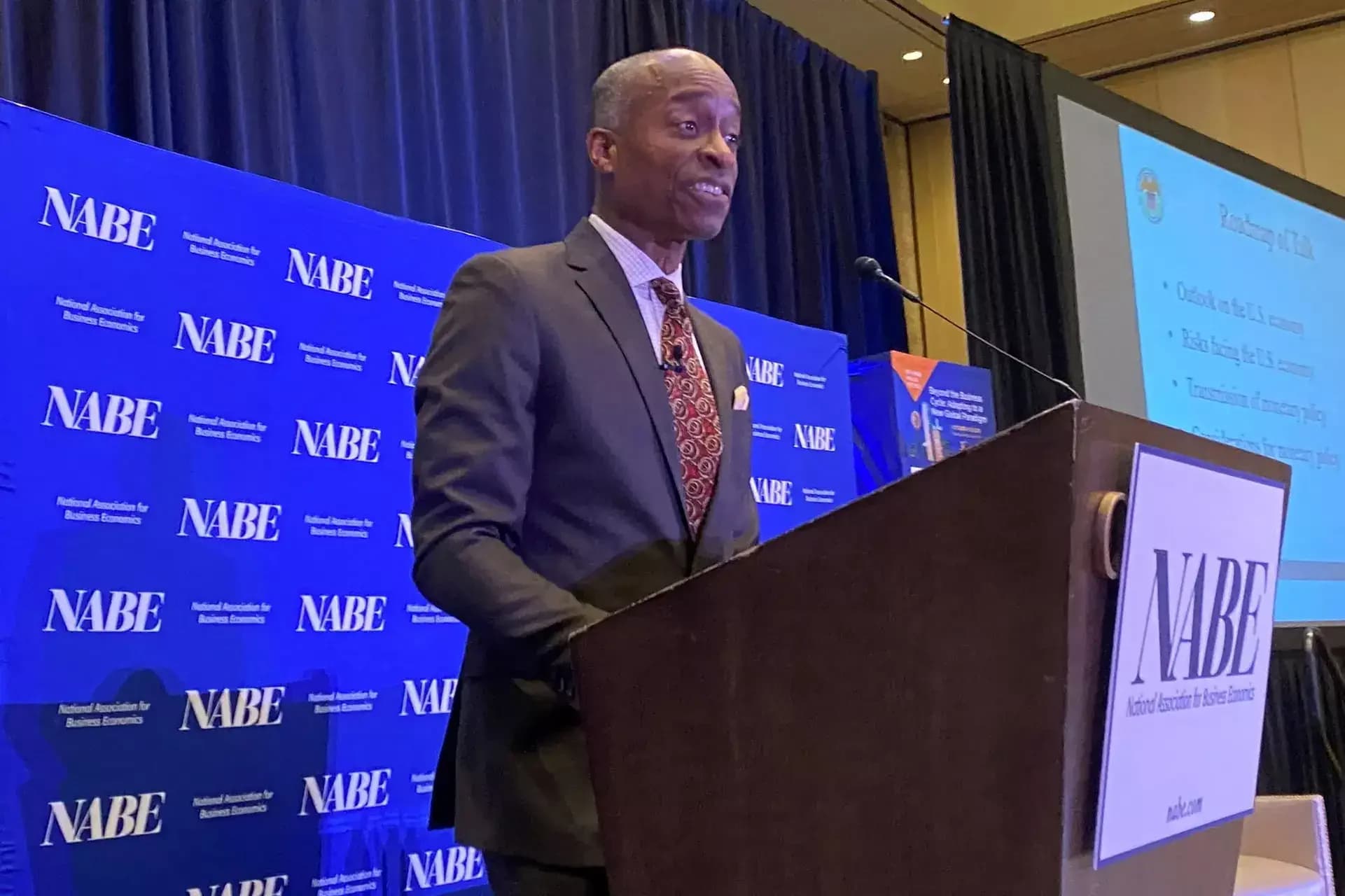
The dramatic inflation decline provides significant support for the Federal Reserve's dovish stance under new Chairman Jerome Powell. According to Investing.com India, the data makes it extremely unlikely that any US policy interest rate hikes will occur this year, as the new Chairman's preference for a smaller balance sheet and lower interest rates already retarded inflation. Following the inflation data, the likelihood of the Fed holding rates steady at its meeting later this month surged from roughly 58% yesterday to 88%, as reported by CNBC. While the market is still pricing in a rate hike at the Fed's September meeting, the odds of the rate-setting Federal Open Market Committee leaving rates unchanged in September jumped from about 25% yesterday to over 40% as of this writing. As Enduring Investments observes, there was little chance of any hike in US policy interest rates this year before this number, but there is even less of a chance now. The latest data has also sharply reduced market expectations for a July Fed rate hike, with FedWatch probabilities dropping from 41.7% to 12.3% following the June CPI release. The report emphasizes that from Warsh's perspective, this is obviously very welcome, with the conspiracy theorists noting that there's nothing other than gasoline that feels like its price is declining, yet the actual data shows both headline and core declining simultaneously.
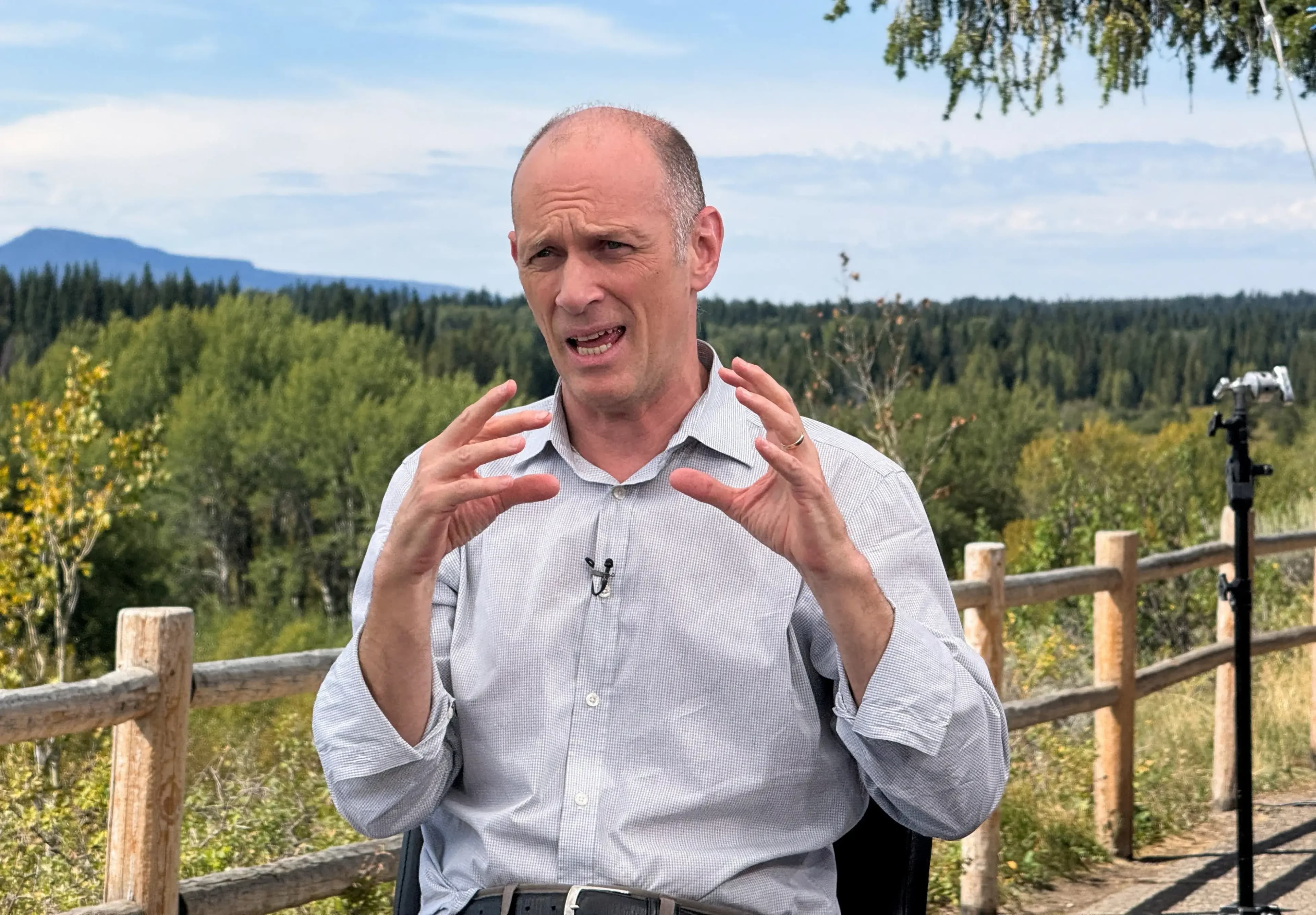
According to Ed Yardeni, President of Yardeni Research, the softer CPI data has reduced the case for another rate hike, with the Fed likely to maintain its restrictive policy stance until inflation moves closer to its 2% target. Yardeni noted that inflation could pick up again in July, including from artificial intelligence-related demand, but expects the Fed to stay on hold rather than tighten policy further. He highlighted that the personal consumption expenditures (PCE) price index—the Fed's preferred inflation measure—has remained relatively stronger than the Consumer Price Index. Yardeni emphasized that AI-driven productivity could help support economic growth while easing inflation over time, with AI being a big productivity booster that won't destroy jobs or companies in the software industry. The analysis suggests that semiconductor stocks are making a nice rebound, which is still a vote of confidence in the AI trade, while the market perception that the Fed won't be raising rates anytime soon is supporting various sectors. Economists remain cautious about the sustainability of inflation relief, with Navy Federal Credit Union's Heather Long noting that the concern is that this relief will be short-lived as the war in Iran re-starts.
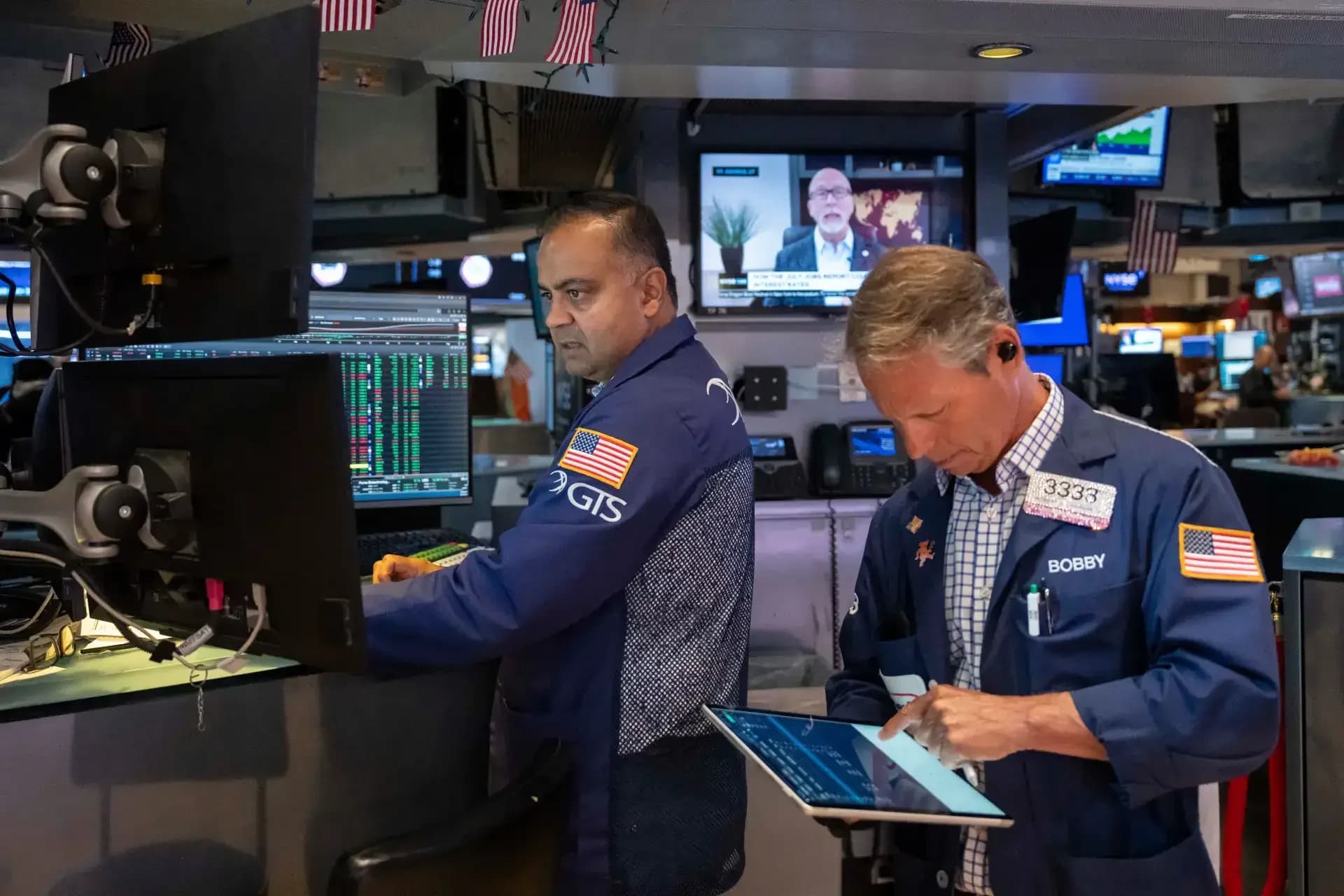
The market responded strongly to the inflation data, with US Treasuries surging as traders pulled back from bets on Federal Reserve interest-rate hikes. As reported by Forex.com, the yield on two-year Treasuries - which are sensitive to the near-term outlook for Fed monetary policy - fell as much as 14 basis points to 4.14% and was headed for its biggest one-day decline since February. The monthly drop in headline inflation was the biggest since April 2020, with the 12-month rate falling to 3.5% from the previous 4.2% reading in May. Economists surveyed by Dow Jones had been looking for a drop of 0.2% and an inflation rate of 3.8%, making the actual -0.4% reading a significant surprise. The energy index was the largest contributor to the monthly decline, falling 5.7% in June after rising 3.9% in May, with the index for food also increasing 0.2% over the month as reported by the Bureau of Labor Statistics. However, economists remain cautious about the sustainability of this relief, with Navy Federal Credit Union's Heather Long noting that the concern is that this relief will be short-lived as the war in Iran re-starts.