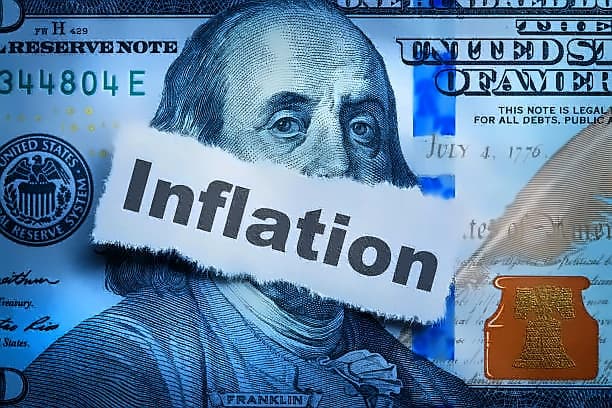
Core CPI for May dropped to 0.2%, providing relief to markets as it came in below the forecasted 0.3% decline from April's +0.4% reading. According to reports from TradingKey, this improvement in core inflation metrics offers some comfort to investors who have been closely monitoring inflation trends. While the headline CPI came in at +0.5% as forecast, one tick lower than April's reading, these numbers remain well above the Federal Reserve's 2% target rate. The core CPI rose 2.9% year-over-year, edging up slightly from the previous 2.8%, showing moderation in non-energy/food sectors despite the overall inflationary pressures.
The US Dollar Index is holding recent gains as markets await the May CPI report, with expectations that firm core inflation will keep Federal Reserve hike pricing alive into December. As noted by ING's Chris Turner, rising US real rates have unwound last year's Dollar debasement trade, pressuring Gold, Bitcoin and the Swiss Franc. ING projects DXY drifting toward the 100.40/50 area, with the dollar remaining bid on dips due to continued upside risks to energy prices. However, a 0.2% instead of a 0.3% core CPI reading could see short-dated rates edge lower and the dollar soften, while a hot PPI print tomorrow and next week's FOMC meeting should keep the dollar bid on dips.
The headline CPI rose 4.2% year-over-year in May, up from April's 3.8%, indicating that inflationary pressures continue to build. According to TradingKey, the energy index rose 3.9% month-on-month in May, marking a significant upward trend for the second consecutive month and contributing over 60% of the overall monthly CPI increase. Gasoline prices rose 7.0% month-on-month and surged 40.5% year-over-year, becoming a core variable driving up the cost of living. Food prices rose 0.2% month-on-month, with food at home up 0.1% and food away from home up 0.3%, while shelter index rose 0.3% month-on-month with owners' equivalent rent up 0.3%.
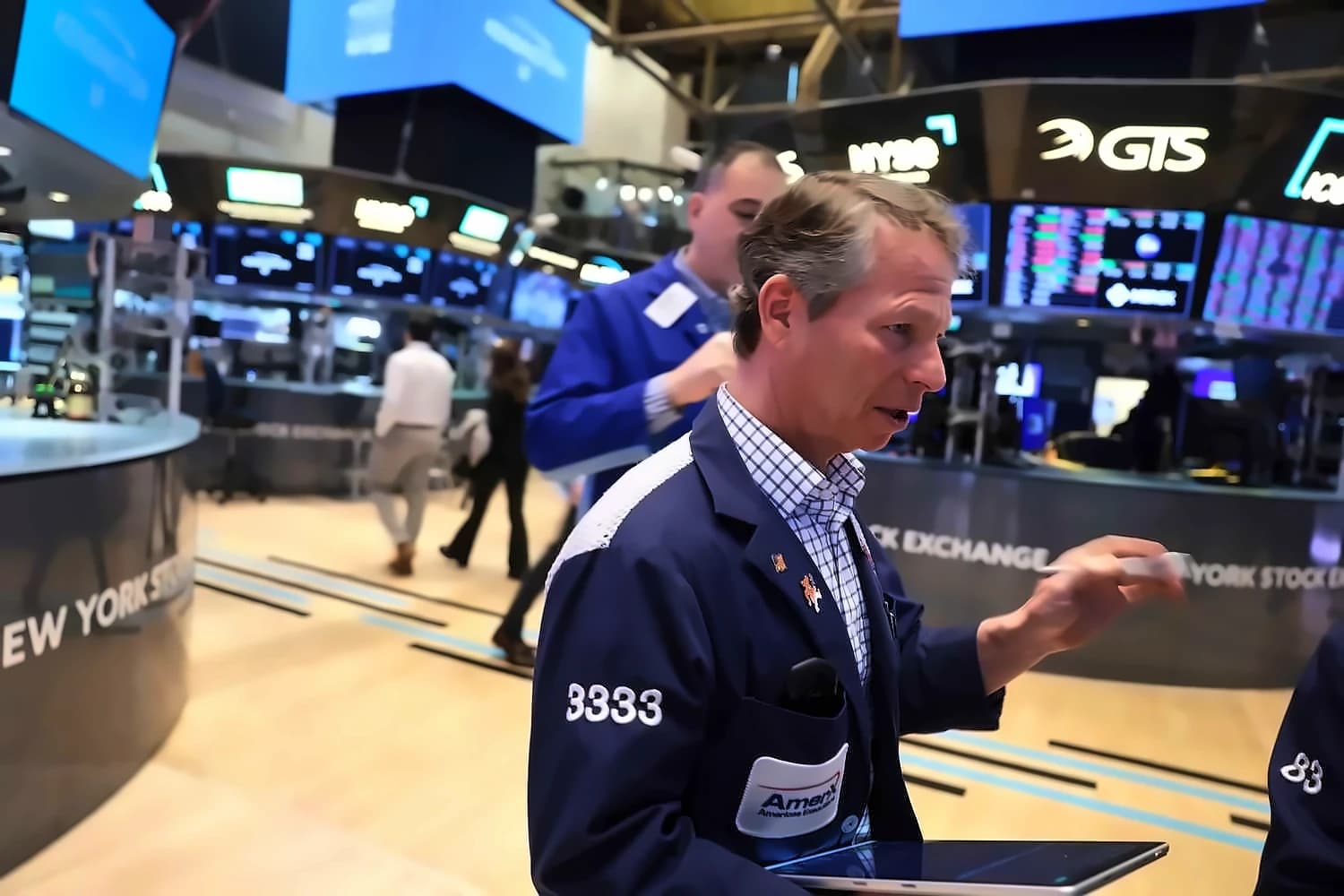
Following the inflation data release, the US Dollar Index dropped sharply below 100, while gold (XAUUSD) staged a rapid short-term rebound of nearly $30. According to TradingKey, futures for the three major U.S. stock indices narrowed their losses, with Dow futures down 0.4%, S&P 500 futures down 0.38%, and Nasdaq futures down 0.63, after the three major index futures had earlier dropped by more than 1%. The data is insufficient to support a short-term shift toward easing, but it also does not significantly reinforce the necessity for an immediate rate hike. According to the CME FedWatch Tool, the probabilities of rate cuts and hikes by year-end remained largely unchanged. ING notes that key support levels in gold and bitcoin, such as $4100/oz and $60,000, will be crucial for signs of more money leaving that trade.
While the Iran situation and SpaceX IPO represent significant market concerns, tech stabilization remains the most important element for overall market performance. According to Investing.com India, Oracle (ORCL) reports after the close today to provide the latest insight into the AI data centre buildout and its revenue opportunities. The trend has turned negative, but the S&P is still only 3.7% from its high, and earnings estimates remain strong and not coming down, suggesting the market may be in the range of a normal and overdue correction.