Consumer confidence has plummeted to 44.8 in May, marking the lowest level since the University of Michigan survey began in 1952. According to the latest data, this represents a sharp decline from previous readings and reflects growing pessimism among consumers about economic conditions. The Conference Board Consumer Confidence Survey released on Tuesday shows consumer confidence declined to 93.1 in May from an upwardly revised 93.8 in the prior month, with the latest figures representing a further deterioration from earlier optimism. This decline comes as consumers face mounting concerns about inflation, labor market conditions, and economic uncertainty.
The consumer price index (CPI) increased 0.6% in April from the previous month after climbing 0.9% in March, according to data released by the Bureau of Labor Statistics. Compared with a year earlier, CPI advanced 3.8% in April, marking its highest level since May 2023. Wall Street banks have raised expectations for another strong U.S. inflation reading ahead of Thursday's Personal Consumption Expenditures report, with JPMorgan, Goldman Sachs, Bank of America, Morgan Stanley, and UBS expecting headline PCE inflation to rise 3.8% year-over-year in April. Core PCE inflation is projected between 0.27% and 0.30% month-over-month, with separate forecasts placing core PCE inflation at 3.3% year-over-year, up from 3.2% in March. Gasoline prices have surged nearly 40% since the beginning of the war with Iran and have played a major role in pushing inflation higher. The ongoing Iran war has created significant uncertainty, with no clear signs of the conflict ending soon despite previous ceasefire announcements.
According to the Conference Board Consumer Confidence Survey, consumer confidence has been slipping and currently sits just above pandemic troughs. The survey reveals that 66.5% of respondents are cutting back on spending overall due to rising prices, while 60% are buying fewer items and 50% are delaying purchases of expensive items. Additionally, 46% are buying the same things in cheaper versions, and the same percentage are buying more necessary items than desired purchases. Consumers are cutting down on spending to accommodate their daily needs, reflecting the impact of higher prices on household budgets. The war and higher prices are certainly undermining confidence which will likely negatively impact personal consumption.
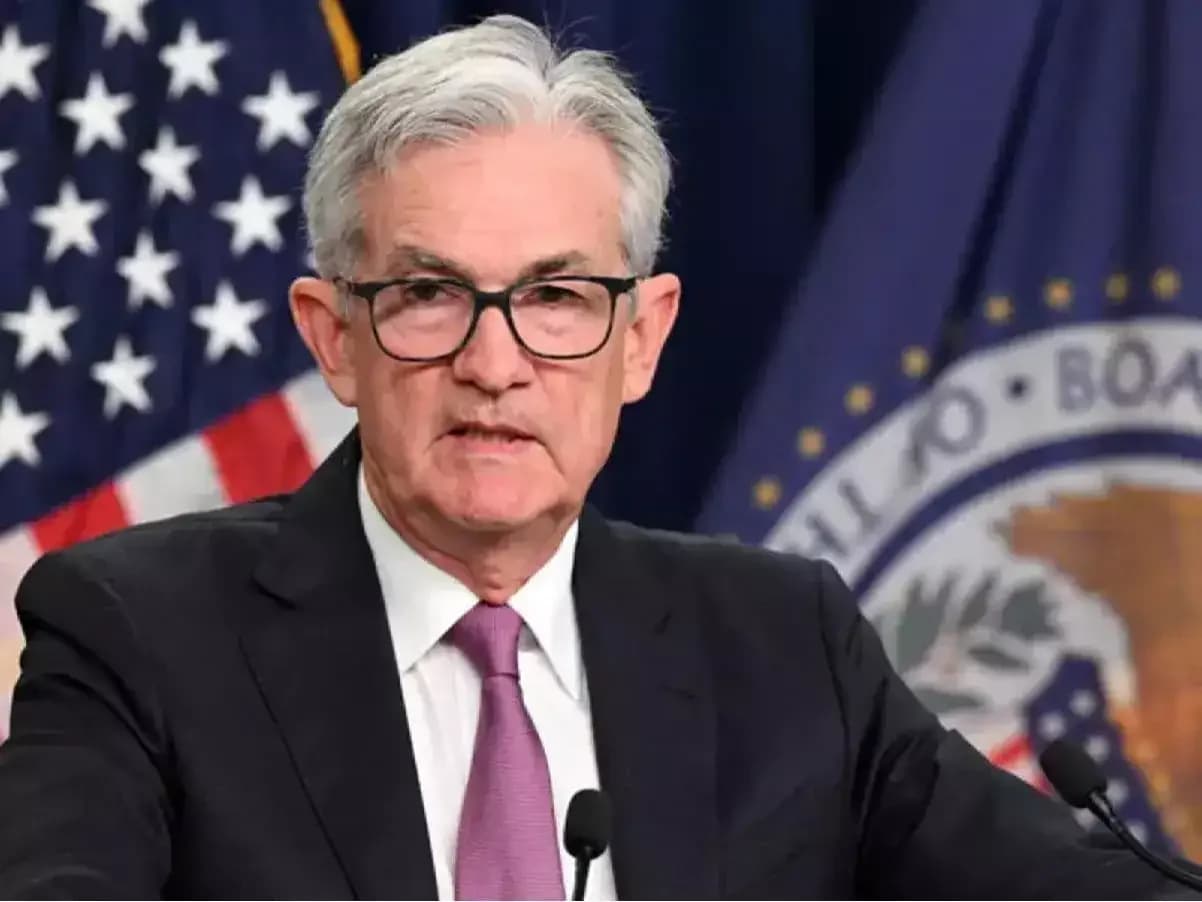
The Federal Reserve left interest rates unchanged in its current range of 3.5-3.75% but market participants believe the central bank will hold rates unchanged until 2027. However, the minutes of the Fed's latest FOMC meeting show that several policymakers believe the central bank should go for a rate hike if inflation continues to remain above 2%. The new Fed Chair, Kevin Warsh, had long been expected to pave the way for rate cuts, but mounting inflation expectations have made that less likely. Data from the CME FedWatch Tool currently shows more than 40% odds of a 25 basis point rate increase by December. The next FOMC meeting is scheduled for June 16–17. Investors are increasingly expecting the US dollar to break higher amid Federal Reserve efforts to combat rising inflation, with the dollar index up nearly 1.5% since late February. A key driver of this move is an increase in inflation expectations fueled by higher oil prices, with rising inflation eroding the appeal of fixed-income instruments and prompting investors to demand higher yields.
The Iran war remains the biggest wild card for markets, with investors saying a lasting resolution would pose the greatest challenge to the dollar, simultaneously dampening inflation expectations and reducing safe-haven demand. For now, investors are reluctant to bet against the greenback. According to UBS' Jalinoos, "the path of least resistance is, in our view, towards a stronger dollar against low-yielding currencies like the yen and the euro." The bond market is failing to consider that inflation is likely transitory and primarily driven by the Iranian conflict, while not accounting for the negative economic impact that should have a disinflationary effect. Ahead of the inflation release, crypto markets have struggled to regain momentum after a sharp selloff earlier this week, with Bitcoin briefly dropping to $72,659 before recovering above $73,000. Hotter-than-expected inflation could strengthen the U.S. dollar further and keep Treasury yields elevated, conditions that have historically pressured speculative assets including cryptocurrencies. The U.S. Bureau of Economic Analysis is scheduled to publish the April PCE inflation report alongside the second estimate of first-quarter 2026 GDP and corporate profits, with investors also tracking April new home sales data that could influence expectations around consumer demand and borrowing conditions.