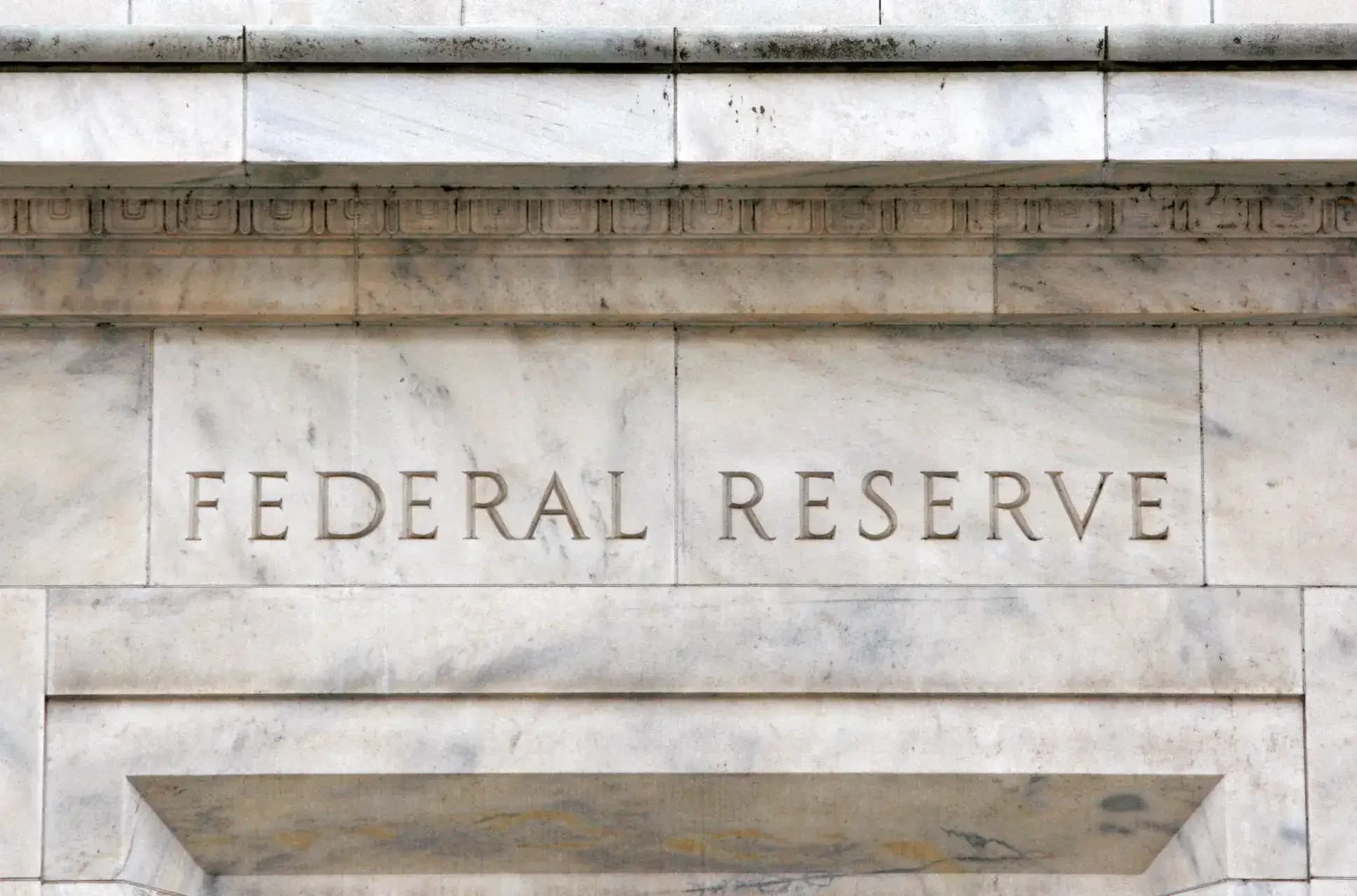
The Federal Reserve held interest rates steady on Wednesday, maintaining the benchmark rate in the 3.50%-3.75% range as expected by markets. However, the decision drew dissents from three of the 12 Federal Open Market Committee members who "preferred" a quarter-percentage-point hike at this meeting. According to Reuters, the Fed's decision to leave rates unchanged may intensify questions about how new Fed Chairman Kevin Warsh will deliver on his commitment to bring inflation back down to the 2% target. The yield on benchmark U.S. 10-year notes was up 3.9 basis points to 4.643%, while the dollar index fell 0.49% to 100.92 following the announcement. As per Investing.com, the FOMC statement scheduled for 2:00 pm EST is expected to lack significant detail, as Warsh advocates for reduced transparency and market-rate following.
Consumer confidence in the United States declined to 90.8 in July, down from 92.2 in June, according to the Conference Board announcement on Tuesday. The decline was primarily driven by a drop in the Present Situations component, which fell to 114.9 in July from 118.5 in June. This marked the third consecutive monthly decline in the Present Situations component, as reported by Investing.com India. Notably, lower gasoline prices have failed to improve consumer sentiment, with the average price for a gallon of gas in the U.S. rising to $4.10 as of Tuesday, according to AAA. The escalation of fighting in the Middle East, including Iran's shutdown of the Strait of Hormuz, has caused gas prices to resume their climb after briefly dropping to around $3.70 a gallon in June from more than $4.50 a gallon in late April and early May. The Conference Board reports that write-in responses remained pessimistic, with references to gas prices down slightly but remaining elevated, while respondents' mention of food and grocery prices increased significantly.
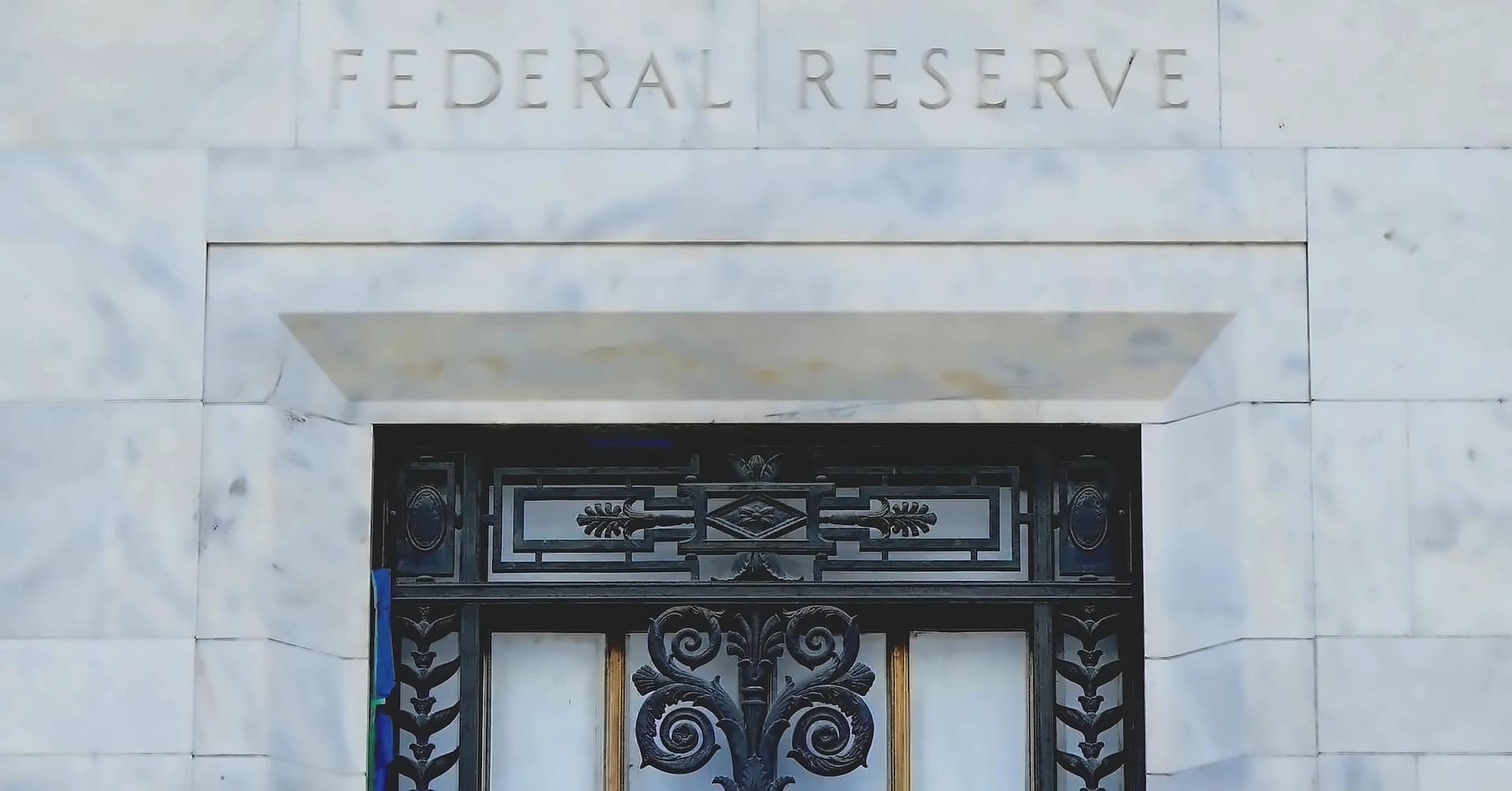
Inflation has climbed to 3.5% since the Iran war began, with Americans' inflation-adjusted incomes declining as a result. Government data shows that buying food to bring home has gotten 33% more expensive since the beginning of 2019. The price of a pound of ground beef reached $6.82 in June — 79% more than at the beginning of 2019, according to Bureau of Labor Statistics data. To navigate these higher prices, Americans have turned to couponing, comparison shopping and cutting back on favorite foods as they absorb the biggest jump in grocery prices in a half-century. The Conference Board notes that consumers remain soured on the economy after five years of elevated inflation, potentially posing a risk to President Donald Trump and Republicans in the midterm elections, which are now less than 100 days away.
The labor market presented mixed signals this month, with U.S. employers adding only 57,000 jobs last month, less than half the previous month's total. However, the unemployment rate declined to a low 4.2% from 4.3% in May, though the drop mostly occurred because many people out of work gave up looking and were no longer counted as unemployed. References to jobs and unemployment picked up slightly this month, while views of the current job market fell. The Conference Board reports that expectations of how the labor market will be six months going forward improved slightly, but remained in negative territory. The number of consumers who mentioned war and geopolitics decreased this month, but the Board suspects that recent escalation in fighting between Iran and the U.S. could cause those mentions to rise in the next survey.
Market experts are interpreting the Fed's decision as a relief rally for investors who had feared the central bank would raise rates and potentially choke economic growth. As 50 Park Investments CEO Adam Sarhan noted, "The market's breathing a collective sigh of relief that the Fed did not raise rates. There was a fear built in that the Fed would raise rates and choke the economy. That did not happen. So this is considered an easy money decision." The decision has also provided some relief to the dollar, which had been under pressure from geopolitical uncertainties and supply-side inflation concerns. However, analysts emphasize that the Fed's lack of unanimity reflects a new paradigm of independence among committee members, with Warsh's press conference at 2:30 pm EST expected to provide limited detail as he continues remaking the Fed through five task forces.