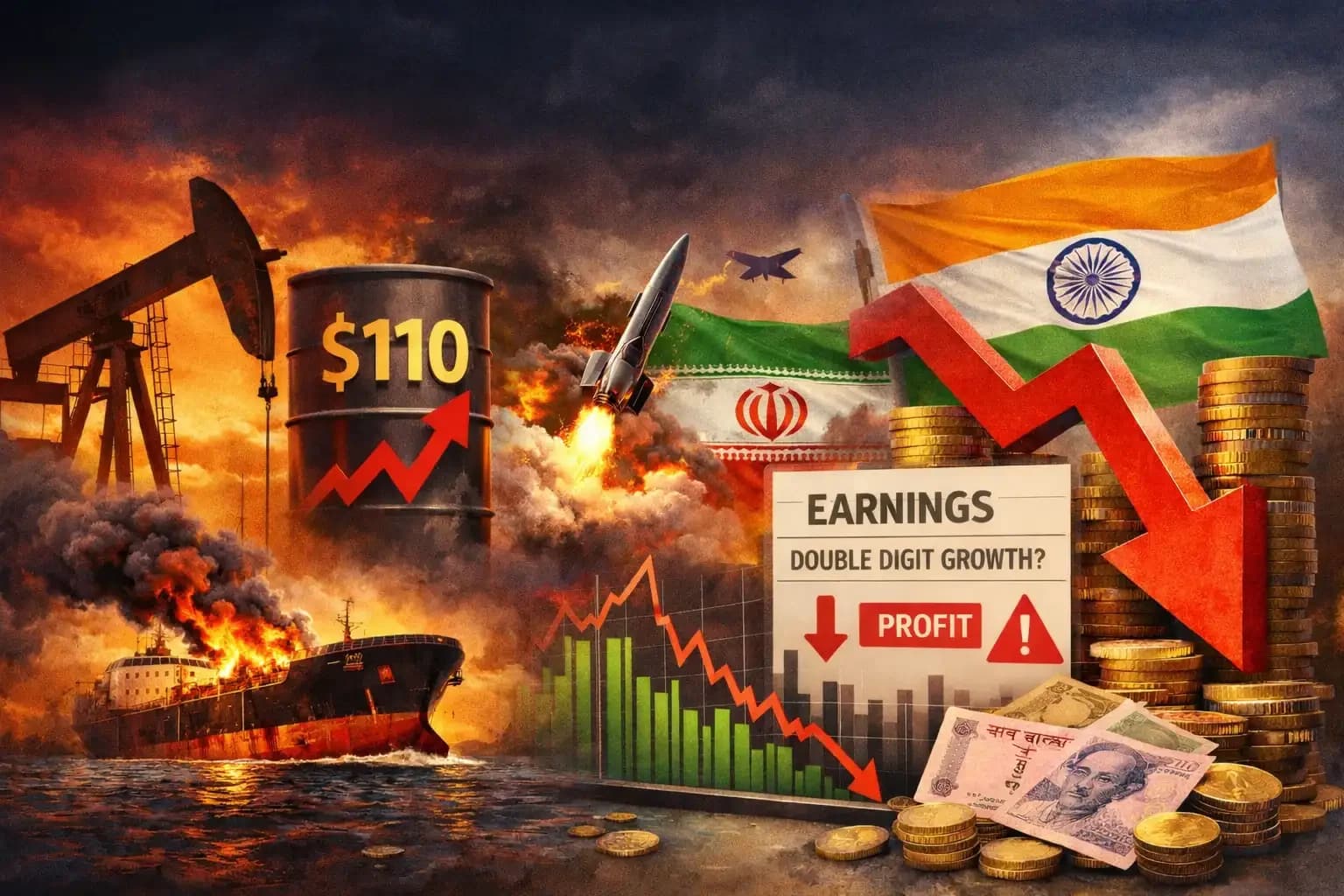
According to Citi India Markets Head Aditya Bagree, higher oil prices could have a larger-than-expected impact on India's economy, inflation and currency. As reported by ET Now, Bagree noted that India relies heavily on imported crude oil, making elevated prices a significant concern for the country's balance of payments and rupee stability. Higher energy costs are already influencing inflation expectations worldwide, leading to an increase in bond yields across several markets, including India. The rising oil prices naturally increase India's import bill and can widen the current account deficit. Latest market developments show Brent crude dropped by 3% to $95 per barrel, providing some relief from previous elevated price levels.
Artificial intelligence is another major theme shaping investment decisions globally, with different economies benefiting from AI developments. According to Bagree, South Korea and Taiwan are benefiting from strong semiconductor manufacturing capabilities, while the United States is witnessing significant investments in AI-related infrastructure, including data centres and power projects. For India, investors are debating how AI could affect the country's services sector and technology exports, with Bagree highlighting that overseas investors remain encouraged by India's ongoing reforms, including policy changes related to foreign investment, insurance, and external commercial borrowings.

Despite concerns around oil prices, inflation and currency volatility, Bagree believes India's long-term investment appeal remains strong. As reported by ET Now, he dismissed suggestions that investors are avoiding India because of AI-related trends elsewhere, arguing that capital naturally flows toward markets offering the strongest growth opportunities. India continues to attract investor attention due to its economic growth prospects, ongoing reforms and expanding role in global markets. Bagree emphasized that India continues to be among the fastest-growing major economies globally, with inflation having largely remained under control and the current account deficit expected to stay manageable even if it rises to around 2% of GDP due to higher oil prices.
The rupee's near-term direction is highly dependent on geopolitical developments, with Bagree describing it as highly dependent on geopolitical developments. A quick resolution to global conflicts or supportive policy measures could strengthen the currency, while prolonged tensions could result in further weakness. He stressed that India's underlying macroeconomic indicators remain healthy, supported by strong growth, controlled inflation and a manageable current account deficit. Regarding monetary policy, Bagree argued that monetary tightening should be considered only if higher oil prices or weather-related disruptions trigger sustained inflationary pressures, with Citi's economists currently expecting two rate hikes over the next year rather than an aggressive tightening cycle.
Bagree highlighted that potential inclusion in major global bond indices could attract USD 20-25 billion in stable foreign inflows, which would support the balance of payments, improve liquidity, strengthen demand for government bonds and potentially lower borrowing costs. He also suggested that removing withholding tax on government bonds would make Indian debt instruments more attractive to global investors by improving post-tax returns. The economist backed the Reserve Bank of India's approach of limiting excessive currency volatility rather than targeting a specific exchange rate, emphasizing that India's macroeconomic fundamentals remain resilient despite emerging challenges from oil prices and AI trends.