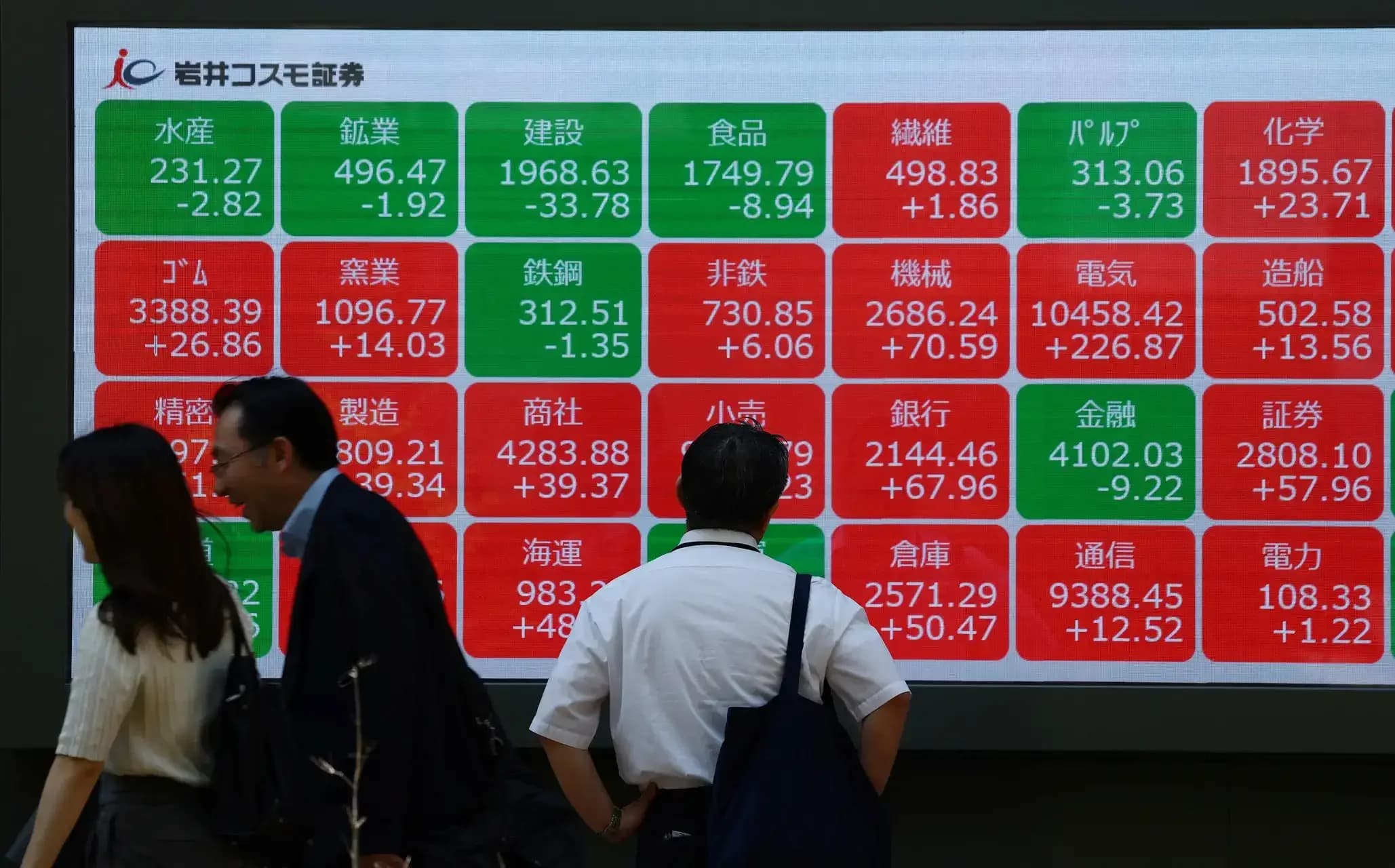
Chinese markets demonstrated a strong recovery on June 25, 2026, with the Shanghai Composite gaining 1.37% to close at 4,106 and the Shenzhen Component Index rising 3.17% to 15,854. According to Business Standard, this marks a significant turnaround from the previous session's decline when both indices had touched one-month highs before retreating. The recovery gained momentum following the People's Bank of China's announcement to launch overnight reverse repo operations on June 29, as part of the next stage of its monetary policy framework reforms. The new facility will work alongside the existing seven-day reverse repo rate of 1.4%, which remains the central bank's key policy benchmark.
Chinese technology shares witnessed broad-based gains during the latest session, with major advances across the sector. As reported by Business Standard, Chinese chipmakers and technology companies led the advance, with notable gains in Cambricon Technologies, Hygon Information Technology, SMIC, Eoptolink Technology, and NAURA Technology. The previous session's decline in technology stocks, which saw Zhongji Innolight fall 5.23%, Eoptolink Technology decline 4.82%, and Victory Giant Technology drop 7.44%, appears to have been reversed as investor sentiment improved. The technology sector's strong performance contributed significantly to the overall market recovery.
In contrast to the broader market decline, financial stocks outperformed the broader market during the session. According to Business Standard, shares of Industrial and Commercial Bank of China gained 2.5%, while Agricultural Bank of China rose 2.66%. This sectoral divergence highlights the mixed performance across different segments of the Chinese equity market, with financials showing resilience despite the overall market weakness. The sector's continued strength provides stability amid the broader market volatility.
On the economic front, data showed that China's cumulative fiscal deficit narrowed for the first time in more than two years. As reported by Business Standard, the combined deficit across the country's two main government budgets stood at 3.16 trillion yuan during January-May, despite continued weakness in domestic demand and slower economic growth. This fiscal development provides some positive economic context amid the market volatility and supports the current market recovery.