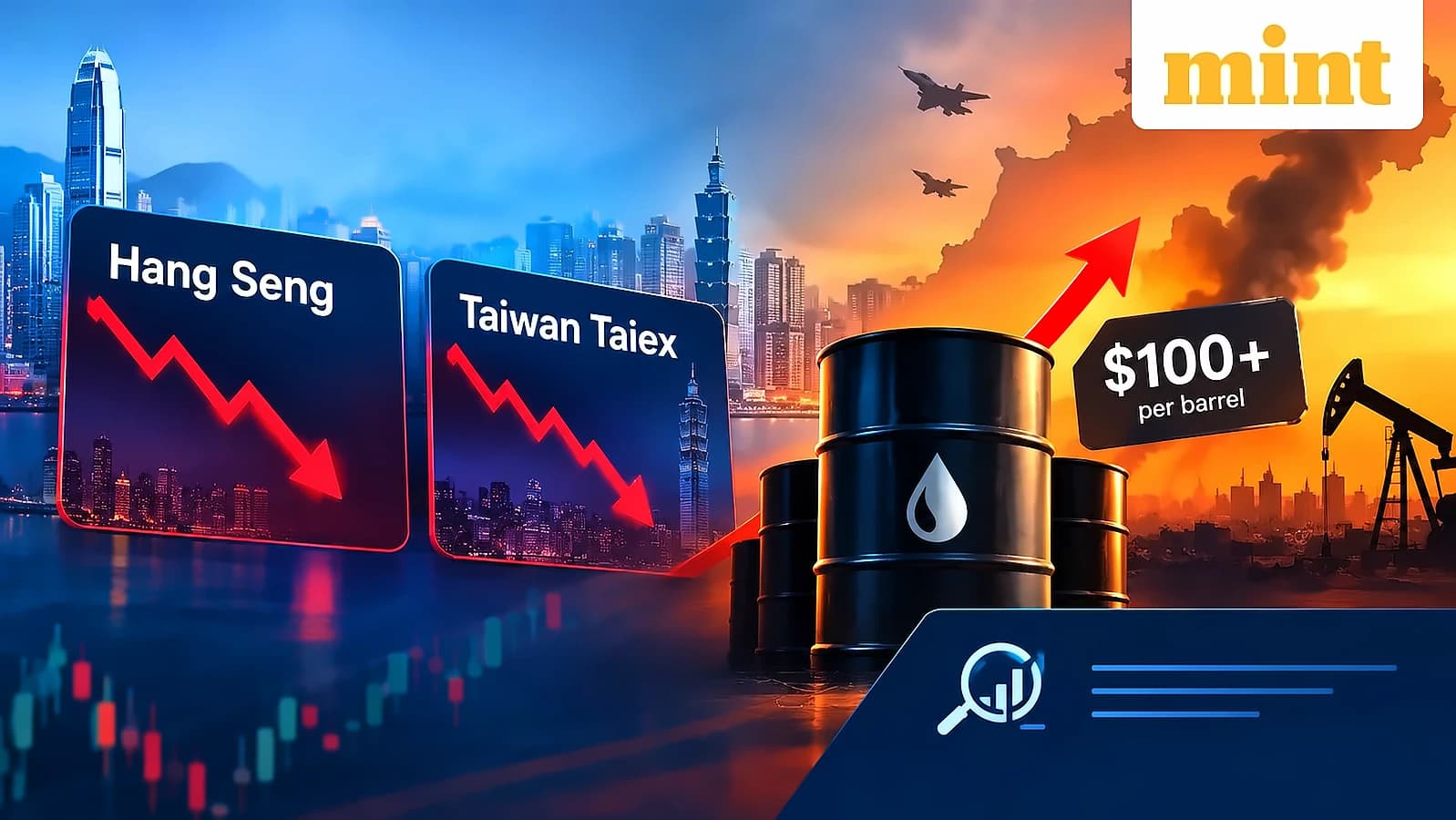
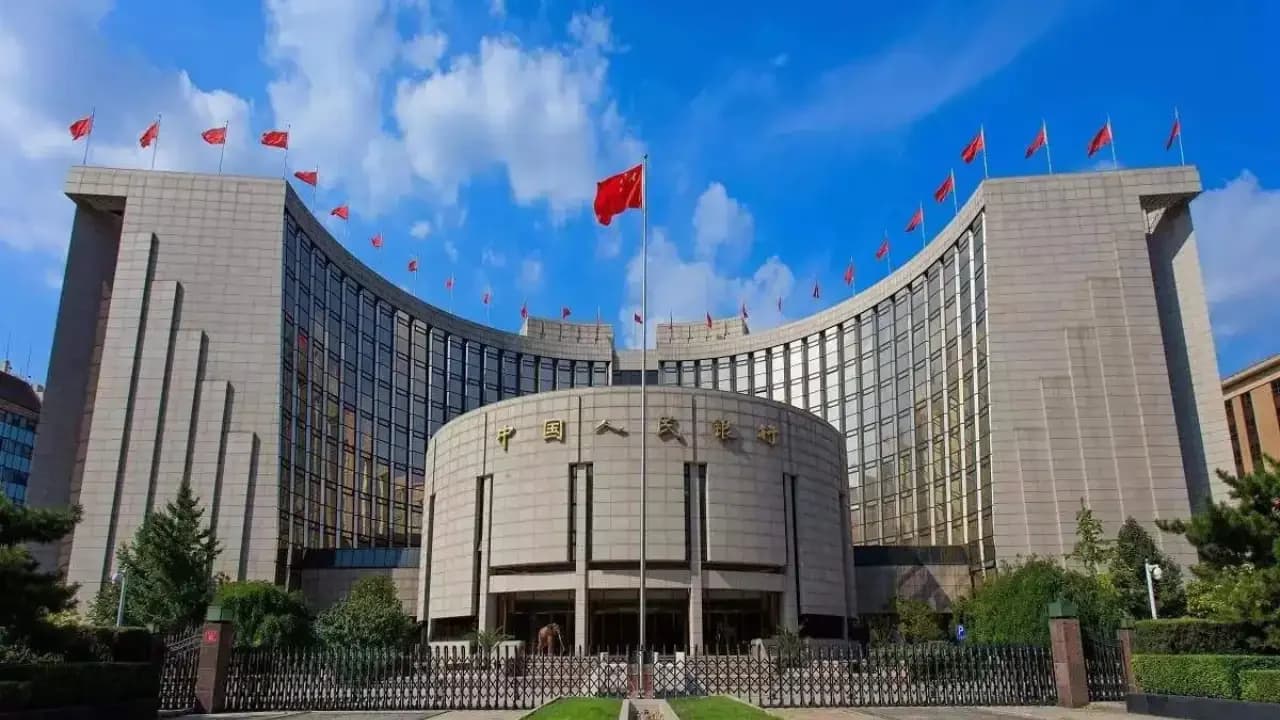
Chinese stocks experienced a significant recovery on Wednesday, with the CSI300 index rebounding 2.4% and the Shanghai Composite gaining 2% by midday. According to Business Standard, the rebound came after the People's Bank of China kept its key lending rates unchanged, with the one-year loan prime rate staying at 3% and the five-year rate remaining at 3.5%. This cautious monetary policy stance from policymakers has provided some relief to market sentiment, suggesting that authorities are taking a measured approach despite continued economic pressure.
TD Securities has highlighted mounting growth risks for China's economy, prompting increased attention on potential stimulus measures from Beijing. According to the investment bank's latest assessment, while the economy shows resilience in certain sectors, underlying weaknesses in the property sector and fragile consumer confidence could necessitate further policy support. The analysis underscores the delicate balance between supporting growth and managing debt levels, as investors and policymakers will need to stay alert to new data and policy signals from Beijing.
The technology sector experienced severe pressure, with semiconductor shares declining about 7% and the CSI Robot Index dropping more than 6%. As reported by Reuters, this weakness tracked global technology stock declines as long-term borrowing costs climbed. Baidu and China Unicom weighed heavily on sentiment, with China Unicom dropping nearly 8% after reporting a more than 30% decline in first-half net profit. The pressure intensified after GigaDevice reported disappointing results despite strong growth metrics, with revenue jumping 178.7% year-on-year to ₹11.57 billion and net profit surging 1,091.5% to ₹6.86 billion, though the results came in slightly below company expectations. Major semiconductor stocks fell sharply, with SMIC declining 5.16%, Cambricon Technologies dropping 9.64%, and Hygon Information Technology falling 7.26%. Hua Hong Semiconductor, Zhongji Innolight, Eoptolink Technology and NAURA Technology also fell between 8% and 12%.

Among major stocks, Zijin Mining Group rose 4.55%, BYD gained 2.05%, and Zhongji Innolight added 0.96% during the recovery session. However, some sectors faced continued pressure, with PetroChina falling 1.96%, Kweichow Moutai declining 1.25%, and CATL dropping 1.03%. According to Business Standard, this mixed performance reflects selective investor interest as markets focus on policy developments and sector-specific opportunities. The property sector continues to show resilience following China's announcement of revised regulations allowing more flexible use of housing provident fund balances.
Markets are now focusing on the August 25-28 meeting of the National Peoples Congress Standing Committee, where investors will closely watch for further policy support measures. As reported by Reuters, investors are increasingly focused on earnings quality and companies' ability to turn artificial intelligence investments into sustainable revenue, while concerns about China's broader economic outlook continue to weigh on sentiment. TD Securities suggests that more comprehensive fiscal support might be necessary, expecting potential measures such as increased infrastructure spending, tax relief for businesses, and further monetary easing to support domestic demand. The investment bank notes that the government may also introduce policies to boost household income and consumption. Rising government bond yields, persistent inflation, high fiscal spending and heavy debt issuance have increased concerns about borrowing costs, while geopolitical tensions and fears of energy supply disruptions added to worries that inflation could stay high.