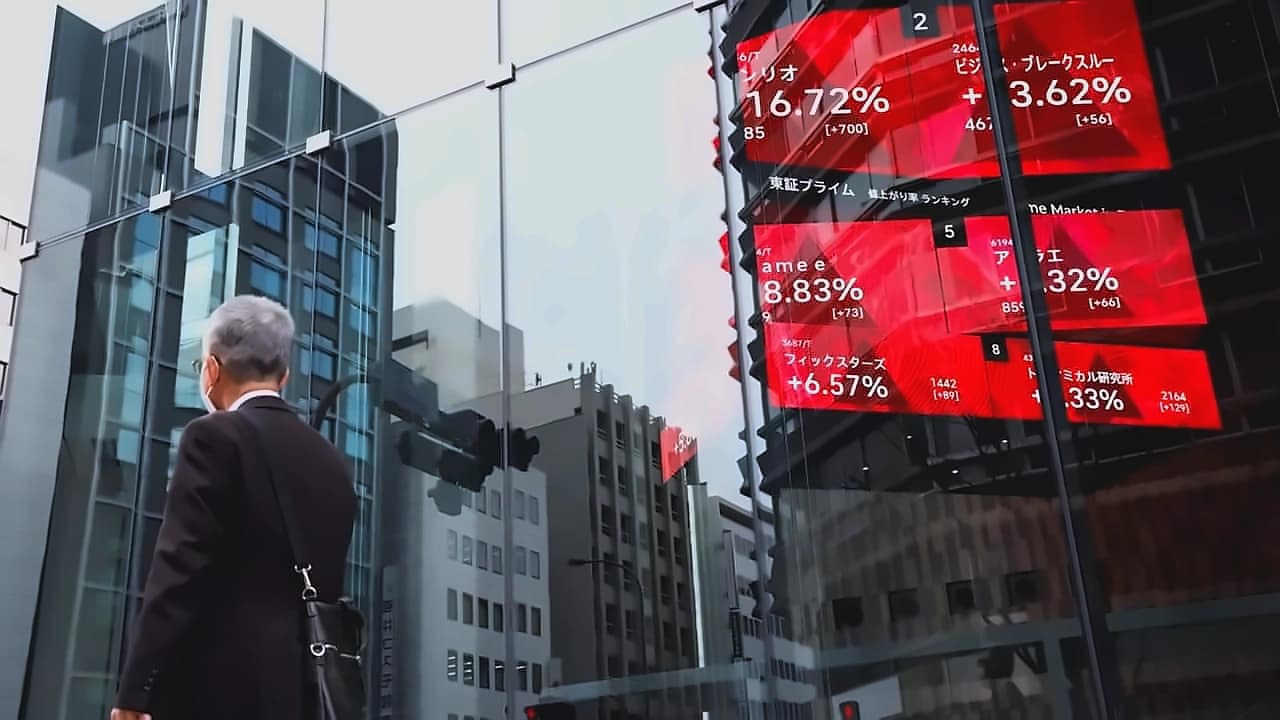
Asia-Pacific markets closed mostly higher on Tuesday as technology stocks rebounded, tracking gains on Wall Street, with investors returning to artificial intelligence-linked names after last week's sharp sell-off. According to TickMill market strategy partner Patrick Munnelly, global equities have staged a strong rebound as investors moved back into AI-linked stocks and oil unwound more of Monday's Middle East-driven spike. The MSCI Asia Pacific index rose 2.5%, recovering from its sharpest fall since March, while South Korea's Kospi surged as much as 8%. This rebound came after the technology-heavy Nasdaq fell more than 4.5% last week, with the Nasdaq 100 gaining 1.6% and the Philadelphia semiconductor index rising more than 5% in the latest Wall Street session. In early European trading, Germany's DAX picked up 0.3% to 24,694.50, while the CAC 40 in Paris gained 0.6% to 8,252.40. Britain's FTSE 100 shed 0.3% to 10,346.09, while the future for the S&P 500 added 0.3% and the Dow Jones Industrial Average was up less than 0.1%.
Chip-making equipment maker Tokyo Electron jumped 8.91% and memory chip manufacturer Kioxia gained 6.36%, becoming the biggest contributors to the Nikkei's gains. As reported by The Economic Times, these semiconductor-related companies recovered from heavy losses in the previous session. Technology investor SoftBank Group and fibre optic cable maker Fujikura reversed earlier losses to end 1.03% and 2.23% higher, respectively. In South Korea, heavyweight chip stocks were the primary drivers of the rebound, with Samsung Electronics closing up approximately 8.97% at 322,000 KRW and SK Hynix closing up 15.97% at 2,215,000 KRW. Seoul Semiconductor jumped more than 12%, while SK Hynix climbed 6.44% and Samsung Electronics gained 3.38%. Japanese semiconductor equipment makers also advanced, with Tokyo Electron rising almost 6%, Advantest adding over 1% and Renesas Electronics gaining 2.5%. Taiwan's Taiex advanced 2.8% on gains for tech companies like computer chip giant TSMC.
China's trade growth held up better than expected in May, supported by surging AI-related exports despite disruption from the Iran war. According to Wind Information, exports rose 19.4% from a year earlier in dollar terms, accelerating from 14.1% in April and beating Reuters-polled expectations for 15% growth. Shipments to the US jumped 35.4%, the strongest growth since March 2021, extending a recovery after last year's tariff-related weakness. Imports increased 27%, both above expectations, with stronger Chinese trade supporting global industrial sentiment and demand for European capital goods, luxury and autos. However, Goldman Sachs analysts warned that rapid Chinese export growth could displace domestic production and weigh on GDP across Europe, creating a second narrative for European investors. The latest data shows exports surged 19.4% year-on-year to a record USD 376.8 billion, while imports climbed 27.4% to USD 271.4 billion, pushing the trade surplus to USD 105.4 billion, the largest since January. The strong performance was driven mainly by demand for technology hardware, with semiconductors, computers, and related equipment contributing heavily to both exports and imports.
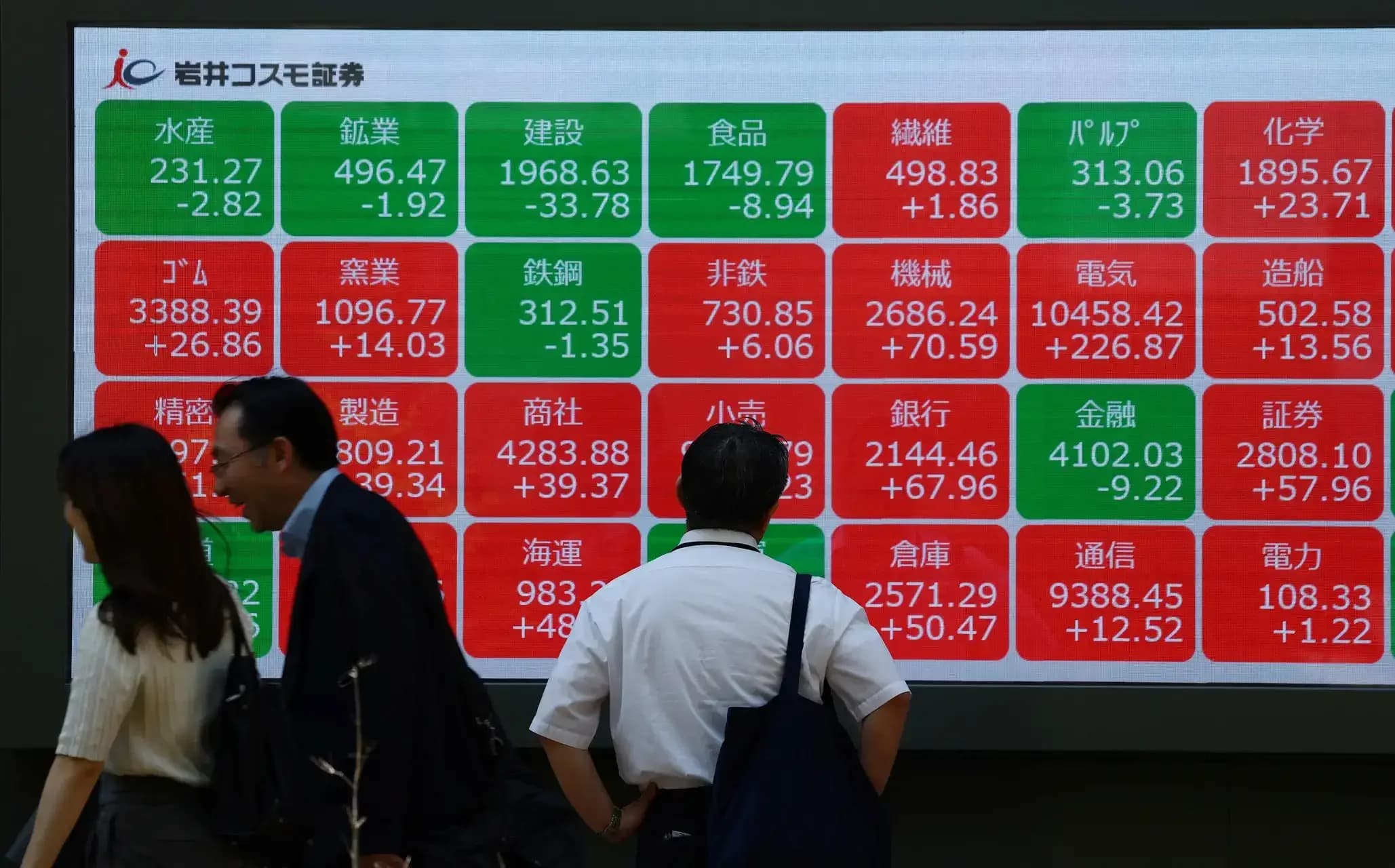
South Korean stocks jumped as risk appetite improved after President Donald Trump said the US was nearing an agreement with Iran to end the war. Korea's Kospi soared 8% as optimism over an Iran deal boosted chip stocks, led by Samsung and SK Hynix. According to The Hindu BusinessLine, Samsung Electronics Co. and SK Hynix Inc shares each surged more than 9% as investors returned to the stocks that are seen as critical to the AI rollout. Korea's Kospi jumped 660 points, or 8.5%, to 8,424 on Friday, helping the index finish the volatile week up 3.2%, reversing some of the damage from the previous week's 3.7% decline. The benchmark KOSPI remains the world's top-performing stock index this year, with a surge of 94% so far in 2026, largely powered by a rally in semiconductor stocks tied to the artificial intelligence boom. Technology heavyweights led Friday's advance, with Samsung Electronics climbing 12.21% and rival SK Hynix gaining 8.85%. Battery maker LG Energy Solution rose 6.11%, automakers joined the rally with Hyundai Motor advancing 6.03% and affiliate Kia Corp adding 4.81%, while steel producer POSCO Holdings gained 6.84% and Samsung BioLogics edged up 1.01%. The rebound came after Trump said on Thursday that the United States and Iran could sign a peace agreement as soon as this weekend, with discussions having been elevated to the highest levels of Iranian leadership and receiving approval from multiple regional allies.
The rebound was supported by signs of easing tensions in the Middle East, which caused energy prices to retreat from their highs and alleviated market concerns over persistently rising inflation. According to TickMill, Iran on Monday halted military strikes against Israel but warned it would resume attacks if Israeli forces continued operations in Lebanon, with Israeli prime minister Benjamin Netanyahu later saying the conflict was "not yet over." Early Tuesday, oil prices fell back from Monday's gains, with Brent crude futures falling $1.25 to $93.00 per barrel after having briefly topped $98 overnight. U.S. benchmark crude shed $1.54 to $89.76 per barrel, as the initial escalation premium continued to unwind. Oil prices fell, with Brent crude futures down 1.8% on ICE at $92.55 per barrel, as the overnight price action mirrored the previous day's recovery. Munnelly noted that reports that Trump was wavering on continued support for Israel if it kept up military action against Iran appeared to have contributed to hopes of de-escalation. In China, tech and semiconductor stocks led the rally, with SMIC gaining 4.41%, Zhongji Innolight up 2.17%, Eoptolink Technology surging 8.38%, and NAURA Technology rising 5.35%. In contrast, the energy sector lagged, with PetroChina falling 5.57% and CNOOC declining 4.18%. Market volatility has intensified in recent months as more than half of the Kospi's market capitalization is concentrated in Samsung and SK Hynix, with the growing popularity of leveraged exchange-traded funds linked to the two chipmakers amplifying daily price moves.