External Affairs Minister S Jaishankar emphasized that peace and tranquility in border areas is the "pre-requisite" for normal relations between India and China during his meeting with Chinese counterpart Wang Yi in Manila on Wednesday. As per Business Standard, Jaishankar stated that "Such a relationship can make a valuable contribution to a multi-polar Asia and a multi-polar world." The minister noted that "Since the meeting of our leaders in Kazan in October 2024, relations between India and China have been gradually normalising." Following a series of diplomatic and military talks, the two sides withdrew their troops from several friction points along the Line of Actual Control (LAC) in eastern Ladakh, with the last two friction points in Depsang and Demchok being resolved in October 2024. The normalization has extended beyond diplomatic meetings, with direct flights resuming in October 2025, visa norms beginning to ease, and the Kailash Mansarovar Yatra restarting.
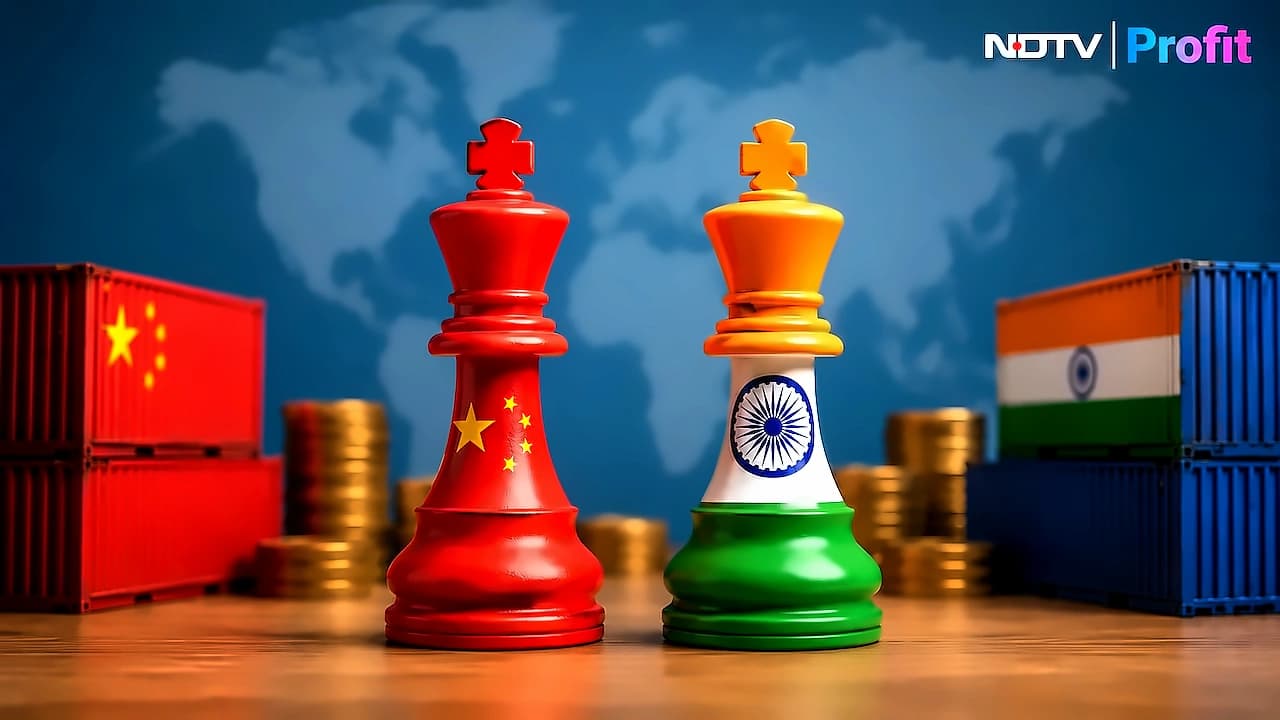
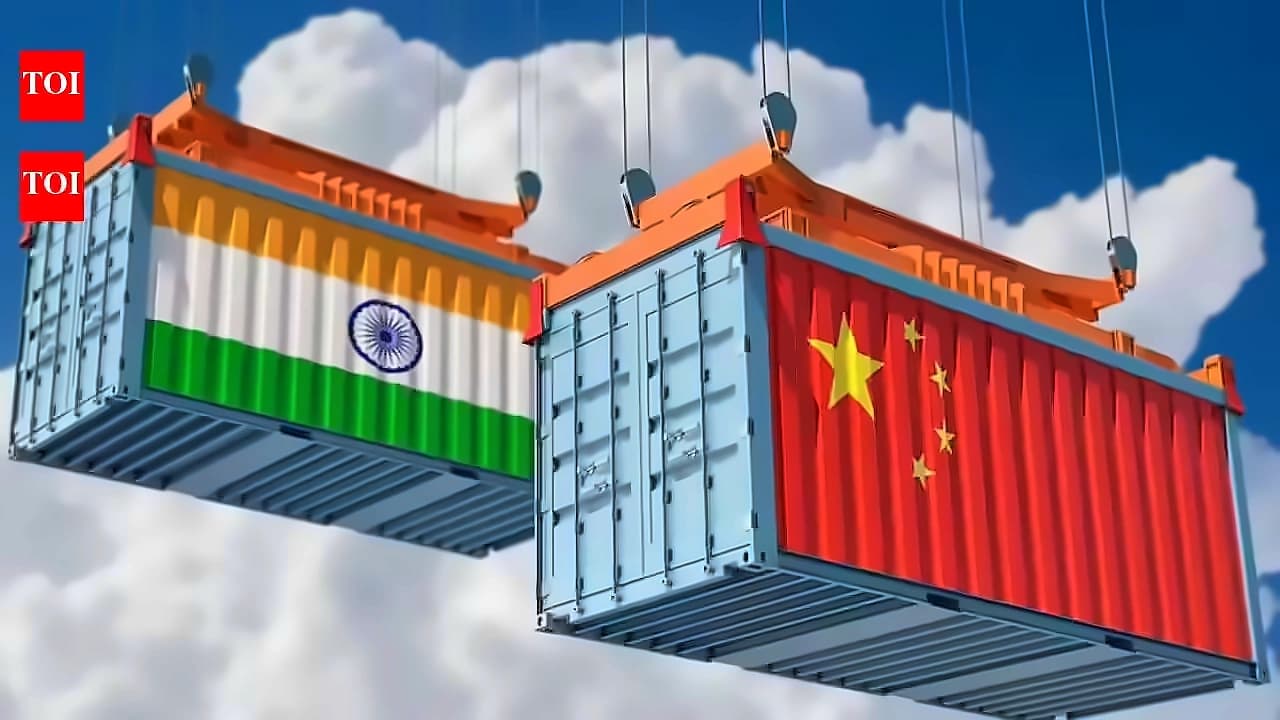
India's trade relationship with China has experienced significant growth, with imports from China rising from about USD 102 billion in 2022 to nearly USD 125 billion in 2025, lifting China's share of India's imports from 14 to almost 17 percent. However, India's exports to China, at just over USD 18 billion, cover barely a seventh of its imports, leaving a bilateral deficit of about USD 107 billion. The dependency is deepening at the product level, with the number of items for which India relies on China for more than half of its imports rising from about 1,460 in 2022 to nearly 1,560 in 2025, and their import value climbing from around USD 60 billion to over USD 78 billion. In 2025, India's leading export to China was electrical equipment, worth USD 2.6 billion, which is less than one-sixteenth of the import value.
During the Manila meeting, Jaishankar flagged New Delhi's concerns over issues relating to market access, trade imbalance and uncertainties over supply chains. As per Business Standard, he emphasized that "Fair market access and a trade balance ranks high in that regard. There are also concerns about predictability of supply chains." The minister stressed that "It is natural that as two large and important nations, and that too proximate neighbours, India and China would have their own particular interests." He noted that "Our leaders had agreed that differences should not become disputes. It is the responsibility of diplomacy to properly manage them." The two ministers are participating in high-level discussions under the Association of Southeast Asian Nations (Asean) framework, with Jaishankar also noting China's support to various initiatives rolled out under the BRICS grouping framework.
China has launched the World Artificial Intelligence Cooperation Organization (WAICO) at the 2026 World AI Conference in Shanghai, marking a shift from AI diplomacy to institutionalized governance. President Xi Jinping's opening address outlined four priorities: openness and cooperation, equitable access, keeping AI secure and under human control, and stronger UN-centred coordination. The organization establishes a standing intergovernmental body headquartered in Shanghai with a Council and Secretariat, covering capacity-building, governance rules, technical standards, interoperability, and coordination with UN processes. Representatives of 29 countries signed the founding agreement, with membership formally open to all states and decisions taken by consensus or two-thirds majority where possible. This initiative represents China's strategy of 'selective shaping' - concentrating on areas where it has technological capabilities and coalition-building advantages.
The revised framework introduces separate layers of scrutiny that require careful structuring of cross-border partnerships, with the most workable structures preserving Indian control, avoiding disguised investment rights, separating capital from technology, and addressing outbound approval requirements early. The Rare Earth Permanent Magnet Manufacturing Scheme approved in late 2025 focuses on building integrated domestic capacity, while Production-Linked Incentive schemes for bulk drugs and electronics continue to reduce reliance on external sources. For two economies representing over a third of humanity, a stable relationship matters far beyond bilateral trade, with collaboration in supply chain resilience, green technologies, pharmaceuticals, tourism, academic exchanges, and investment creating constituencies for stability. The emerging AI order will be defined by competing technological ecosystems, differentiated access, and selective alignment as states seek to preserve policy autonomy while balancing technology access against dependence and governance standards.