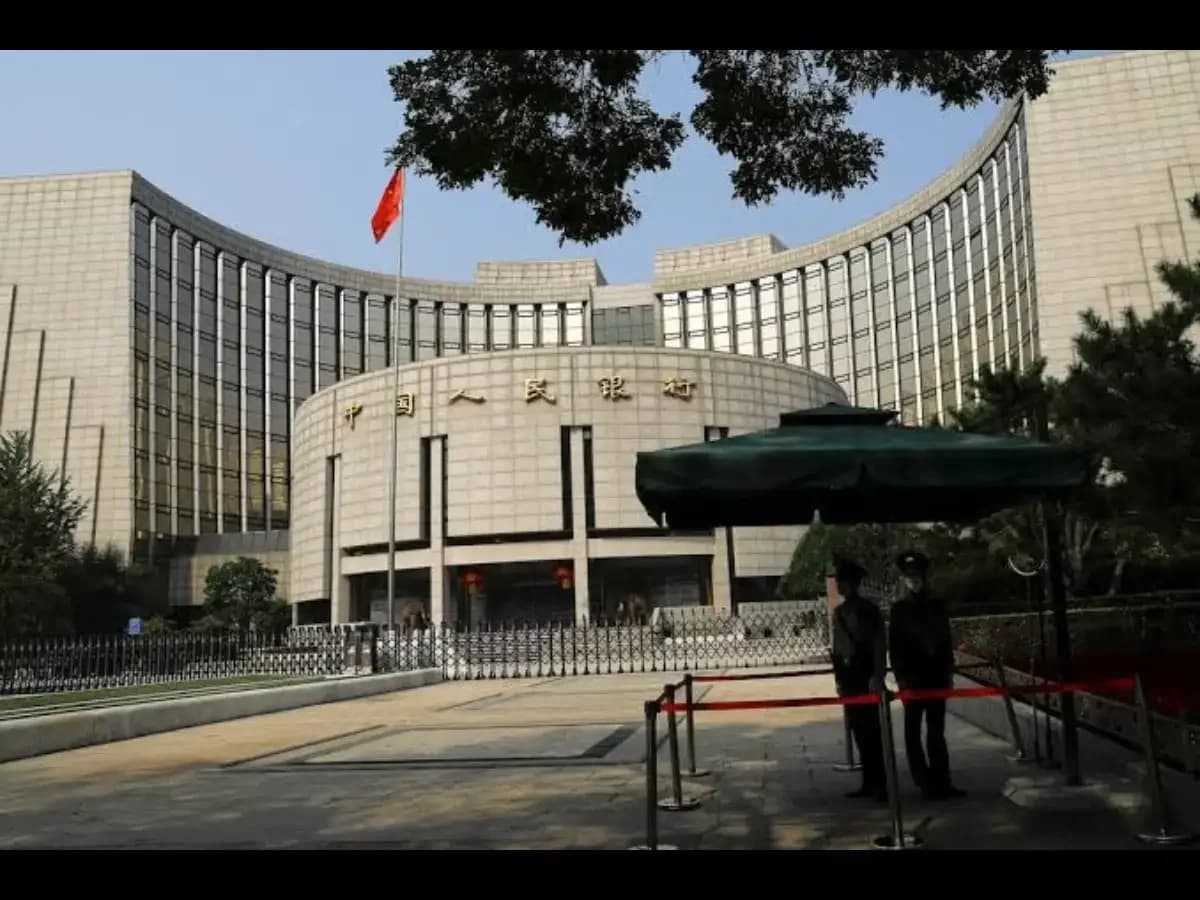
China's central bank has pledged to adjust its monetary policy tools in a timely manner while maintaining an appropriately loose policy stance to support the economy. According to a statement released after a weekend policy meeting, the People's Bank of China (PBOC) said it would continue to ensure ample liquidity in the financial system as part of its monetary policy approach for the second half of the year. The commitments were outlined in a readout of a work meeting held on Saturday to chart policy priorities for the remainder of 2026.
The renewed policy focus follows weaker-than-expected economic data, with China's economy expanding 4.3% year-on-year in the second quarter, marking its slowest pace of growth in more than three years and falling short of the lower end of the government's full-year growth target of 4.5% to 5.0%. As reported by Reuters, the Politburo called for faster implementation of already-budgeted infrastructure spending during the second half of the year, highlighting the need to bolster economic activity. The central bank also acknowledged that the economy continues to face significant challenges and called for quicker fiscal spending alongside more flexible and forward-looking monetary policy to support growth.
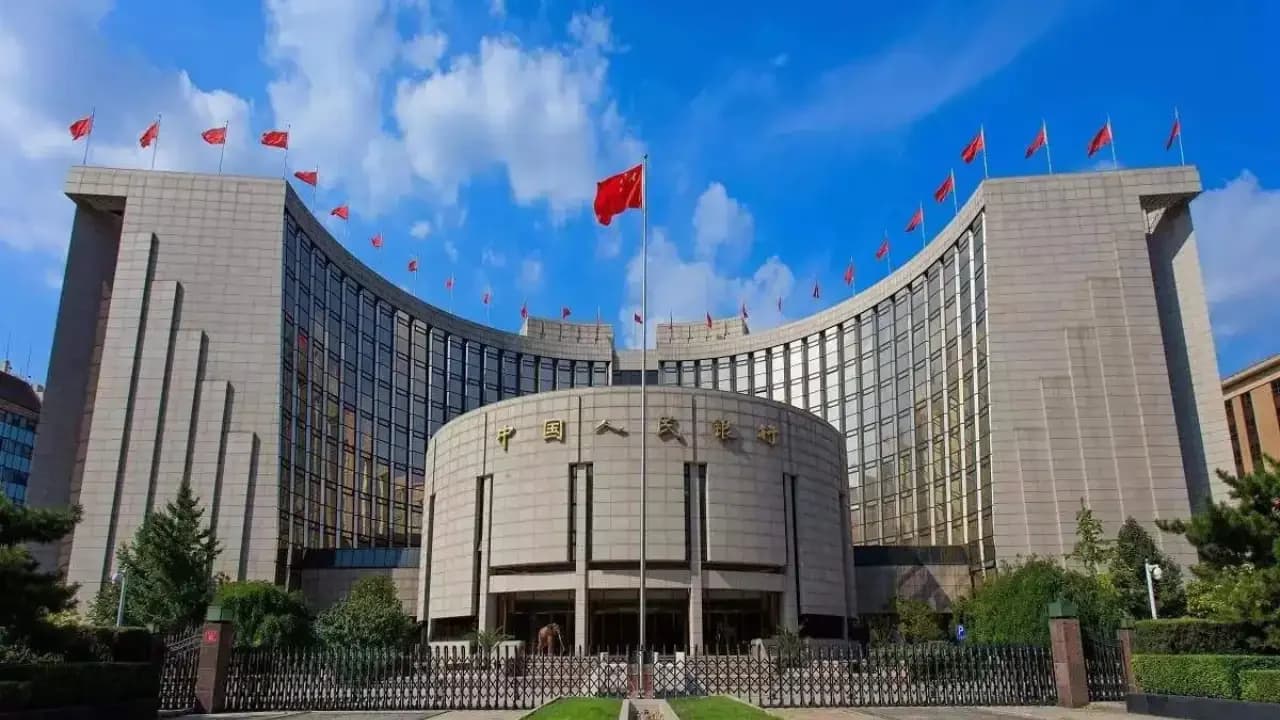
The PBOC reiterated its commitment to opening China's financial markets further by promoting deeper cooperation between domestic and international financial infrastructure. According to the statement, efforts would continue to expand liquidity management and risk-hedging tools to support market development. The central bank also pledged to facilitate the issuance of yuan-denominated 'panda bonds' by overseas institutions, supporting Shanghai's development as a cross-border financial hub and strengthening offshore financial services while reinforcing Hong Kong's role as a leading offshore yuan centre.
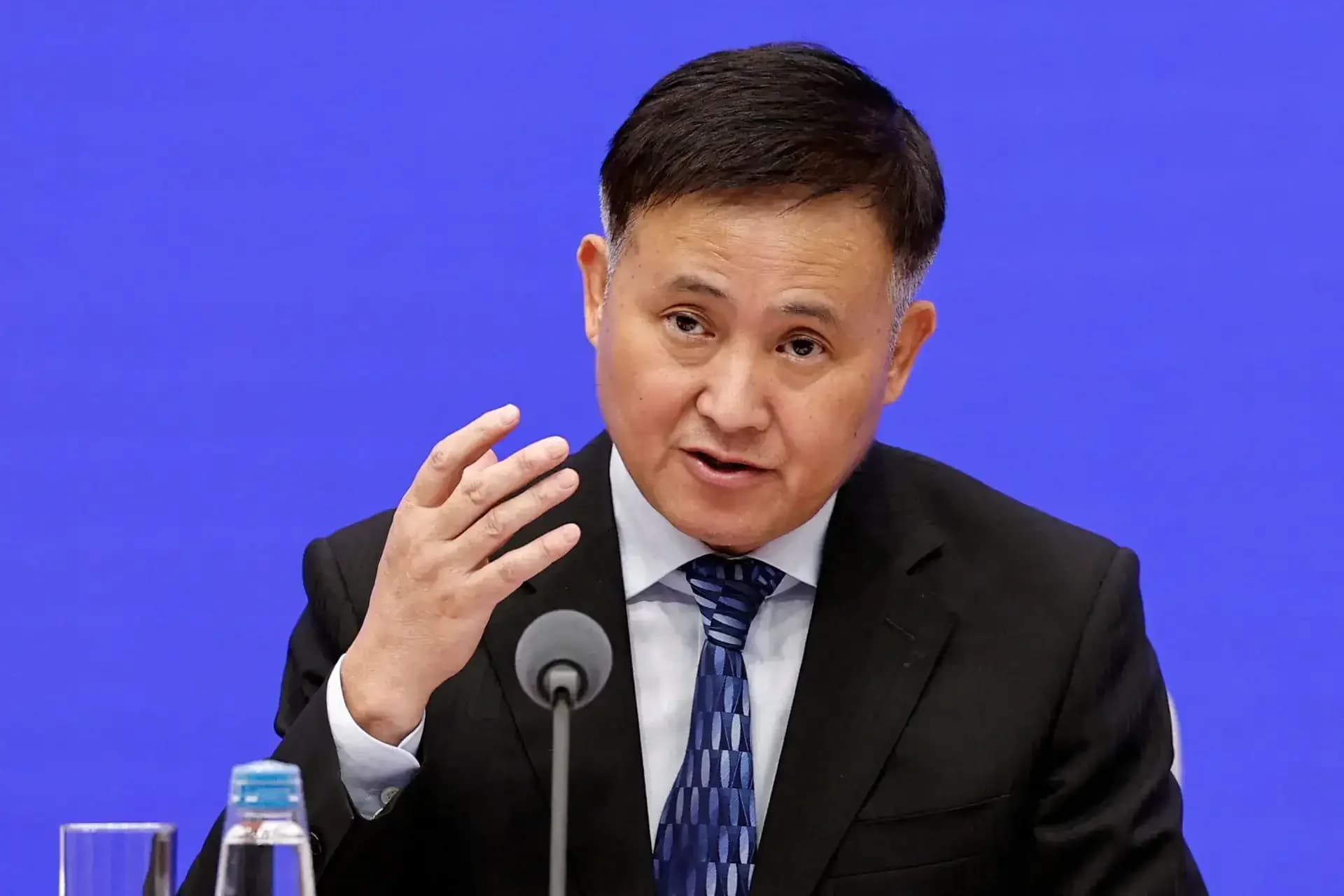
As part of its broader financial agenda, the PBOC said it would continue supporting the resolution of debt risks associated with local government financing vehicles while encouraging their transition toward more market-oriented operations. The meeting was chaired by PBOC Governor and came shortly after China's top leadership signalled the need for stronger policy support to revive economic momentum, with the Politburo signalling the need for more flexible monetary policy to support growth.