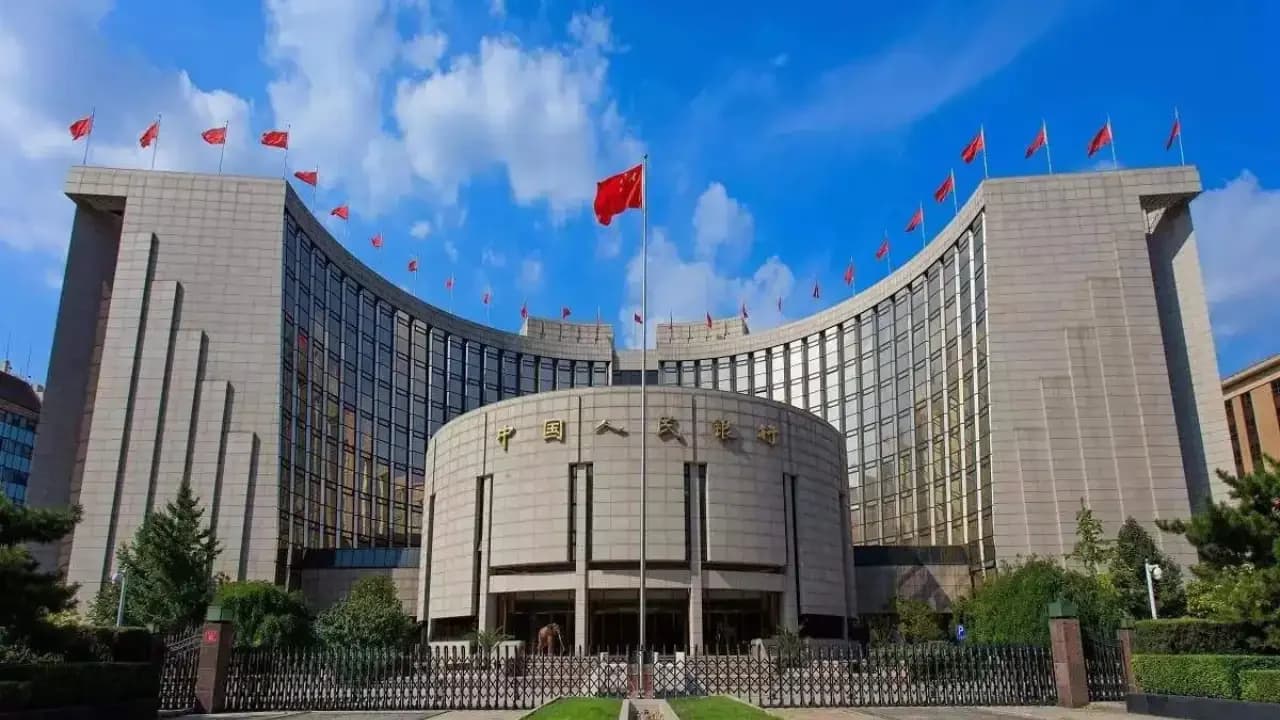
China's top leaders have pledged to adopt incremental measures to support economic growth in the second half of the year following the economy's unexpected slowdown to 4.3% growth in the second quarter, marking the slowest pace in more than three years and missing the lower end of the government's modest annual target range of 4.5% to 5%. According to a Xinhua news agency readout following a gathering of the Communist Party's decision-making Politburo on Thursday in Beijing, officials acknowledged "difficulties and challenges facing the economy" and pledged to "accelerate the pace of fiscal expenditure" while adopting "incremental policies" to boost economic growth. The high-level decision-making body also set October for the fifth Central Committee plenum, which will set the stage for next year's party congress, as reported by Xinhua. This represents a clear escalation from previous signals of fiscal acceleration, with authorities now moving closer to announcing concrete stimulus measures, though Beijing's appetite for stimulus remains limited as it tries to curb industrial overcapacity and pressure indebted local governments to keep spending within their means. As Investing.com analysis notes, Beijing is accelerating existing fiscal spending rather than launching a major new stimulus package, with the policy bias clearly easier but the response remaining defensive and countercyclical rather than structural.
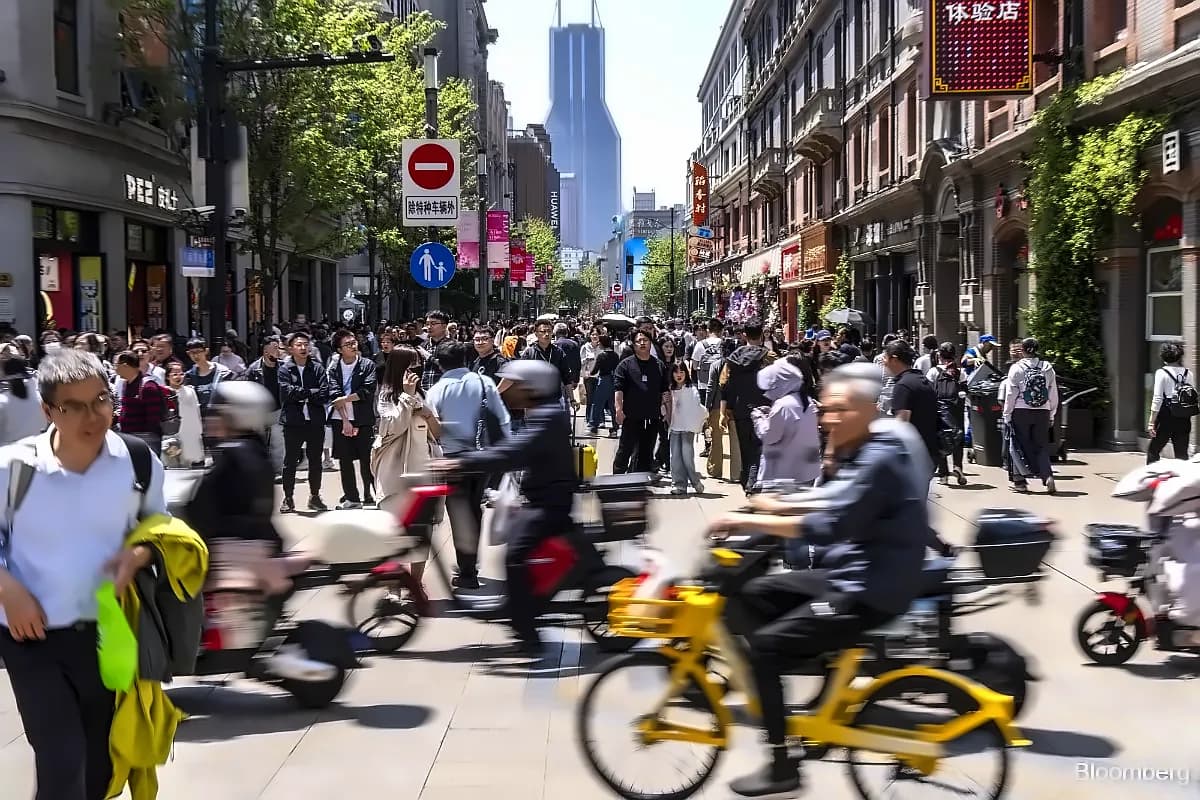
The latest data reveals China's economic challenges have expanded beyond the property sector into broader economic indicators. As reported by Investing.com India, second-quarter GDP growth of 4.3% came in below the government's modest annual target, highlighting the economy's underlying weakness. Weak retail sales and declining fixed-asset investment point to softer demand across multiple sectors of the economy. A months-long slump in public spending was a key factor contributing to the deceleration, while consumers also tightened their belts amid a gloomy jobs market. This broader slowdown suggests the property downturn, now entering its fifth year, has created spillover effects affecting consumer confidence and overall economic activity. The latest data suggests China's slowdown is no longer confined to the property sector, with the property downturn, now entering its fifth year, having weakened the principal store of wealth for many Chinese families.
The fundamental challenge facing China is not insufficient supply but weak household confidence, particularly after five years of property stress. According to Investing.com India analysis, the property downturn has weakened the principal store of wealth for many Chinese families. Until households believe home prices have stabilized, jobs are secure, and incomes will improve, they are unlikely to respond aggressively to modest rate cuts or carefully calibrated fiscal measures. The property market stabilization promise may prove more important than headline spending commitments, as property remains the transmission mechanism between policy, confidence and consumption. The deepening slowdown has raised the stakes for policy response, with officials now signalling more urgent action. However, Investing.com analysis notes that Beijing understands the problem perfectly well, but the reluctance is not analytical; it is ideological, as a large-scale consumption push would require the government to transfer more income and confidence directly to households, rather than continuing to rely heavily on investment, manufacturing capacity and supply-side support. The Politburo signalled it would "continue to comprehensively rectify 'involution' competition," using a term that describes price wars among manufacturers fighting for market share at the expense of profits, revealing the same old instinct of building more capacity and hoping demand follows.
Amid growing concerns from Western politicians over China's widening trade surplus, the leadership also urged the country to "expand the scope for mutually beneficial international economic and trade cooperation" and "promote more balanced trade development." As reported by Xinhua, the Politburo emphasized the need to address international trade concerns while maintaining China's economic growth trajectory. This represents a strategic approach to managing external pressures while domestic economic challenges require immediate attention. The fifth plenary session of the party's powerful Central Committee would be held in October, carrying particular importance as it comes a year before the party's next national congress, when a major leadership reshuffle is expected and Xi could be elected to a fourth term as general secretary. Analysts noted that the meeting sent a more supportive signal to stabilise growth as the country's economy faced "challenges and difficulties," but stopped short of suggesting a large-scale stimulus package, instead pointing to more targeted measures.
Fixing the increasing imbalances in the economy remains a daunting challenge, with the global oil shock and booming investment in artificial intelligence further complicating the calculus for China. As reported by Investing.com India, AI-related sectors contributed over half of the economy's expansion in April-June on a quarter-on-quarter basis, according to one estimate. This sectoral divergence highlights the uneven nature of China's economic recovery, with industries benefitting from higher crude prices and stronger electronics demand outperforming the broader economy. The Politburo signalled it would "continue to comprehensively rectify 'involution' competition," using a term that describes price wars among manufacturers fighting for market share at the expense of profits, revealing the same old instinct of building more capacity and hoping demand follows. The latest language suggests countercyclical support rather than structural reform, with Beijing trying to smooth the slowdown, defend the growth target and prevent property stress from becoming disorderly.
Markets may initially welcome the stimulus signals, particularly if fiscal disbursements accelerate and monetary conditions are loosened further. According to Investing.com India analysis, economists had expected officials to act with little urgency for now, given that exports have been soaring at a double-digit pace this year to keep factories humming. However, investors have heard similar promises before, and the next move in Chinese assets will depend on the pace, scale and destination of actual spending. While many economists believe that accelerating already-budgeted national infrastructure projects can stabilise growth in coming months without widening the fiscal deficit, the Politburo's commitment to "step up efforts to boost domestic demand" without specifying concrete steps leaves room for interpretation. Investing.com analysis concludes that Beijing has opened the door to more support without committing to walk very far through it, with the policy bias clearly easier but the response still looking defensive rather than transformative. The distinction matters because faster expenditure can lift activity at the margin and support infrastructure, but it will not, by itself, repair the confidence problem sitting at the heart of the Chinese economy.