China's export performance has shown significant improvement in August, with exports surging by 25% compared to the same month last year, according to data released by China's General Administration of Customs. This represents an increase from the 23.9% growth recorded in July, as reported by Reuters. The strong export performance comes amid the global AI infrastructure expansion that is boosting trade throughout Asia. The latest Trade Balance data shows exports arriving at $401.4 billion in USD terms for August, almost in line with estimates but higher than July's $112.5 billion reading. According to Reuters, the export growth was broadly in line with economists' expectations and came ahead of a planned meeting between Chinese President Xi Jinping and US President Donald Trump later this month.
China's trade surplus has expanded to $119.1 billion in August, driven by the robust export growth and slower import growth. According to Reuters reports, imports increased by 28.2%, up from July's 27.5% growth, which contributed to the widening trade imbalance. Following a record surplus of $1.2 trillion last year, China is on track for a similar outcome in 2026, with the global AI infrastructure expansion continuing to fuel trade growth. The latest data shows imports rose 28.2% YoY in the same period, while exports maintained their strong momentum across multiple sectors including automobiles and high-tech goods. According to Reuters, China's exports to the US rose 34.4% year-on-year to $42.5 billion in August, partly reflecting a lower base after US tariffs caused shipments to decline last year, with imports from the US standing at $13.3 billion, leaving China with a surplus of around $29.2 billion.
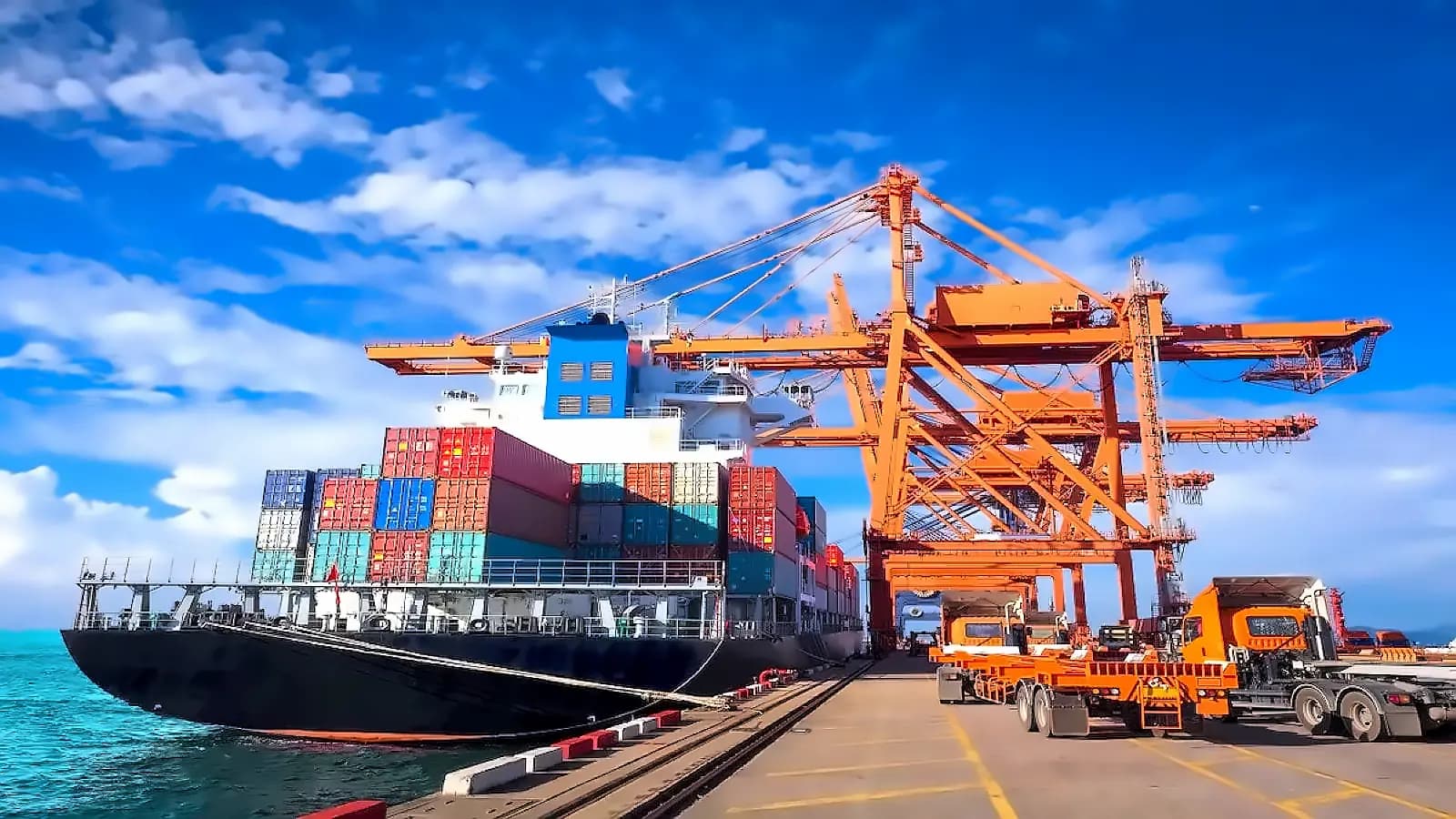
The export surge was particularly strong in key manufacturing sectors, with automobile exports surging 43% year-on-year in August and semiconductor shipments soaring nearly 130%, as reported by Reuters. Exports to Southeast Asia increased 30.2%, while shipments to Latin America rose 17.5% and those to the European Union gained 6.6%. Electric vehicles, industrial machinery and semiconductor products have become increasingly important contributors to China's global exports. China's export strength has helped offset weakness in domestic consumption and investment following a prolonged property-sector downturn, with the country increasingly relying on higher-value products to drive overseas shipments. The strong demand for automobiles and high-tech goods reflects the broader AI infrastructure boom driving global trade.
Despite strong trade data, Chinese equities showed mixed performance with energy stocks leading gains while technology and consumer-related sectors faced pressure. According to Business Standard, energy stocks performed well with PetroChina, CNOOC and China Petroleum & Chemical gaining 2.54%, 3.83% and 4.10% respectively. In contrast, CATL, Suzhou Dongshan Precision and Hangzhou Hikvision Digital Technology declined 3.65%, 2.17% and 3.50% respectively. The divergent performance reflects sector-specific dynamics amid the broader trade expansion, with energy companies benefiting from strong export momentum while technology and consumer-facing sectors faced headwinds from trade tensions.
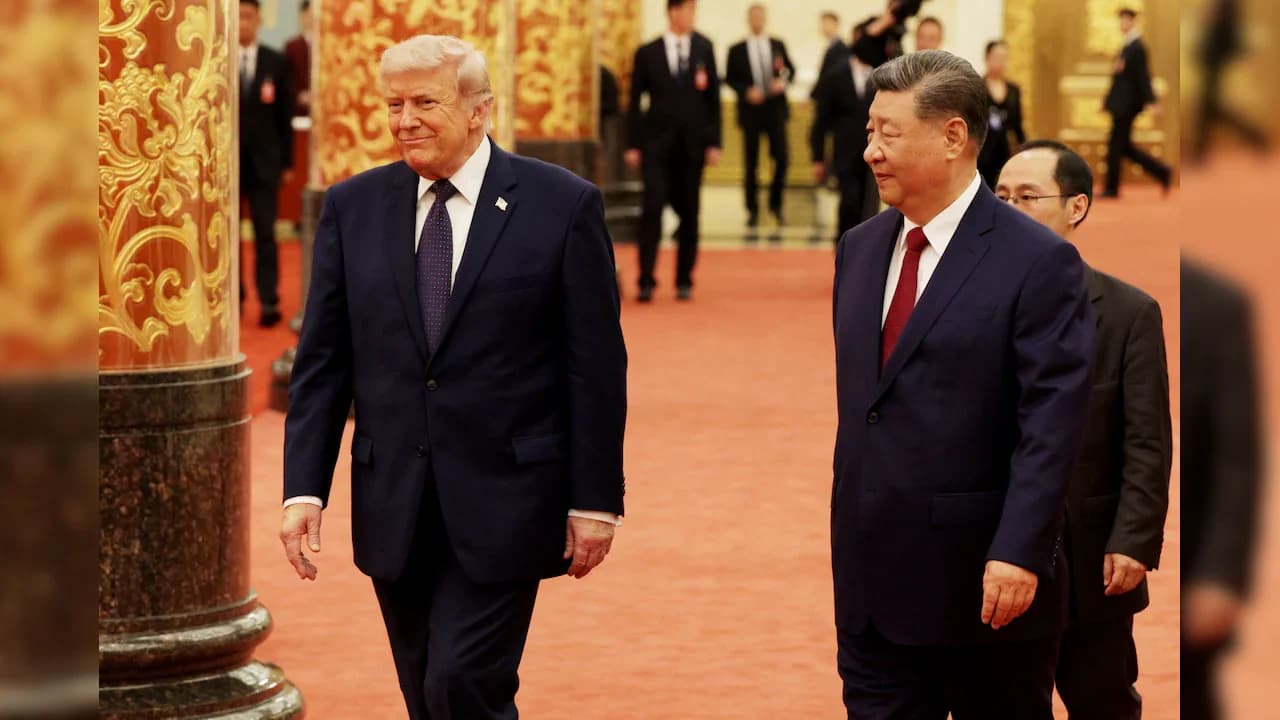
The strong export performance is creating significant tensions with trade partners, particularly the United States, which is intensifying its rhetoric against China. As reported by Reuters, trade is expected to be a key issue in the upcoming discussions between Xi Jinping and Trump, though Beijing has yet to confirm the exact date for the visit. The two nations have maintained a delicate tariff truce that is set to expire in November unless it is renewed. The widening trade surplus, however, is likely to remain a source of friction with major trading partners, with China's trade surplus reaching a record $1.2 trillion last year, prompting concerns in the US and Europe about global trade imbalances. Reuters reported that China's ability to redirect exports toward Southeast Asia, Latin America and other markets has helped cushion the impact of higher US tariffs, but tensions with Washington and Brussels could intensify if China's trade surplus continues to expand.