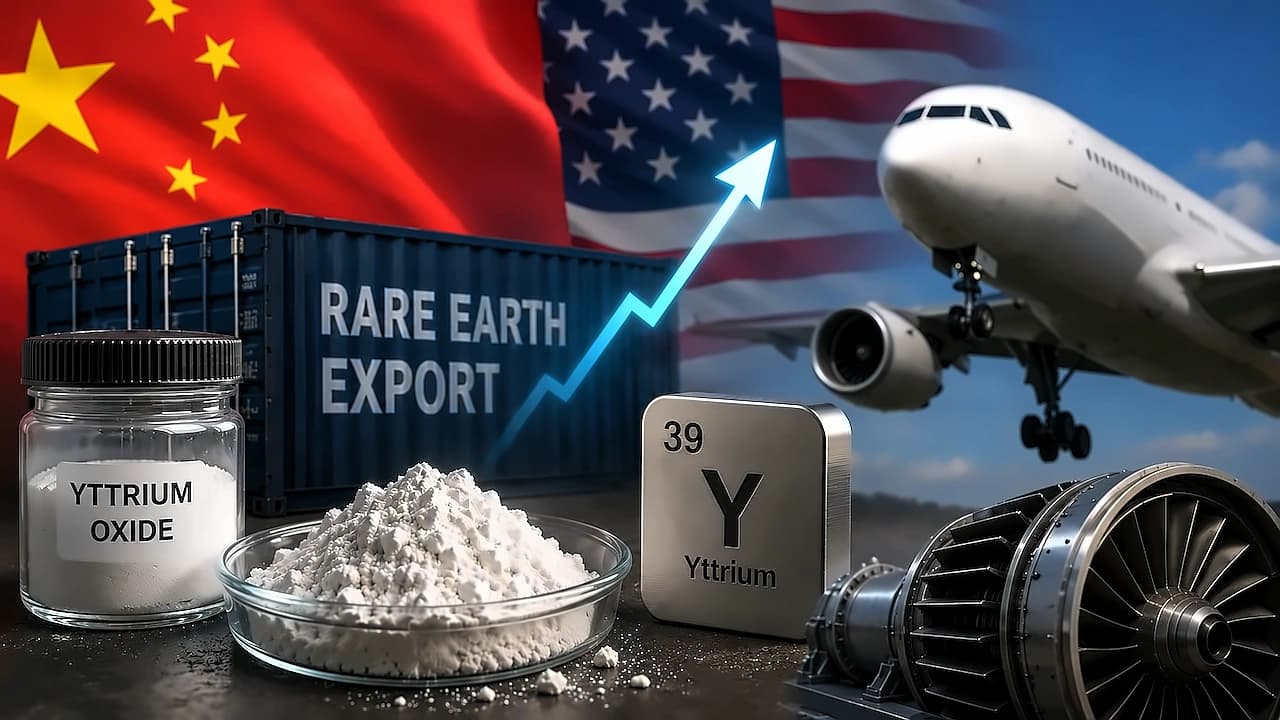
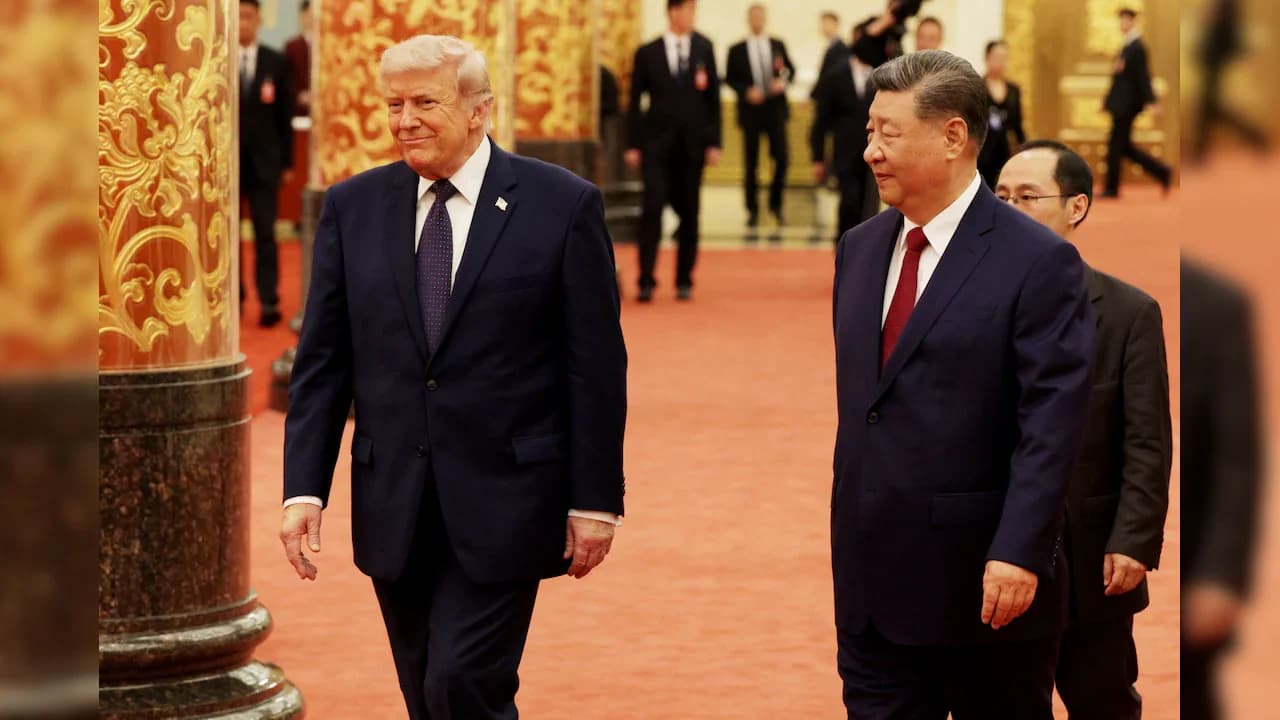
China shipped 29 metric tons of yttrium oxide to the United States in July, marking the second-highest monthly volume since Beijing imposed export controls on several rare earths in April 2025, according to Chinese customs data released Thursday. The increase in shipments provides some relief to U.S. aerospace manufacturers who rely on the material for engine components and high-temperature coatings in aircraft applications. As reported by Investing.com, the exports come ahead of Chinese President Xi Jinping's planned visit to the White House for trade discussions in September.
Yttrium is used in specialty alloys for aircraft engines and in coatings that protect components from extreme heat. China controls the majority of global rare earth production and has previously used export restrictions as a diplomatic tool, first limiting rare earth exports in April 2025 and raising concerns about supply shortages. The country's strategic control over rare earth supply chains gives Beijing significant influence over global supply chains, with the latest shipments potentially easing supply pressure on American aerospace companies that rely on the rare earth for critical applications.
While exports to the US have increased, China maintains tight restrictions on shipments to Japan. The country has largely cut off exports of yttrium, terbium, gallium and dysprosium to Japan since November, following remarks by Japanese Prime Minister Sanae Takaichi regarding Taiwan that led to diplomatic tensions. July marked the ninth consecutive month without dysprosium oxide exports to Japan and the eighth month without terbium oxide shipments to the country. Both materials are used in small quantities to produce high-performance magnets, with Beijing citing national security concerns and Japan's alleged 're-militarization' as reasons for the restrictions.
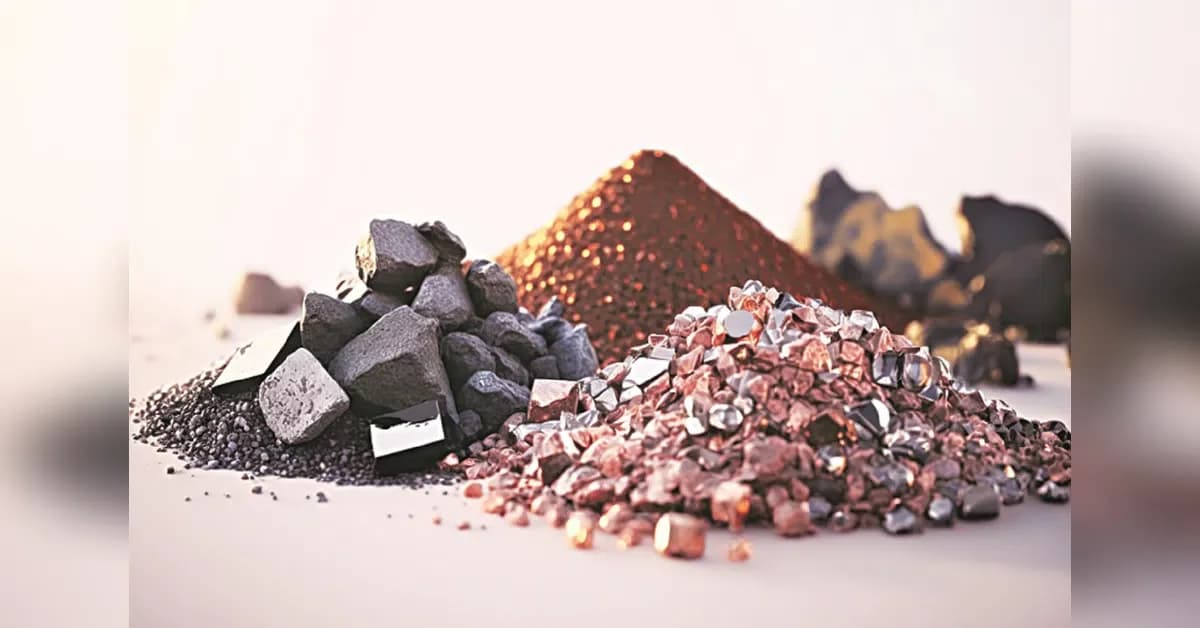
The Trump administration is backing domestic mineral development with $500 million in grants to seven companies building lithium, cobalt and other battery projects, according to a Reuters report. The funding comes weeks after President Trump outlined goals to make the U.S. the "minerals superpower of the world" and reduce reliance on market leader China. Lilac Solutions will receive $100 million for a direct lithium extraction facility on Utah's Great Salt Lake, expected to open by 2028 and produce 5,000 metric tons per year of lithium carbonate. Jervois, controlling a large cobalt deposit in Idaho, will receive $100 million to build the country's only cobalt refinery, while Nth Cycle gets $100 million for battery recycling facilities.